Armine
-
Posts
178 -
Joined
-
Last visited
Content Type
Profiles
Forums
Events
Gallery
Everything posted by Armine
-
http://www.forbes.com/2009/09/04/turkey-ar...ydintasbas.html Turkey And Armenia Asli Aydintasbas, 09.04.09, 1:37 PM ET On television they look just like my people--cynical, gloomy and forever complaining. I am talking about Armenians--street interviews with residents of Yerevan, Armenia's capital, who sound just as skeptical as Turks about this week's sudden announcement by the two neighbors to "normalize" relations. That normalcy, of course, is arriving about a century after the two peoples faced each other in a brutal civil war. Hundreds of thousands of Armenian citizens of the Ottoman Empire were deported and massacred in 1915 in what is now eastern Turkey, in a period of turmoil and violence that Armenians call "genocide" and Turks insist was "killing by both sides." Anatolia was "ethnically cleansed" of its Armenian heritage early last century, but the ghosts of unspeakable deeds have never quite left the crime scene. Since the founding of modern Turkey in 1923 by Mustafa Kemal Ataturk, Turks have been grappling with "the Armenian issue" one way or another, facing in recent years an ever-widening international campaign to recognize and condemn. For Turks and Armenians, the issue has always been semantics--whether or not to use the g-word in describing 1915. The majority of Turks believe, and were taught in school, that the killings were not officially sanctioned and do not amount to genocide. To Armenians on the other hand, 1915 is what the Holocaust is to Jews--the single most defining moment in establishing a national identity and a nation-state. So it made great sense this week for the official announcement to avoid the question of genocide altogether. Similarly left out was the issue of Nagorno-Karabakh, a disputed enclave that Armenians seized from Turkey's close ally Azerbaijan. The tentative, timid, American- and Swiss-mediated plan calls for opening the border, starting diplomatic relations and, more importantly, establishing a joint "history commission" to study the events of 1915. But the two protocols signed on Monday still need to be ratified by each country's parliament after a period of review--and that, surely, will not be easy. Already, opposition leaders in both countries are crying foul. Armenian opposition has taken to the streets in protests. Here in Turkey, "We will never vote for the protocols," said Deniz Baykal, Turkey's chief naysayer and the leader of its social democrats. In a country of rising nationalism, still harsher comments are pouring into my Inbox for supporting the initiative in my column in a Turkish daily. The problem is, although neighbors, Turks and Armenians have practically no reference point about each other except decades of resentment and hate-talk. The border has been sealed for 15 years, and there was practically no communication between the two nations during the period of the Soviet empire. Here, the Armenian culture has been erased from the face of modern Turkey, so much so that most ordinary Turks of my generation would be shocked to hear that some of our popular dishes are Armenian, that there are town-names derived from Armenian words or even that some Turks have Armenian ancestors going back to orphans of 1915. In Armenia, there may be more cultural familiarity, with many Armenians still speaking Turkish and carrying out traditions from mainland Anatolia. But in modern Armenia's national ethos, Turks and Turkey have been demonized for so long that it is difficult to one day wake up and accept a peace deal. So live Turks and Armenians, side by side, enslaved by their governments' poisonous rhetoric for decades, unable to bond, to touch, or even hear each other. Although a shock to the system, the decision to "normalize" relations is the right one. The economic and international benefits for both sides are immense. But more than that, uniting with the despised sibling would start to fill that big gaping hole that both nations have lived with. It takes baby steps, a personal encounter, a visit or maybe a popular word or song to break the ice. That has not happened so far, but there now is a chance. A chance, that is, if Turks and Armenians are willing to take it. They can grow tall and big, if willing to take the hand stretched out. Or they can do business as usual. That is, hate and resent and curse and cry. Asli Aydintasbas is an Istanbul-based journalist and a columnist for the Turkish daily Aksam.
-
The feeling is mutal...No words are neccessay, just a look in your eyes tell me all enger. Thank you
-
Em Jan shnorhakalem jerm jerm tsankutyunerit hamar.
-
Anchap shnorhakal em Yervant Yeghpayr!
-
Sayat Nova - by Meschian
-
A detour from the original question but still relevant why do we see the letter Է in churches or on church walls outside??? from what I know it is because God is considered the " Eyak," is that correct?
-
Shnorhavor Borlori Taredartse.... Kyankum linek misht AROKHJ linek misht URAKH Togh votch vok che portsi dzez harvatsel, bayts hankarts te patahi inchpes asume e mer Meschiane.... togh mi pah tsntan bayts do zarget pahi galik marterin u nayi heru. Dzer tsave tanem tanem... dzer tsave tanem!!! Armine
-
It has come to light that, contrary to their public statements of being good corporate citizens and champions of human rights, six American and British mega-corporations have been secretly lobbying the United States Congress not to recognize the Armenian Genocide. Make your voice heard today and sign the petition by visiting the following link! http://www.centerar.org/petition/
-
 The Malta Documents - Continuity between CUP and the Turkish Republic By Sait Çetinoğlu, Turkey, 15 July 2009 Sait Çetinoğlu is a Turkish scholar. His interests include The Young Turks, CUP and Kemalism. He has published many original articles based on research of the National Archives in Turkey. His book Economic and cultural genocide 1942-1944 will soon be published in İstanbul. The following is the English version of the preface of the book Malta Documents published by Vartkes Yeghiayan in Turkish. It was forwarded to Keghart.com by the author along with a copy of the photo of the Malta Exiles. Sait Çetinoğlu's gesture is much appreciated and the material is being posted for the general public with minor editorial changes. The Malta documents undoubtedly constitute one of the most revealing records about the Armenian Genocide, which is one of the most important episodes of our recent history; yet it is a reality, which we do not want to look into. To reveal the truth about 1915 is, in fact, tantamount to decode the secrets of the foundation of the Republic of Turkey. It is for this reason that the period 1915 to 1923, the date of the foundation of the Turkish Republic, is the most difficult to research due to legal obstacles. Malta documents are the most significant ones that shed light on this period of transition. These documents give us the accounts of what 150 Ottoman government authorities and civil servants did during WWI. It is also the story of the annihilation of a people under the isolated conditions of war and seizure of their property, the story of how a new commercial bourgeoisie and a bureaucratic bourgeoisie flourished on the usurped riches of this people. The accounts of the witnesses and the victims that can be found in these documents also serve a moral lesson for us. Here we can find the clues to the hidden truths of the foundation of the Republic of Turkey, and this is the reason why so much effort is made to leave the events of 1915 to oblivion. Hence, these documents explain why Turkey would never recognize the Armenian Genocide. They also tell the story of a continuity from the Committee of Progress and Union Committee (CUP) to the Republic of Turkey, the historical roots of today’s secret operations and the corruption of the state apparatus in Turkey. To be a Malta exile was almost a privilege, as they were never called ”prisoner” and they themselves preferred to be called ”exiles”. Reading their memoirs, one can clearly see that they did not lead a life of an inmate. The description of the daily life in Malta in the memoirs of Kuşçubaşı Eşref is one of a luxury. Many Malta inmates were able to escape very easily, because they were allowed to escape. Many of the Malta exiles were appointed to key governmental positions after their sentence was over. When we track down the family trees of the Malta exiles in the documents we can see who the real owners of the state apparatus were. Four of the 50 key governors whose biographies are published by the Ministry of Interior were former Malta exiles, in addition to many others whose children and grandchildren later became high-level government officials. The Malta documents provide us the story of the tragedy of a people, the story of how the fate of the Armenian people was sacrificed to the considerations of realpolitik. They are a manifestation of the immorality of the great powers, a lesson demonstrating how human rights were sacrificed for imperial interests and an unprecedented example of a crime going unpunished. They describe how the crime of genocide was rewarded by impunity and how the way to new genocides was paved. In fact, Hitler in 1939 expressed very clearly the encouraging nature of this tragedy. What happened in Algeria, Anfal, Bosnia, Rwanda, Kosovo and the atrocities in Darfur or Iraq today are all the outcome of such impunity. Among others, Great Britain’s policy of ”neutrality”, first adopted on the 16th of March 1921 - the date when GB recognized the Ankara government as a buffer against the Soviet Union and continued since then - was responsible for the genocide to be left to oblivion just for the sake of imperial interests. Armenian people were thus twice victimized, first by being subjected to genocide with the encouragement of an imperialist country, i.e. German, and then by the fact that the perpetrators of the genocide were rewarded instead of being punished, thanks to the interests of another imperialist country, this time Great Britain. In order to track down the Malta exiles we studied the biographies of administrative and military authorities. We couldn’t make use of any documents published by the General Staff as the biographies of the Liberation War commanders lacked any record about their places of service during 1915-1917. It was observed that the life stories of the government officials positioned in deportation areas were very interesting as they indicated clearly that the personnel records of kaymakams and mutasarrıfs 1 determined the future career of these officials. Those who disapproved the practices lost their lives, as was the case with Ali Sabit Es-Süveydi, the deputy Kaymakam in Beşiri (a district annexed to the vilayet of Diarbekir), Nesim Bey, the Kaymakam of Lice and the Kaymakam of Derik. It was found in the official records of Ahmet Ferid, the Kaymakam of Foça, that he was removed from office as punishment for saving the lives of the Greeks of Foça by helping them to flee to the island of Lesbos. Some of the officials who were punished by removal only from office felt so insecure afterwards that they had to leave the country. Our work on the personnel records of the government officials who served in the deportation areas revealed that some of these people fell victim to unsolved murders and no record could be found about the details of such murders.For example, the personnel records of Mustafa Hilmi, the Mutasarrıf of Mardin and Ali Fehmi Bey, a member of the Transportation Committee set up within the Directorate of Immigration and Resettlement in Akşehir, it was stated that neither the reason for these persons’ murder nor the murderers could be identified. There were annotations in some of the personnel records of those officials who were later murdered indicating that the murderers were the Armenian “komitaci”s 2. For instance Nabi Bey, who served in the police department of Konya and who was in hiding in Kars for two years as a Genocide suspect was killed by the Armenian activists in 1921. However, most of the government officials who served during the deportations and whose names appeared in the Malta documents were rewarded afterwards by higher positions in the state apparatus. It’s also not surprising to find that those government officials who were implicated in the Genocide were the ones who first joined the “National Struggle” leading to the foundation of the Republic. Of these, the governors of Bitlis, Mazhar Müfit (Kansu), and Van, Haydar Hilmi (Vaner), as well as Halis Turgut, Deli Halit *****, General Pertev Demirhan, Sarı Edip Efe, Ardahan deputy Hilmi are the most common names that are known. On the other hand, some of the government officials referred to in the Malta Documents could not be tracked down due to lack of any records. Genocide perpetrators such as Salih Zeki, the Kaymakam of Develi in 1915 who was appointed as the Mutasarrıf of Deyr-Zor in 1916 and Mustafa Asım, the Kaymakam of Harput in 1914, of Akçadağ in 1915 and of Of in 1918 were the ones who used the usurped Armenian property for escaping from prosecution successfully. The Family Name Law, requiring every Turkish citizen to adopt a family name in a western style, helped the criminals in covering up their identities and thus avoiding punishment. The reappearance of Veli Necdet in the 1930’s in Ankara as the Chairman of Ankara Chamber of Commerce with the family name of Sünkıtay, after serving as the Head of the Diyarbakır Post Office in 1915 and the death of Memduh Sermet, the Governor of Musul in 1915, in a road accident while he was travelling to Izmir to start a business, are only two of very meaningful cases in this respect. The Bolu deputy Habip became a reputable merchandiser in the Republican period, widely known as the “bulghur 3 tycoon”. The fact that many of these suspects later became businessmen with close business ties with each other can also be seen as a revealing detail of the recent history of Turkey, and the Family Name Law helped them a lot in succeeding to cover up their identities. Mehmet the Pharmacist, who later became to be known as Mehmet Eczacıbaşı, the starter of the biggest holdings in today’s Turkey, is a striking example of Turkish businessmen who owe their wealth to usurped non-Muslim property. This is the origin of the common saying in Turkish, the “tehcir zenginleri”, or the “barons of deportation” and marks the truth about the Anatolia being a paradise of barons of deportation. It is also not a coincidence that the heads of administrative bodies in places where deported Armenians were resettled, and government officials serving at local branches of General Directorate for Settlement of Immigrants and Tribes (Muhacirin ve Aşairin Umum Müdürlüğü) (GDSIT), political departments of public security directorates and food supply offices were the first to join the armed forces of the Turkish national liberation movement. They were appointed to these positions by the CUP on special mission. For example Ahmet Nazif Göker from the Ministry of Food Supplies, Mustafa Maruf and Ahmet Faik Üstün were among the first who joined the armed branches of the liberation movement. Here are some further examples to how the former CUP members were rewarded with reputable positions in the society: Ahmet Faik Günday, the Mutasarrıf of Malatya and elder brother of Ziya Hurşit was appointed as the deputy of Ordu. İbrahim Zağra, the Edirne Mayor and Head of Resettlement Department and also one of the founders of the Teceddüt Party founded by former CUP leaders, was to serve for long years as the Edirne Mayor and Chairman of the Edirne Chamber of Commerce. Mehmet Şükrü Yaşin who served as the Kaymakam of Midyat, Malatya and Trablusşam between the years 1914-17 was later appointed as the deputy of Çanakkale. Ahmet Esat Uras who was the head of the local Intelligence Service and the deputy head of Political Affairs was first appointed as the Director of Public Security, then as the Governor, then member of Turkish History Institution and member of the Parliament. Ali Haydar Yuluğ, the deputy head of the local branch of GDSIT, took over the position of Ankara Mayor and Ali Rıza Ceylan, the head of Post Office in Van and Bitlis and M. Kadri Necip Uçok, the head of the Post Office of Sivas and the Mutasarrıf of Palu and Mardin served as governors of various provinces. Mehmet Ata, who served in the years of deportation at the Sivas Post Office and Mutasarrıf of Yozgat was appointed as a member of the parliament and the Minister of Interior. There are many more examples, such as İsmail Sefa Özler, İsmail Müştak Mayokam, Mehmet Vehbi Bolak, Mehmet Fuat Carım, Ömer Adil Tiğrel and Mehmet Fehmi Alta. Those who were being sought after for implication in the Genocide were also among the first to join the national movement. Among these the first to remember are, Mahzar Müfit, Haydar Vaner, Arslan Toğuzata (police chief from Trablusşam), Abdurrahman Şeref Uluğ from Diyarbakır, Hüseyin Tahir Güvendiren, Halil Rifat Şabanoğlu, Rüştü Bozkurt, Ali Şuuri, the deputy of Eskişehir and Şarkikarahisar, Mahzar Germen, Tevfik Rüştü Aras, Refik Saydam, Memduh Şevket Esendal, Yenibahçeli Nail, Şükrü Saracoğlu and Hüseyin Aziz (Akyürek), a member of CUP Central Commitee and who was known to be one of the planners of the Genocide. It was not an irony at all when two of the Malta convicts Haci Adil Bey was accepted to the Istanbul Faculty of Law and M. Reşat Mimaroğlu, a police chief, was appointed as the President of the Council of State, as this is a routine in Turkey where a leader of the military coup in 1980 was later rewarded as an honourary professor in the same faculty and a police chief was appointed as the Minister of Justice. Furthermore, there were Malta convicts who were put on the government payroll and were paid civil servant salaries for their "services to the fatherland”. We came accross their names in the ”Ç Chart” of the 1955 government budget records. Among them were Nusret, the Mutasarrıf of Urfa, who was executed for his crimes during the Genocide, Kemal, the Kaymakam of Boğazlayan who was referred to as being a ”National Martyr”, Yahya Kaptan who ”fell martyr” while serving as the Commander of the Gebze area, the former Minister of the Navy General Ahmet Cemal, the former Sadrazam Talat, the former Governor of Diyarbakır Reşit, Şeyhülislam 4 Hayri, Ziya Gökalp, the deceased artillary major Rıza, the deputy of Kırşehir Mehmet Rıza Silsüpür (Keskinli Rıza), the deputy of Edirne Faik Kaltakıran, the deputy of Gaziantep Ali Cenani, the deputy of Istanbul Numan Ustalar, the deputy of Muş İlyas Sami, governor of Bitlis Mazhar Müfit Kansu, the Governor and the deputy of Van Hayder Vaner, Fevzi Pirinççioğlu, Arslan Toğuzata, Rüştü Bozkurt, Hacı Bedir, Mazhar Germen, Süleyman Sırrı İçöz, Rauf Orbay, Eyüp Sabri Akgöl and Bekir Sami Kunduh. Popular historian Murat Bardakçı wrote: ”As a matter of fact, Atatürk’s position on the Armenian question is clearly manifested in the way he gave away the [Armenian] property. He put the families of the persons murdered by Armenians on very high salaries and he personally signed the instructions for the transfer of seized Armenian property to these persons. Wife of Talat ***** was receiving the salary for ’services to the fatherland’ which was the highest. The same applied to the wives of Central Commitee members and those of the key members of the Special Organisation (Teşkilat-ı Mahsusa). The highest level of salary was assigned to Mahpeyker Hanim, the daughter of Enver *****.” The Malta exiles were rewarded with top level government positions. Some were appointed as Prime Minister, others as ministers or governors or members of parliament, and the like. Two of the Malta exiles, Ali Fethi Okyar and Rauf Orbay served as Prime Ministers. Others, Fevzi Pirinçioğlu, Şükrü Kaya, Abdülhalik Renda, M. Şeref Aykut, Ali Seyit, Ali Cenani, Ali Çetinkaya were appointed as cabinet members. Many of the Malta exiles later became governors or generals in the army. Also, on their return to Anatolia, there were a number of former Malta exiles who were placed in the parliament as deputies. Not only Malta exiles played a direct role in the foundation of the Republic, but also their children and grandchildren continued to serve in important government positions up to this date. Sons of two Malta exiles sat in the Inönü’s ”restoration” cabinet set up after the military coup of 27th May 1960. Celalettin Uzer, the Minister of Development and Housing in the Inönü Cabinet, was the son of Hasan Tahsin Uzer, who was Enver’s nephew and Vefik Pirinççioğlu, the State Minister in the same cabinet, was the son of Fevzi Pirinççioğlu, who was Ziya Gökalp’s nephew. It’s interesting to see that the grandfather was one of the key figures of the 1895 massacres, the son was one of the founders of the Republic, and the grandson a member of the ”restoration” cabinet. Enver’s brother-in-law Kazım Orbay was the Chief of General Staff between the years 1944-46 and the Speaker at the Restoration Parliament set up after the 1960 military take-over. General Fahri Özdilek, a member of the Special Organisation and an assistant to the well-known Special Organisation commander Fuat Bulca, was one of the organisers of the 27th May 1960 coup and was appointed as a Senator at the Restoration Parliament. Suat Hayri Ürgüplü one of the Prime Ministers of the ’intermediary regime” and also a former minister, was the son of the Şeyhülislam Hayri Efendi and thus one of the symbols of the continuity between the CUP and the Republic. We believe the reader will find many of those names referred to in the section about Diyarbakır very familiar. As a preamble, let us only point out that the Aksus and the Göksus are two families closely related to each other and Hacı Bedir Ağa’s grandchildren sit in today’s parliament as deputies. Furthermore, many Malta exiles and the founders of the Republic had common ancestry. For Süleyman Nazif, Pirinççioğlu, Gökalp and Germens were relatives. So were Tahsin Uzer, Enver, Cevdet and Kazım Orbay. Ubeydullah Efendi was Mahmut Esat Bozkurt’s uncle, Hüseyin Tosun was Dr. Reşit’s brother and Abdulhalik Renda was Talat’s brother-in-law. Also many Malta exiles were classmates, revealing the fact that they were from common social backgrounds. In short the Malta documents offer us the evidences of the continuity between the CUP and the Republic, where we can trace back the roots of the Genocide. 1 In the Ottoman Empire, a mutasarrıf was the governor of a district. This administrative unit was part of a vilayet (province), administered by a vali, and contained nahiye (communes), each administered by a kaymakam. 2 Komitacı - A derogatory Turkish word for a member of an armed Armenian organisation. 3 Bulghur: a form of wheat that has been parboiled, cracked, and dried 4 Şeyhülislam: the supreme religious authority in the Ottoman Empire
-
TURKISH ASSOCIATION APPEALS LANDMARK MASSACHUSETTS COURT RULING Turkish Denial Campaign Continues in California Washington, DC - Last month, the Armenian Assembly of America (Assembly) reported that Turkey's ongoing global campaign to suppress the truth about the Armenian Genocide was dealt a major blow in a U.S. District Court. Chief Judge Mark Wolf issued a ruling in favor of the Massachusetts Department of Education (Department), which allows the Department to continue teaching the facts of the Armenian Genocide, and other crimes against humanity, in public schools across the Commonwealth, as constitutionally protected government speech. Shortly after this landmark decision, as part of an ongoing campaign to derail human rights education, the Assembly of Turkish American Associations (ATAA) indicated, through a June 23 letter to the editor of the Boston Globe from its attorney Harry Silverglate, that it intended to appeal Chief Judge Wolf's decision in the case of Griswold v Driscoll. The appeal was officially filed on July 13, in U.S. District Court in Massachusetts. "The Armenian Assembly appreciates the court's ruling in the matter and will work to ensure that it is sustained on appeal. This decision clearly demonstrates to Turkey and its revisionist allies that history cannot be rewritten to further Ankara's state-sponsored denial campaign," said Assembly Board of Trustees Chairman Hirair Hovnanian. Carolyn Mugar, the Board's President, added, "Given the overwhelming historical and legal evidence documenting the incontestable fact of the Armenian Genocide, this ruling is a victory for all those concerned about genocide education and prevention." When this suit was initiated four years ago, the Assembly immediately responded by hiring one of the nation's preeminent First Amendment expert, Duke University Professor Irwin Chemerinsky, and co-counsel Arnold Rosenfeld of the firm K&L Gates LLP. Throughout this process, the Assembly, along with others, challenged the ATAA at every turn by filing a series of pleadings including an amicus curiae (friend of the court) brief. The brief was intended to assist the Court in bringing the case to a conclusion in favor of the Commonwealth. Assembly's Board Vice-Chair and Counselor Robert A. Kaloosdian chaired the committee that responded to the lawsuit: "Through the federal court's ruling, the Griswold case rejected ATAA's attempt to require the Commonwealth of Massachusetts Board of Education to insert 'contra-genocide' citations into its curriculum guide. Judge Wolf wrote in his decision that 'plaintiffs do not have a right to receive contra-genocide information in the classroom.' In addition he wrote that 'the curriculum guide required defendants to include materials concerning the 'Armenian Genocide.'" "I expect ATAA's latest attempt to thwart history and stifle education to be rejected on appeal," said Rosenfeld. "It is a constitutionally significant legal victory that Chief Judge Mark Wolf of the U.S. District Court in Massachusetts reaffirmed the First Amendment right of the Commonwealth of Massachusetts to present the unfettered truth about the Armenian Genocide to its students. Hopefully, this important ruling will succeed in conveying the horrors of the international crime of genocide to those who did not bear witness themselves and will lead to a public outcry that will not tolerate similar illegal acts intended to destroy national, ethnical, racial or religious groups." Van Krikorian, Assembly Board of Trustees Member and Counselor, who along with Rosenfeld, prepared and presented the amicus brief before Judge Wolf, argued that if the court accepted the ATAA's claims, it would open the door for any extremist group, such as Holocaust deniers, to challenge curriculum matters in court. "This ruling sends a message not only to the ATAA, but also to others who may seek to distort history," said Krikorian. "This was certainly a direct blow to ATAA's plan to get a favorable ruling here and then repeat the tactic in every school district across the country. The court's decision cuts them off, destroys that plan and protects the Commonwealth of Massachusetts' Department of Education from being subject to manipulation from a genocide denialist organization, which is carrying out its campaign of dishonesty from coast to coast," added Krikorian. ATAA Threatens to Oppose Human Rights Education and Passage of California Genocide Awareness Act Handing the ATAA and its allies another defeat in its nationwide denalist campaign, on July 8, the California Senate Education Committee unanimously passed Senate Bill 234, the "Genocide Awareness Act," which requires the California Curriculum Commission to include an oral history component related to genocides as part of its high school curriculum, including the Armenian Genocide. At the California Senate Education Committee public hearing, the ATAA and Armenian Genocide denier Bruce Fein testified against the passage of the Genocide Awareness Act. He also questioned whether the mistreatment of the Armenians, and the parallel cases in Cambodia and Darfur were genocide, despite the fact that the California legislature has repeatedly recognized and annually commemorated the Armenian Genocide since 1968. The Assembly was an early proponent of SB 234, and is on record supporting its passage. Recently, the ATAA escalated its longstanding strategy of harassment by making the Southern Poverty Law Center (SPLC) the target of a defamation suit brought by Guenter Lewy, a former professor at the University of Massachusetts, who is being supported in the lawsuit by the so-called Turkish American Legal Defense Fund. The Southern Poverty Law Center was founded in 1971, as a civil rights law firm combating racism and prejudice in the U.S. In 1991, the SPLC established Teaching Tolerance, an educational program to help K-12 teachers foster respect and understanding in the classroom. Teaching Tolerance is now one of the nation's leading providers of anti-bias resources. The lawsuit follows the publishing of an article entitled "State of Denial" in which the SPLC criticized several academics, among them Lewy, stating, "Revisionist historians who conjure doubt about the Armenian genocide and are paid by the Turkish government provided politicians with the intellectual cover they needed to claim they were refusing to dictate history rather than caving in to a foreign government's present-day interests." It is of note that Lewy is represented by attorneys Bruce Fein and David Saltzman, of Saltzman & Evinch, P.C. Saltzman's partner, Gunay Evinch, is the President of the ATAA. Established in 1972, the Armenian Assembly of America is the largest Washington-based nationwide organization promoting public understanding and awareness of Armenian issues. The Assembly is a 501© (3) tax-exempt membership organization.
-
http://hetq.am/en/politics/artsakh-29/ “Armenian-Turkish Relations and Artsakh” Conference in Stepanakert [ 2009/07/10 | 11:50 ] Nagorno Karabakh politics Anahit Danielyan hamajoxoviA two day conference entitled “Armenian-Turkish Relations and the Artsakh Issue” was held today in Stepanakert. NKR President Bako Sahakyan addressed the summit organized by the ARF and the “Pyunik Foundation”. Archbishop Bargev Martirosyan, Primate of the Artsakh Diocese, welcomed the attendees and offered the opening benediction. Some 130 participants from twenty-five countries have traveled to Artsakh to attend. In his remarks, President Sahakyan stressed that any decision reached without the participation of the NKR is unacceptable and will never be implemented. Below are several of the more noteworthy excerpts of President Sahakyan’s address: Our position has been is clear-cut and unchangeable. The independence of the Nagorno-Karabakh Republic is an accomplished fact and is not is not a subject to discussions. Any attempt to present the Nagorno-Karabakh Republic within the framework of Azerbaijani territorial integrity is both incomprehensible and unacceptable for us. This neglects natural development of history and life, as well as contradicts the realities of the past. Since the proclamation of independence we have stood behind the path of our choice, successfully defending the borders of Artsakh, building and strengthening our state, efficiently overcoming difficulties on the way of recreating and developing the country. As the result the world has got convinced that it deals with a full-fledged state and society, which has all the necessary attributes of statehood, embarked on the path of democracy. For this very reason we do not consider the restoration of the full-fledged negotiation format as an additional pretext to remind us about our existence because this format is indeed a deficient one. Artsakh, being the main party to the Azerbaijani-Karabakh conflict, is now out of the negotiations and we should restore this important principle. Without the consent of the people of the Nagorno-Karabakh Republic any decision will be impossible to implement.
-
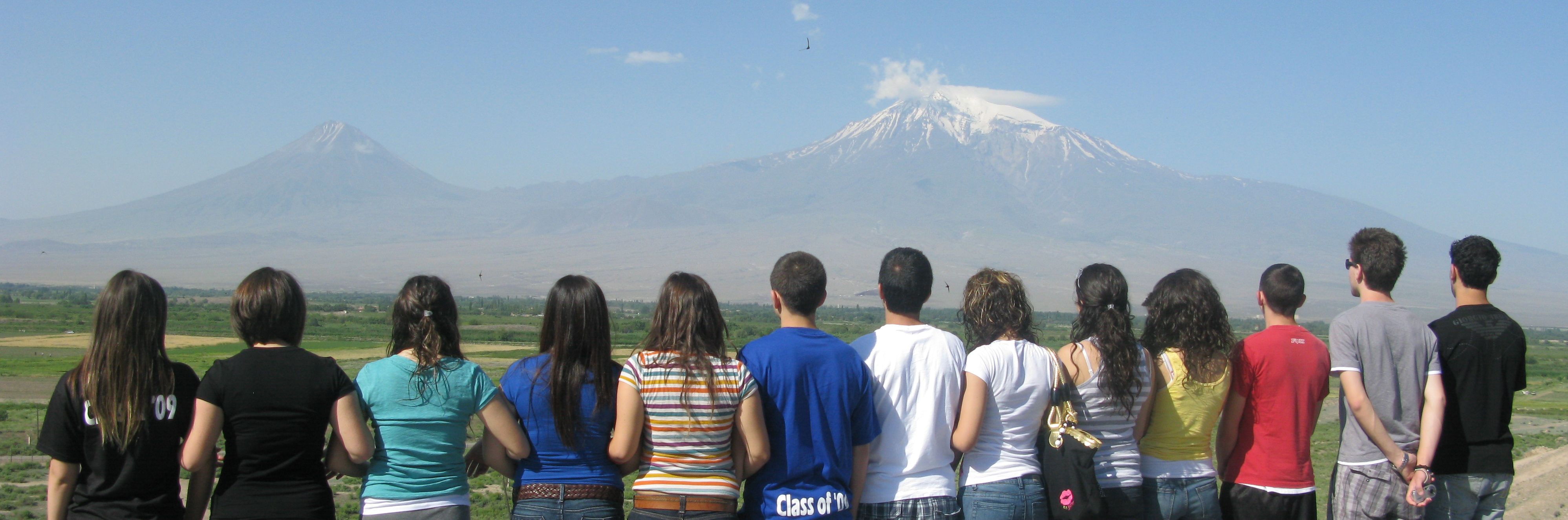
Ես Մասիսը Չտեսայ Ճրագի պէս ճաճանչող աչքս յառած միշտ հեռուն՝ Սպասեցի տարիներ ու Մասիսը չտեսայ... Դալուկ աշուն է արդեն եւ աչքերուս կ՝իջնէ քուն. Դեռ Մասիսը չտեսայ... Ես շառաւիղ Հայկազեանց, հայու ժպիտ, հայու լաց, Մասեաց որդի հարազատ՝ ես Մասիսը չտեսայ. Իր կարօտով տոչորուն եւ իր կանչով արբեցած՛ Ես Մասիսը չտեսայ... Գիտեմ որ ան հիմա կայ, երկնասլաց լոյս գագաթ, Ես ի՛նչ տեսայ աշխարհէն, երբ Մասիսը չտեսայ. Կեանքս ցնորք ու փոշԻ իր յաւերժին դէմ անյաղթ, Ես Մասիսը չտեսայ... Զայն կը գրկէ ամէն ժամ եւ կը շնչէ իմ հոգիս, Բայց ո՛չ մէկ օր բաց աչքով ես Մասիսը չսեսայ. Կախարդական առասպել եւ հորիզոն աշխարհիս՝ Ես Մասիսը չտեսայ... Օտարի աչքն անտարբեր եւ դարաւոր թշնամինկ Զայն կը դիտէ օրն Ի բուն — ես Մասիսը չտեսայ, Որքա՜ն նայուածք ամբարիշտ յառեզաւ իր ճակատին, Ես Մասիսը չտեսայ... Դեռ քանի՝ օր ու տարի պիտի քայլեմ ես այսպես... Մութ է ճամբան պանդուխտի — ես Մասիսը չտեսայ. Ինչպէ՝ս աչքերս փակեմ, երբ որ, ո՝վ ման, զիս կանչես, Ես Մասիսը չտեսայ...
-
Յիշեցէք Զիս Պիտի բախեմ, պիտի բախեմ այս գիշեր Երազներու դուռը փակ Որ պահ մը գէթ ձեր խիղճերուն հեշտասէր Խորունկ քունեն արթննաք։ Չէ՛ք ճանաչնար զիս, ես այն մանչուկն եմ սիրուն, Որ յոգնասպառ, կիսամերկ, Անապատին մէջ Տէր Զօրի մտաւ քուն Եւ չարթնցաւ ալ երբեք։ Մի՛ սարսա’իք կմախակերպ իմ տեսքէս, Յող չեմ մտած ես բնաւ, Կը շրջէի դիակներու մէջ ա՛յսպես Միշտ անօթԻ ու ծարաւ... Սովի փուքէն փորս դարձած էր արդէն Ուռած թմբուկ ու կաշի, Եւ սրունքներս ալ մերկացած մսանէն՝ Մէյ—Մէկ ցպիկ նուագի... Օրեր, անվերջ, կարօտ պատառ մը հացի, Տեսայ արիուն, տեսայ մահ, Քոսոտ այծԻ պես միայն խոտ ծամեցի, Խոտն ալ յետոյ չգտայ։ Ծեծը՝ ոչինչ, կը բուժուի վէրքը սուրին, Ոչինչ է վախն իսկ մահուան.
-
Time to recall the story of the Tuzla Armenian children’s camp: a story of seizure Article 38 of the Lausanne Treaty says, “The Turkish Government undertakes to assure full and complete protection of life and liberty to all inhabitants of Turkey without distinction of birth, nationality, language, race or religion.” And Article 42 of the same treaty says: “The Turkish Government undertakes to grant full protection to the churches, synagogues, cemeteries and other religious establishments of the above-mentioned minorities. All facilities and authorization will be granted to the pious foundations, and to the religious and charitable institutions of the said minorities at present existing in Turkey, and the Turkish Government will not refuse to provide, for the formation of new religious and charitable institutions, the necessary facilities which are guaranteed to other private institutions of that nature.” The time now seems ripe to reread the treaty in order to decide whether the aforementioned articles are being fairly implemented as Prime Minister Recep Tayyip Erdoğan has recently become Turkey's first head of government to acknowledge publicly that a “fascist approach” had been displayed in dealing with minorities in the past. “For years, these things were done in this country,” Erdoğan said. “People of other ethnicities were driven from the country. Did we gain anything because of that? This was the result of a fascist approach.” A March report by the Turkish Economic and Social Studies Foundation (TESEV) revealed clearly that non-Muslim Turks still face “anti-democratic practices.” “Only a short while after the Treaty of Lausanne, it became obvious that the state did not intend to implement the rights it was supposed to give,” lawyer Kezban Hatemi, a co-author of the report, then said, citing other discriminatory laws and practices. The most detrimental one was the 1936 Declaration, in which non-Muslim foundations were given the status of “affiliated” foundations and placed under the guardianship of the Directorate General for Foundations (VGM), which “played a crucial role in implementing repressive policies” imposed on non-Muslim foundations. “More than 30 [pieces of fixed property] of the Armenian community were seized, on the unlawful basis that they were acquired after 1936. The Tuzla Armenian Children's Camp is one of the most striking and heartbreaking examples of the seizure of properties from the Armenian non-Muslim foundations,” Hatemi said then, pointing out that Hrant Dink, a Turkish-Armenian journalist murdered in 2007, was among the first group of children who built the camp, which he later managed with his wife for many years. ‘Humanity is continuity’ “… If there was a continuity of that thing which was created … if it served a purpose, I wouldn't grieve this much. All in all, humanity is continuity; a human being can utilize what another human being created. Nay, there is no such thing, either. They left it just like that, as a wreck,” says Dink in a 2007 documentary titled “Swallow's Nest,” which explains the story of the Tuzla Armenian Children's Camp -- an actual story of confiscation. The elegiac documentary shot by Bülent Arınlı shows Dink walking around the wreckage of the camp where this chivalrous man and his wife Rakel grew up. The couple once took over the administration of the Tuzla Children's Camp and began looking after countless Armenian children. The camp underwent difficult times under the accusation of “breeding Armenian militants” and was finally confiscated by the state in 1983. Following the closure of the camp, Dink was taken into custody and arrested three times due to his political views. Since then, ownership of the camp has changed hands five times, and nothing new has been built on the land where the wreckage of the camp stands. Apparently, Dink had started feeling like an exile in his own country after this camp was seized by the state. Rakel’s dear Chutak Lawyer Fethiye Çetin, also representing the Dink family in the ongoing murder trial, underlines that a certain camp tries to legitimize the wrongful approach towards non-Muslim minorities by referring to the founding members of the Turkish Republic. “This is definitely not true. Until the 1970s, non-Muslim foundations were somehow able to maintain properties. The mentality surviving in the main opposition Republican People's Party's [CHP] petition to the Constitutional Court against amendments on the Law on Foundations is based on the infamous 1974 decision of the Supreme Court of Appeals that upheld this discriminatory policy and provided it with legal legitimacy,” Çetin told Sunday's Zaman. Now the Justice and Development Party (AK Party) is facing yet another test of sincerity after Erdoğan's recent remarks. “In order to get rid of this shame, the state can expropriate the land of the camp; build a nice orphanage; and name it after Hrant Dink, and we will do our best to help the state in such situation,” Çetin said, when asked what could be done to honor this chivalrous man. In a preface written for a book titled “Armenian Children's Camp of Tuzla: A Story of Seizure,” the second edition of which was published last year, Rakel Dink asks whether it is Armenians' fate to have their belongings seized by others, to be made unable to live in a place they themselves had built, inhabited and given life to. “How can anyone's heart bear this? Neither the tears shed, nor can the suffering of the heart fully describe this injustice. In the Holy Bible, Zacchaeus, known to be the collector of unfair taxes, says to Jesus, ‘If I have taken anything more than the law allows or if I've defrauded anyone I will restore four times as much.' Then Jesus answers: ‘Salvation has come to this house today.' Salvation will come to Turkey the day it confronts its past and says no to discrimination; that day will be the day when it will prosper and roses will grow there instead of thorns,' says Rakel Dink. “We couldn't see our grandchildren eat the fruits of their own trees and those who, for this reason, decided not to plant trees any more. Can this story of seizure make any sense to anybody?” asks Rakel Dink. “My dear Chutak [violin in Armenian], you say ‘I am not dead yet,' in the documentary titled ‘The Swallow's Nest,' telling the story of our Tuzla camp. You may be taken away from us physically but, yes, you aren't dead and you will never be. You are born anew in many people's hearts and in their aspirations and will continue to be so,” she tells her Chutak, Hrant. “They ruthlessly cut short the epic telling the story of the corridor where we played five stones, the stones that we painted together, the so-called ‘soup of ninety-nine foods' we used to make with the remains of various foods to economize and many more precious memories. They didn't give us the chance to watch our children running down the same corridor and to be happy together there. They didn't give us the chance to have our hair grow grey on the same pillow either. No, they didn't. …” Hrant Dink (L) a Turkish-Armenian journalist murdered in 2007, was among the first group of children who built the camp, which he later managed with his wife for many years. *** Tuzla Children's Camp underwent difficult times under the accusation of “breeding Armenian militants” and was finally confiscated by the state in 1983. *** Hrant Dink (L) and his wife also worked to repair the children’s camp. 21.06.2009 News EMİNE KART
-
The European Court of Human Rights Asks: Why Did You Not Protect Hrant Dink? ECHR Asks: Why Did You Not Protect Hrant Dink? The ECHR has granted Turkey until November to answer questions related to the murder of journalist Dink. The European Court of Human Rights (ECHR) has received five applications related to the murder of Turkish-Armenian journalist Hrant Dink, the editor of the weekly Agos newspaper, in January 2007. Having merged applications which were made at different times, the court is now asking Turkey questions, to which it wants answers by November. Lawyer Deniz Tuna of the International Hrant Dink Foundation told bianet that the applications were related to parts of the European Convention on Human Rights concerned with the violation of the right to life, the right to an effective application to court, the right to a fair trial, the right to freedom of expression and the ban on discrimination. One application by Dink himself Hrant Dink had appealed to the ECHR two weeks before he was killed in relation to a six-month deferred prison sentence he had received under Article 159 of the Turkish Penal Code for a series of articles entitled "Armenian Identity". Following his murder, lawyers for his family had appealed to the ECHR when the Trabzon police and gendarmerie and the Istanbul police were not taken to court although they were accused of having been negligent in evaluating intelligence on murder plans. Another application relates to the lack of punishment for Samsun police officers who took "souvenir shots" with the suspected gunman Ogün Samast after catching him at the Samsun bus station a day after the murder. Evidence of serious negligence The Prime Ministerial Review Committee had pointed to a "serious lack of coordination" in the sharing of intelligence between security institutes prior to the murder. Nevertheless, no public official is being tried in the main murder case heard at the Istanbul 14th Heavy Penal Court. Police Intelligence Head Ramazan Akyürek, Istanbul Chief of Police Celalettin Cerrah and Ahmet İlhan Güler from the Istanbul Intelligence Unit, as well as other officials, were never brought to court. Rather, 18 young men, most from the Pelitli town in Trabzon province, are on trial for the murder, as well as Coşkun İğci, a gendarmerie informant who claims that he notified the officials of murder plans, and Osman Hayal, brother of suspect Yasin Hayal. Osman Hayal has been found to have been in Istanbul on the day of the murder, a fact which he denied for a long time. The tenth hearing of the main murder trial is on 6 July. Gendarmerie officers in separate case Eight gendarmerie officers are on trial for negligence in not having evaluated the intelligence. However, they only face up to two years imprisonment. Their trial continues on 24 July. Lawyers for the Dink family have long called for the cases to be merged, as it was the neglect of the officers which led to the death of Hrant Dink. (EÖ/AG) Strasbourg-ankara - BİA News Center 18 June 2009, Thursday Erol ÖNDEROĞLU
-
GOMIDAS INSTITUTE TAKES ARMENIAN GENOCIDE DEBATE TO ANKARA On October 12, 2005, Lord Archer of Sandwell QC, Lord Biffen and Lord Avebury organised a meeting in Westminster for British parliamentarians to respond to a petition sent to members of the British Houses of Parliament by the Turkish Grand National Assembly (TGNA) contesting the veracity of the 1916 British Parliamentary Blue Book, The Treatment of Armenians in the Ottoman Empire 1915-16. According to the TGNA, the 1916 Blue Book was a wartime fabrication which harmed Turkish interests during World War I and continued to do so today. The central thesis of the Blue Book was the argument that starting in 1915 Armenians were subject to a policy of mass annihilation in the Ottoman Empire. The petition claimed that the Blue Book was the source of allegations that the massacres and deaths of Armenians during the forced deportations of 1915-16 constituted a genocide, which the petition said was untrue. The petition asserted that: (1) the 1916 report had no supporting documentation; (2) the report was contrived in essence; and (3) the main compiler and editor of the report admitted that the Blue Book was simply a propaganda tool fabricated against Ottoman Turkey and its German ally. The petition insisted that the core of the Blue Book was a set of eyewitness accounts which were unreliable, and that the work was composed in such a way as to conceal the flawed character of these key reports. It maintained that withholding the names of some informants and locations, supposedly to safeguard sources still in the Ottoman Empire, was in reality, to conceal the weaknesses of the reports themselves. However, a group of British MPs concluded from their own knowledge of the Blue Book and many contemporaneous accounts by eyewitnesses which have since been published, as well as a detailed report from the Gomidas Institute, that: 1. the Blue Book was compiled from first-hand testimonies which were scrupulously reported by the distinguished editor, Arnold Toynbee; 2. the supporting documentation has been readily accessible, a point overlooked in the letter from the TGNA; 3. Arnold Toynbee did not say that the Blue Book was flawed as claimed by the petition; 4. the petition wrongly asserted that the War Propaganda Bureau was the sole source for all information regarding the situation in the Ottoman Empire – there were hundreds of neutral consular officials and missionaries; 5. the reports by neutrals have been reinforced and corroborated by other United States and German consular reports, now in the public domain, and by numerous accounts in the diaries and letters of survivors; 6. the sources of the 150 eyewitness accounts published in the Blue Book were not discovered recently in a War Propaganda Bureau document as claimed by the TGNA, but have been known and published for many years. British MPs judged that the TGNA was not properly informed about the Blue Book. Consequently, on 27 January 2006, 33 MPs responded to the TGNA petition with a letter to the Speaker of the TGNA Bülent Arinç, inviting members of the TGNA to a face to face meeting with their British colleagues to discuss the Blue Book. Since there was no response to that letter a second email communication was sent on 1 September 2006 to all individual members of the TGNA, inviting them to a face to face meeting. Again there was no response. The British MPs finally concluded that most TBMM members were not aware of the actual content of the 1916 Blue Book, nor the archival trail associated with it. In order to facilitate better understanding and reflection, it was suggested that the Gomidas Institute should undertake the Turkish translation of their uncensored edition of the Blue Book, which was replete with discussion and full archival references. The Gomidas Institute was able to undertake such a major project with the help of the AGBU so that a whole new Turkish readership—not just members of the TGNA—could appraise the Blue Book issue in an informed and balanced manner. The Turkish edition of the Blue Book will be released in Ankara by Lord Avebury and Ara Sarafian this Friday, 26 June 2009. The event is sponsored by the Turkish Human Rights Association (Ankara) and the Freedom of Thought Association. For more information please contact info@gomidas.org or visit www.gomidas.org
-
"Der chi chortsel armate mer tsari, yev der keta tsiler."
-
Turkish FM Warns Obama Against Genocide Recognition Warning Follows Announcement of Obama's Visit Turkey in April Published: Monday March 9, 2009 ANKARA (Combined Sources)--Turkey's Foreign Minister Ali Babacan said Sunday there was a "risk" that US President Barack Obama would recognize the Armenian Genocide. He also warned against such a move, noting it would affect the normalization of relations between Turkey and Armenia. “I still see a risk,” he said in an interview with the NTV television channel . “Mr. Obama made the promise five times in a row.” However, he added, “The new American administration understands Turkey's sensibilities better today.” According to Babacan,”It would not be rational for a third country to take a position on this topic. A bad step by the United States would only worsen the process” of reconciliation between Armenia and Turkey. The Anatolian News Agency reported Sunday that during a joint news conference after meeting with Paraguay's Foreign Minister Alejandro Hamed Franco on Sunday, Babacan said the genocide issue was on the agenda during U.S. Secretary of State Hillary Clinton's visit to Turkey on Saturday. Obama to Visit Turkey in April Babacan's warning came a day after US Secretary of State Hillary Clinton announced in Ankara that Obama would visit Turkey "within the next month or so." The visit will take place in April. The Turkish Hurriyet Daily reported Monday that unnamed diplomatic sources and analysts say that Ankara is likely to start taking “concrete measures” soon toward reconciliation with Armenia. Clinton, who was in Turkey meeting with Babacan, President Abdullah Gul, and Minister Recep Tayyip Erdogan, said her trip aimed at emphasizing the work the U.S. and Turkey must do “on behalf of peace, prosperity, and progress.” The President's visit also represents a good opportunity to “impress upon Turkey's government and society the importance that he attaches to Turkey ending its denial of the Armenian Genocide and lifting its blockade of Armenia,” said the Executive Director of the Armenian National Committee of America, Aram Hamparian. The US State Department on Saturday issued a joint statement from Clinton and Babacan reaffirming the close U.S.-Turkish relationship. The statement said, both countries pledged to pursue an Arab-Israeli peace settlement, peace in the southern Caucasus region, normalization of Turkish-Armenian relations and a settlement of the Cyprus question -- a dispute between Greek and Turkish Cypriots over territory. President Obama said several times during his election campaign that he would recognize the 1915-1917 massacres under the Ottoman Empire as genocide. The United States has previously condemned the killings while not calling them genocide to avoid tensions with Turkey, a NATO member and key Middle East ally. On Jan. 19, in a statement on the importance of relations between the U.S. and Armenia, Obama said, “As a senator, I strongly support passage of the Armenian Genocide Resolution (H.Res.106 and S.Res.106), and as President I will recognize the Armenian Genocide.” Although there is a wide consensus among genocide and Holocaust scholars that the Armenian Genocide took place, the Turkish state continues to vehemently deny that a state-sponsored campaign took the lives of approximately 1.5 million Armenians during World War I. The Armenians, the official Turkish argument goes, were victims of ethnic strife, or war and starvation, just like many Muslims living in the Ottoman Empire. Turkey invests millions of dollars in the United States to lobby against resolutions recognizing the Armenian Genocide and to produce denialist literature.
-
I only lived in Armenia for 4 1/2 years... my first 4 1/2 years of my life, yet my memories are so clear from a young age.... I remember a show, a childrens show I used to watch before going to sleep, it had trains going along and this melody, everytime I hear it reminds me of my bros carrying me off to bed after I fell asleep on the sofa. I also remember a cartoon, about a dream, gtnvats yeraz, mon favori Armenian cartoon of all time... dzyune galis e dandagh, dzyun in yerkne e yerkum....artsate titernikerner .... you know the rest... It always made me happy to see the tseruk finally sleep.
-
http://www.hurriyet.com.tr/english/opinion...292&gid=260
-
How To End A Genocide Debate The frozen relations between Armenia and Turkey are now showing some signs of melting. By Grenville Byford | NEWSWEEK It's almost April, so Washington is gearing up for another performance of the "Armenian Genocide Resolution Spectacular," a regular event since 1984. Here's the historical plotline: the Armenian-American lobby gets a few U.S. congressmen to sponsor a resolution recognizing the 1915 massacre of Armenians in what is now Eastern Turkey as a "genocide." Then other members of the House are induced to support it. (Members of the House may not be history buffs, but they understand the importance of stroking a powerful domestic lobby.) Next, the Turkish government says Turkey is too important to be insulted like this. In response, the American administration, recognizing that Turkey is indeed a critical NATO ally whose Incirlik Air Base is vital to the Iraq mission, starts twisting congressional arms to abandon the resolution. Offstage, the Israeli lobby, generally keen to boost Turkish-Israeli relations (though less so this year), works against the resolution. Finally, the House leadership reluctantly shelves the whole thing and the curtain falls. Before staging this year's performance, however, Congress should note that hitherto frozen relations between Armenia and Turkey are now showing signs of melting, and that this may be the first step toward reconciling the Turkish and Armenian peoples. In September, Turkish President Abdullah Gül attended a Turkey-Armenia football match in Yerevan at the invitation of Armenian President Serzh Sargsyan, who recently met with Turkish Prime Minister Recep Tayyip Erdogan in Davos. The two foreign ministers, Turkey's Ali Babacan and Armenia's Eduard Nalbandian have also been meeting. Both have made optimistic noises. Progress has been possible because the Armenians have focused on the concrete issue of opening the Armenian-Turkish border—a vital matter to them since none of their other neighbors (Azerbaijan, Georgia and Iran) can offer a viable trade route to the West. Both sides have wisely avoided the genocide dispute, surely recognizing it will have to be dealt with eventually but that developing economic ties will make it easier to do so. Lingering in the background, however, is the Armenian diaspora's passionate insistence that there was a genocide—and its mirror image in the fury of the Turkish people denying it. Right or wrong is not the point. No Turkish government could contemplate opening the Armenian border with this issue front and center, and Congress should recognize that a genocide resolution would put it there. In all probability, Turkey and Armenia can only resolve the genocide dispute if they recognize that "was it a genocide?" may be the ultimate question, but it is not the most important one today. To those aiming for reconciliation, two questions outrank it: what common facts can Turks and Armenians be brought to accept, and is the common ground sufficient for both sides to start binding up the wounds? To this end, Erdogan's proposal to establish a joint historical commission should be pursued. Though Armenia has rejected the idea so far—largely because it is winning its argument on the world stage—the government has softened its stance recently. If the aim is reconciliation, persuading the Turks to abandon the blanket denial they are taught as schoolchildren is what counts. Progress is not as implausible as it sounds. In the early days of the Republic, Kemal Atatürk, who was not personally implicated, described the Armenian massacres as "shameful acts." No ex-Ottoman officials were investigated, however, as Turkey needed the newly minted heroes of its War of Independence to have no stain on their characters. Today, Erdogan will accept an investigation. In return, Armenia must accept a reciprocal investigation into the Ottoman Armenians, who fought with the sultan's Russian enemy, and their responsibility for massacres of Turks and Kurds. Weaving together these two violently opposed historical perspectives will take time and patience. As important as the final answer, however, is the development of empathy across the divide. Congress can help keep the path to reconciliation open if it is willing to deny the Armenian-American lobby the instant gratification of a genocide resolution. Surely doing so would be far better than repeating the exercises of the last 25 years over and over again until a resolution finally passes and all the House's leverage over Turkey evaporates, along with most of the good will in the Turkish-American alliance, and maybe even the alliance itself. For its part, the Armenian diaspora might even support reconciliation if only as its second choice. Finally, good relations between Turkey and Armenia would further U.S. objectives in the Caucasus. The proposed hydrocarbon corridor through the Caucasus from Central Asia looks much more secure in the context of Turkish-Armenian friendship, and it might give Armenia the confidence to break with the status quo in the longstanding Nagorno-Karabakh dispute with neighboring Azerbaijan. Congress and others should recognize that this year holds real promise for the beginning of reconciliation between the Turkish and Armenian peoples. If nothing comes of it, Congress can always return to a resolution. Byford writes frequently on Turkish affairs and is a regular contributor to Newsweek.com. © 2009
-
Deportation Trials are emerging after 86 years. The forgotten documents about the Armenian Deportations in 1915 are emerging one by one. After the publishing of the Talat *****’s private archive documents [interpreted] by Murat Bardakci, now the proceedings of the trials in Ottoman war trials have been compiled in two separate books. Osman Selim Kocahanoglu has turned the trial proceedings and decisions that were in Takvim-i Vekayi (the official newspaper of the time) into a book named “Deportation Trials”. Vahakn Dadrian and Taner Akcam were not satisfied solely with the Takvim-i Vekayi, they added the other proceedings that were in the Istanbul neswpapers of the period and the information about the 13 court cases and compiled them in “Tehcir and Taktil” (Deportations and Slaughter).
-
‘Sari Gelin’ DVD should have no place in schools Yavuz Baydar One of the most important aspects of objectively dealing with the late period of Ottoman history, until its final collapse in 1923, is how the chain of events, covered by human tragedy in vast quantities, would be taught in Turkey's elementary schools. This is, without a doubt, a vital part of the process of reconciliation with the past, setting the record straight, thereby giving future generations perspectives cleansed of irrational enmities and hatred for other ethnicities and nations. Some small steps have been encouraging. The news that the Ministry of Education will issue new directives on deleting expressions such as "so-called Armenian genocide," "Armenian cruelties," etc., in favor of the "events of 1915" type of relatively neutral terms must be welcomed and endorsed. But, famously, Turkey has been zigzagging on the sensitive issue. In the past two weeks, the vulnerable Armenian minority, mainly based in greater İstanbul, has felt the frustration of a communiqué issued by the same ministry about a DVD called "Sarı Gelin" (referring to an old Armenian song "Sari Gyalin", later adopted into Turkish), which directs all elementary schools to show it to pupils and report back to the ministry that they have done so by the end of February. The documentary is a highly controversial one, giving the official Turkish version of the tragic events around 1915, filled with a fierce anti-Armenian rhetoric and extremely disturbing images of violence. The European edition of Time magazine, which had distributed the DVD to its readers in a campaign sponsored by the Ankara Chamber of Commerce (ATO), apologized afterwards for doing so. Many Turkish families felt irritated that their kids would be shown the material because of the risk of traumatizing them. But the real problem was within the Armenian community, whose children are also taught the same curriculum and have to see the controversial material. Last week, an open letter signed by 500 people, mainly Turkish-Armenians, was sent to Prime Minister Recep Tayyip Erdoğan. It said the following: "Given the way in which the said documentary brings up the issue, it would definitely fuel hatred and animosity and thereby raise the already existing anti-Armenian sentiments in society, by instigating violent and discriminatory rhetoric instead of providing an insight into historical facts. As you know, the appellation Armenian has long denoted evil and the origin of malice in Turkey … Under such circumstances, showing the said documentary to minors still at primary school age would serve for nothing save bequeathing new generations erroneous value judgments. "We cannot understand what objectives of the General Staff or the Education Ministry would be served by fueling hatred and animosity against Armenians and by instilling anti-Armenian sentiments in our children's minds through DVDs prepared by the General Staff and manifestly intended to prove that Armenians are to be blamed for 1915 incidents. If this work is destined to convince world states and nations, said DVDs should be shown abroad and not in Turkey. If this initiative is a step undertaken before April 24 against the Armenian administration or the Armenian diaspora, it is clearly set to be detrimental but not beneficial. On the contrary, if the objective is to oppress and intimidate Turkish Armenians, this would not befit the Republic of Turkey or comply with the principle of state government by the rule of law. We have been inhabitants of this land for ages; we are the citizens of the Republic of Turkey and not refugees or protégés -- as claimed by some circles. "Mr. Prime Minister, this practice will cause the greatest harm to Armenian students who pursue their education together with their Turkish friends at state schools or private primary education institutions. One without first-hand experience would not know what permanent injury and damage would be incurred by the psychology of a child who is so accused and on whom all looks are riveted in a crowded classroom. We expect you to show humane compassion towards the problems of the children who are your fellow citizens in the same manner you have done towards the pains of the children of other countries. In the same manner, it is evident that showing this documentary in the primary schools of the Armenian minority, where all pupils are Armenian, would inflict a feeling of low esteem, culpability and exclusion on the students. Obliging children at the age of primary education to watch a documentary that defines their ancestors as traitors, and their agnates as libelists, is not only in violation of contemporary human and minority rights, but also of children's rights." The letter had an impact. The ministry issued a statement, late on Wednesday, that the DVDs were meant to be sent to "history teachers," for their use as complementary material, not to be shown to the pupils. It said that the ministry had stopped distribution last year because "abuse" had been detected. It is hard to be satisfied with this response. The implementation must be monitored further by the press, and the question must be asked repeatedly to the ministry, regarding why on earth such controversial propaganda material would be of use to the teachers themselves.
-
Morgenthaus vs. Genocide Opinion By Rafael Medoff Published March 04, 2009, issue of March 13, 2009. Robert Morgenthau’s announcement that he will retire after more than three decades as Manhattan’s district attorney caps an impressive career in law enforcement. With his latest case, against banks illegally aiding the governments of Iran and Sudan, three generations of Morgenthaus have now confronted perpetrators of genocide — which is as tragic a commentary on the persistence of human rights abuses in modern times as it is a tribute to a remarkable family that has fought those abuses. It began with Robert Morgenthau’s grandfather. A lawyer and realtor in turn-of-the-century Manhattan, Henry Morgenthau Sr. was an unlikely crusader for human rights. His life took a surprising turn when his support for the long-shot presidential candidacy of Woodrow Wilson was rewarded with the post of American ambassador to Turkey. Under the cover of World War I, the Turkish authorities embarked on a campaign of mass murder against their Armenian citizens. Morgenthau’s desperate cables to Washington about this “attempt to exterminate a race” — relaying details of the wholesale deportations, massacres and rapes — are among the most important evidence of the atrocities. The ambassador persuaded The New York Times and other news media to report on the “race murder,” as he called it; he inspired charity groups to raise relief funds for the survivors. But the Wilson administration, anxious to remain neutral in the war, rebuffed Morgenthau’s appeals to intervene. Morgenthau resigned in frustration in early 1916. While Morgenthau was unable to save the Armenians, his example has stood as a beacon to generations of activists determined to stop genocide. Morgenthau’s experience fills the opening section of Samantha Power’s Pulitzer Prize-winning book “A Problem from Hell: America and the Age of Genocide.” Now a senior foreign policy adviser to President Obama, Power regards “the American nonresponse to the Turkish horrors” as “establishing patterns that would be repeated” throughout the ensuing century. Power, according to recent media reports, is now attempting to break the pattern by urging active American intervention against the genocide in Darfur. Two decades after Henry Morgenthau Sr. resigned his post as ambassador, a twist of fate put his son in a position to act against genocide. As the proprietor of apple orchards in New York’s Dutchess County, Henry Morgenthau Jr. became friends with his neighbor Franklin Delano Roosevelt. In 1934, Roosevelt named him secretary of the treasury. Under ordinary circumstances, the Treasury Department would not deal with matters affecting Jews in Hitler’s Europe, but in 1943 Jewish groups asked the department for permission to send funds into Axis territory to ransom Jews. The State Department’s attempt to stall the rescue plan aroused the ire and curiosity of a senior Morgenthau aide named Josiah DuBois. His investigations revealed that the State Department had been suppressing news of the Holocaust and sabotaging rescue opportunities so America would not have to deal with what one official called “the burden and the curse” of having to care for refugees. In early 1944, Morgenthau confronted Roosevelt with the evidence and urged him to create a government agency to rescue Jews. Just then, leading members of Congress, galvanized by the activist Bergson Group, were pressing the president to establish such an agency. The pressure convinced a reluctant Roosevelt to create the War Refugee Board. During the final 15 months of the war, the board helped save an estimated 200,000 Jews. Like his father and grandfather, Robert Morgenthau chose a career path that one would not expect to embroil him in international affairs. As Manhattan’s district attorney since 1975, Morgenthau prosecuted the usual array of criminals, from muggers to Mafia bosses to white-collar swindlers. Last month, however, Morgenthau announced the results of what is perhaps his most important investigation: His office caught 10 major international banks laundering “billions of dollars” for Iran and Sudan. Part of the money purchased goods that international sanctions prevent Tehran and Khartoum from acquiring. Some of the money was channeled to terrorist groups, including Hamas and Hezbollah. Ironically, Morgenthau’s bank investigators have been collaborating with the Treasury Department’s Office of Foreign Assets Control — the same office that, under the direction of Josiah DuBois, his father worked with during the Holocaust. Three generations of Morgenthaus were unexpectedly thrust into the international arena and rose to the challenge. Henry Sr. exposed the perpetrators of the Armenian genocide. Henry Jr. helped interrupt the Nazi genocide. Now the Sudanese regime that is carrying out genocide in Darfur and the Iranian regime that dreams of genocide against Israel are facing their own Morgenthau. The family’s legacy has come full circle. Rafael Medoff is director of the David S. Wyman Institute for Holocaust Studies and the author of “Blowing the Whistle on Genocide: Josiah E. DuBois, Jr. and the Struggle for a U.S. Response to the Holocaust” (Purdue University Press, 2008).
-
Court issues war crimes warrant for Sudan's Bashir By MIKE CORDER, Associated Press Writer 59 mins ago THE HAGUE, Netherlands – The International Criminal Court issued an arrest warrant Wednesday for Sudanese President Omar al-Bashir on charges of war crimes and crimes against humanity in Darfur. He is the first sitting head of state the court has ordered arrested. The three-judge panel said there was insufficient evidence to support charges of genocide in a war in which up to 300,000 people have died and 2.7 million have fled their homes. Al-Bashir's government denounced the warrant as part of a Western conspiracy aimed at destabilizing the vast oil-rich nation south of Egypt. African and Arab nations fear the warrant will destabilize the whole region, bring even more conflict in Darfur and threaten the fragile peace deal that ended decades of civil war between northern and southern Sudan. China, which buys two-thirds of Sudan's oil, supports the African and Arab positions. Some African nations reportedly threatened to pull out of the court in retaliation for a warrant. Thirty African countries are among the court's 108 member states. In a show of defiance Tuesday in anticipation of the decision, al-Bashir told supporters at a rally, "We are telling them to immerse it in water and drink it," a common Arabic insult meant to show extreme disrespect. Hundreds of Sudanese waving pictures of the president and denouncing the court quickly turned out in a rally at the Cabinet building in Khartoum. Security was increased around many embassies, and some diplomats and aid workers stayed home amid fears of retaliation against Westerners. "He is suspected of being criminally responsible ... for intentionally directing attacks against an important part of the civilian population of Darfur, Sudan, murdering, exterminating, raping, torturing and forcibly transferring large numbers of civilians, and pillaging their property," court spokeswoman Laurence Blairon said. If al-Bashir is brought to trial and prosecuted, he faces a maximum sentence of life imprisonment. Blairon rejected accusations that the warrant was part of a political plot and said the decision was made purely on legal grounds. Al-Bashir denies the war crimes accusations and refuses to deal with the court, and there is currently no international mechanism to arrest him. The main tool the court has is diplomatic pressure for countries to hand over suspects. Prosecutor Luis Moreno Ocampo suggested al-Bashir could be arrested if he flies out of Sudan. "As soon as Mr. al-Bashir travels in international airspace, his plane could be intercepted and he could be arrested. That is what I expect," the prosecutor said. "Like Slobodan Milosevic or Charles Taylor, Omar al-Bashir's destiny is to face justice," Moreno Ocampo said referring to the former presidents of Yugoslavia and Liberia who were indicted while in office and ended up on trial in The Hague. Sudan does not recognize its jurisdiction and refuses to arrest suspects. U.N. peacekeepers and other international agencies operating in Sudan have no mandate to implement the warrant, and Sudanese officials have warned them not to go outside their mandates. Asked why judges, in a 2-1 split decision, did not issue the warrant for genocide, Blairon explained that genocide requires a clear intent to destroy in part or as a whole a specific group. "In this particular case, the pretrial chamber has not been able to find there were reasonable grounds to establish a genocidal intent," she said. She said prosecutors could ask again for genocide charges to be added to the warrant if they can produce new evidence. Prosecutor Luis Moreno Ocampo said he would study the ruling before deciding whether to keep pursuing genocide charges. The war in Sudan's western Darfur region began in 2003, when rebel ethnic African groups, complaining of discrimination and neglect, took up arms against the Arab-dominated government in Khartoum. In 2005, the U.N. Security Council asked Moreno Ocampo to investigate crimes in Darfur. The Rome statute that set up the International Criminal Court allows the Security Council to vote to defer or suspend for a year the investigation or prosecution of a case. It also gives the council authority to renew such a resolution. The 52-member countries of the African Union and 26 states of the Arab League make up about a third of U.N. member states and they have said they would call for such a suspension. But the council is sharply divided on suspending the case and is unlikely to take any action. Some African nations reportedly have threatened to pull out of the court in retaliation for the warrant. Thirty African countries are among the court's 108 member states. The Sudanese ruling party leadership will meet later Wednesday to decide its course of action, al-Bashir's foreign affairs adviser Mustafa Osman Ismail told state TV after the court announcement. "This decision was not a surprise to us, but all the mechanism of the state will react. We in the Cabinet will meet tomorrow to see what steps are to be taken," Ismail said. Rights groups welcomed the decision. "With this arrest warrant, the International Criminal Court has made Omar al-Bashir a wanted man," said Richard Dicker, director of the International Justice Program at Human Rights Watch. "Not even presidents are guaranteed a free pass for horrific crimes. By ruling there is a case for President al-Bashir to answer for the horrors of Darfur, the warrant breaks through Khartoum's repeated denials of his responsibility." Sudan's ruling party announced that it plans a "million man march" in Khartoum on Thursday to protest any warrant.