Ashot
-
Posts
5,065 -
Joined
-
Last visited
-
Days Won
5
Content Type
Profiles
Forums
Events
Gallery
Everything posted by Ashot
-
I am glad I found this thread. A list of the historic capitals of Armenia. 1. Tushpa(Տոսպ) 825-6th century BC /Orontid Dynasty 2. Armavir(Արմավիր) 5th century BC and 331-160 BC /Orontid Dynasty and Artaxiad Dynasty 3. Yervandashat(Երվանդաշատ) 4th century BC /Orontid Dynasty 4. Artashat(Արտաշատ) 160-77 BC, 60 BC-120 AD /Artaxiad Dynasty 5. Tigranakert(Տիգրանակերտ) 77-69 BC /Artaxiad Dynasty 6. Vagharshapat(Վաղարշապատ) 120-330 /Arsacid Dynasty 7. Dvin(Դվին) 336-428 /Arsacid Dynasty 8. Bagaran(Բագարան) 428-933 /Marzpanate Armenia, Arab conquest of Armenia, Principality of Armenia 9. Shirakavan(Շիրակավան) 890-929 /Bagratuni dynasty 10. Kars(Կարս/Ղարս) 933-957 /Bagratuni dynasty 11. Ani(Անի) 957-1045 /Bagratuni dynasty 12. Sis(Սիս) 1080–1375 /Armenian Kingdom of Cilicia 13. Yerevan(Երեւան) 1918-present /Democratic Republic of Armenia, Armenian Soviet Socialist Republic, Republic of Armenia
-
Սիրելի Արպա, the garden cress, as we all know it, is called "Կոտեմ". Therefore, the name for the water-cress must be "Ջրի Կոտեմ".
-
Bergmann Battalion The Special Group Bergmann or the Bergmann Battalion (German: Sonderverband Bergmann, meaning "highlander") was a military unit of the German Abwehr during World War II, composed of five German-officered companies of the Caucasian volunteers. History The Bergmann battalion was formed of the émigrés and Soviet POWs from the Caucasian republics at Neuhammer in October 1941. Subordinated to the German commando battalion Bau-Lehr-Bataillons z.b.V. 800 and placed under the command of Oberleutnant Theodor Oberländer, the unit received training at Neuhammer and Mittenwald. Later a special 130-men-strong Georgian contingent of Abwehr codenamed “Tamara-II” was incorporated into Bergmann. By March 1942, there were five companies of some 300 Germans and 900 Caucasians: 1. Georgian-German 2. North Caucasian 3. Azerbaijan-German 4. Georgian-Armenian 5. Staff company, composed of 30 Caucasian émigrés In August 1942, Bergmann went to the Eastern Front, where it saw its first action in the North Caucasus campaign in August 1942. The unit engaged in anti-partisan actions in the Mozdok-Nalchik-Mineralnye Vody area and conducted reconnaissance and subversion in the Grozny area. At the end of 1942, Bergmann conducted a successful sortie through the Soviet lines, bringing with them some 300 Red Army defectors, and covered the German retreat from the Caucasus. Bergmann went through a series of hard-fought engagements with the Soviet partisans and regular forces in the Crimea in February 1943 and was dissolved – like other Ostlegionen units – at the end of 1943. The significantly shrunken ex-Bergmann companies were dispatched to conduct police functions in Greece and Poland. The Bergmann group used as insignia a traditional Caucasian dagger (kindzhal) with curving blade, worn on the left side of the cap. Made of yellow metal, it was 7 cm long. Armenian Legion The Armenian Legion was the name given to the 812th Armenian Battalion, which was a foreign unit of the Nazi Germany during World War II, comprised largely POW Armenians of the Red Army, under the leadership of Drastamat Kanayan. Their established aim was the restoration of Armenia’s independence from the Soviet Union. The Armenian and Georgian battalions were ultimately sent to the Netherlands as a result of Adolf Hitler's distrust for them, and due further to low morale and poor training, many them deserted, defected or revolted. The legion, like other Turkic and Caucasian forces formed by the Germans, has been described by one military historian as "poorly armed, trained, and motivated," and was "unreliable and next to useless." The Israeli scholar Yair Auron has noted that Turkish nationalist efforts to thwart recognition of the Armenian Genocide have resulted in the dissemination of various Turkish propaganda publications in regards to the Armenian Legion. Background The majority of the soldiers in the legion were former Soviet Red Army POWs, who had opted to fight for German forces rather than face the "genocidal conditions" of the Nazi POW camps. Some Berlin-based representatives of the Armenian Revolutionary Federation (ARF, Dashnaks), though repudiated by the official party organs, made an agreement with the Nazis in 1942 to support the Germans against the Soviet Union. A number of veterans of Armenians who had escaped to the US after World War I came back to Europe and created the Armenian Legion.[6] General Drastamat "Dro" Kanayan (a one-time leader of the Democratic Republic of Armenia) led the legion, and fought on the Eastern front. French genocide scholar Yves Ternon, who has studied the battalion, suggested that while there were no "substantial" fascistic inclinations among the Armenians in general, Kanayan was an exception; Ternon characterized "Dro" as possessive of substantial "fascist deviation." Size According to Joris Versteeg, the total number of Armenians serving in the German armed forces during the war was 18,000: 11,000 were placed in field battalions, while 7,000 were placed in logistic and non-combat units. Ailsby puts the number at 11,600. Activities The short-lived Democratic Republic of Armenia established in 1918 in the Southern Caucasus by the Armenian Revolutionary Federation (The Dashnaks) was conquered by the Russian Bolsheviks in 1920, and ceased to exist. During WWII, some of the Dashnaks saw an opportunity in the collaboration with the Germans to regain those territories. The legion participated in the occupation of the Crimean Peninsula and the Caucasus. Several Jewish soldiers serving in the Red Army and captured as POWs were saved by some of the Armenians in the Legion. Josef Moisevich Kogan, a Jewish Red Army soldier captured by German forces, noted the help he received by an Armenian doctor in the 812th when he was sneaked into the battalion itself and later escaped with the help of Dutch underground resistance members. Other instances included Jews being sent inside the battalion to evade detection by the Nazis. Hans Houterman reported that a battalion in Holland where the legion was stationed even revolted. Toulon, Southern France, 1944 One part of the Armenian Legion formed the 4th Battalion of the 918th Grenadier Regiment, 242 Infanterie-Division, one of the few Eastern Legion units to be given German insignia after March 18, 1944. The battalion was destroyed in the defense of Toulon. At the end of the war, the remaining members in the battalion surrendered to the Western Allied forces. If not detained by them, they were turned over to Soviet authorities who, under an order enacted by Soviet leader Joseph Stalin, were sent to camps in Siberia as punishment for surrendering to Axis forces and "allowing themselves to be captured," a fate suffered by nearly all of the former Soviet prisoners of the war. Nazi perspective Alfred Rosenberg, Hitler's Minister of the Occupied Territories, declared that the Armenians were Indo-European, or Aryans, and thus they were immediately subject to conscription. According to Versteeg, however, "Although Armenians officially were considered 'Aryans', the notion of them being 'Levantine traders', not unlike the Jews, was deep-seated in Nazi circles, and racial 'purists' along with Hitler himself were prone to look upon the Armenians as 'non-Aryans.'" Hitler himself expressed his doubts on the Armenian and other Soviet battalions. Speaking about military units from Soviet peoples, Hitler said: "I don't know about these Georgians. They do not belong to the Turkic peoples...I consider only the moslims to be reliable...All others I deem unreliable. For the time being I consider the formation of these battalions of purely Caucasian peoples very risky, while I don't see any danger in the establishment of purely Moslim units...In spite of all declarations from Rosenberg and the military, I don't trust the Armenians either."
-
89th Rifle Division (Soviet Union) The 89th Tamanskaya(Tamamyan) Rifle Division was a distinguished division in the Soviet Red Army during the Second World War. The division was primarily remembered for its second formation, composed primarily of ethnic Armenians and fought in numerous battles during the war. It gained fame for participating in the battle for Berlin in April 1945, occupying the Berlin suburb of Rosenthal at war's end. A small contingent of the division arrived at the river Elbe after the war in a famous meeting between Red Army soldiers and the United States army forces from the west. First Formation The Division was established at Kursk prior to June 1941. On 22 June 1941 it was part of 33rd Rifle Corps in the interior Orel Military District. Fighting as part of the 19th Army, it was wiped out at Vyazma in October 1941. Second Formation The division was re-formed in December 1941 in the capital of the Armenian SSR, Yerevan after the outset of the German invasion of the Soviet Union. It was a redesignation of the 474th Rifle Division, which was formed on 14 December 1941 and renumbered the 89th Rifle Division on 26 December 1941. The company commander was S. Zakyan and his subordinates were A. Vasilyan and major-general Nver Safaryan. It published a weekly newspaper in Armenian called the Red Soldier. In October 1942, the division finally set out to fight against Nazi Germany's forces; recapturing the city of Grozny and the outlying areas. Early Fighting It met fierce fighting at the Russian cities of Eleqotov, Malgobek and Voznesenskaya; effectively halting the advances made by the German Wehrmacht and its ambitions to capture the oil fields of the Caucasus. On 21 January 1943 they advanced 30-40 kilometers past Malgobek and Khamedan towards the Azov Sea. On 9 February, Vasilyan was killed while fighting in the city of Novojereelka. In September 1943, the division moved to the southern front and reached the Taman Peninsula in the Ukraine. On 6 September the division attacked the German-held Russian city of Novorossiysk on the Black Sea and during the fighting, senior sergeants Hunan Avetisyan and S. Arakelyan both earned the rank of Hero of the Soviet Union. Avetisyan was awarded posthumously after he threw himself in the line of fire of a German pillbox, killing him, but allowing his squad to take advantage to outflank the pillbox which had been delaying their advance. On 3 October 1943 the division captured Taman and was awarded with the title "Tamanskaya". The 89th was soon sent to Baksi and Hajimoushka, on 21 November, holding both cities against German attacks for over five months; on 24 April 1944 the division was awarded the Order of the Red Star for its efforts. In May 1944, the division participated in the liberation of Sevastopol and was subsequently awarded the Order of the Red Banner and honored by the city of Sevastopol itself. Senior lieutenants S. Bagdasaryan and L. Khachaturyan, and senior sergeants A. Haroutyunyan and M. H. Mkhirtichyan were awarded with the Order of the Hero of Soviet Union. The Belorussian Front In October–September 1944, the division was transferred to the 1st Baltic Front under the command of the Soviet marshal Hovhannes Bagramyan, entering Poland in 12 January 1945. As the division raced towards Berlin on its trek towards the German capital, the unit was recorded to have liberated a total of 900 cities, towns, and villages in Poland and Czechoslovakia. It finally entered eastern Germany in April, capturing the bordertown city of Frankfurt (Oder) near Brandenburg, about 70 kilometers east of Berlin. The march towards Berlin As the division neared the capital, commanders in the Red Army initially rejected the unit participating in the capture of the city. Protestations made by "Taman" commanders, however, argued that since they had sustained such heavy losses and advanced such long distances, they deserved to participate in the war's final and most climatic battle. Red Army commanders relented and on 16 April, the division entered Berlin and fought in a month long battle to capture the city. Along with the elements of the Red Army's 3rd Guards Army, the division participated in capturing Wedding, Reinickendorf and seven other districts. It also captured a defensive position held by the Germans at Humboldthain park. For its achievements in Berlin, the "Taman" division was awarded the Order of Kutuzov 2nd Class. The "Taman" division advanced a total of 3,700 kilometers since its original introduction into combat in the Caucasus with 7,333 of its members receiving commendations and awards, nine, including its commander, Colonel Major H. Babayan, being decorated with the award of the Hero of the Soviet Union. Postwar and service in Georgia Until 1957, the Division remained the 89th Rifle Division, when it became the 145th Mountain Rifle Division; 1965 145th Mtn Rifle Div; 1989 145th MRD. It was based in Batumi, Adjara, Georgia, for most of the postwar period as part of the Transcaucasian Military District's 9th Army. It comprised the 35th, 87th, 90th, 1358th MRRs and 114th Independent Tank Battalion in 1989-90. The division's installations lined the main roads of Khelvachauri, with at least two barracks blocks, military family housing, and what appears to be a vehicle park or ammunition storage facility which has been hollowed out of gently rolling terrain and camouflaged. There is also a military training area on the coast at Akhalsopeli just south of the Batumi airport. It was renamed the 12th Military Base on 15 May 1992 according to the Collective Security Treaty. In late 1999, the base had 1,790 personnel and included the 35th (Batumi) and the 90th (Khelvachauri) motor rifle regiments; the 809th artillery regiment (Batumi); the 122nd communications battalion (Medjinistzqali); the 61st artillery detachment (Batumi); and the 773rd reconnaissance battalion (Medjinistzqali). An unnamed Russian Defence Ministry official, speaking to Iter-Tass on 29 March 2004, said that the two bases had reduced their personnel – ‘if there were over 2,000 servicemen at each Russian base at the beginning of 2003, now there are at least 1,000 servicemen.’ The reorganization had also meant the disbandment of units at the bases that did not carry out direct combat missions. Following several years of tense negotiations, Russia agreed, in March 2005, to complete the withdrawal of the base from Batumi before the end of 2008. However, the base was officially handed over to Georgia on 13 November 2007, ahead of planned schedule. Honorifics are Tamanskaya Krasnozamennaya, of Order of Kutuzov and Order of the Red Star. Engagements/Battle of the Caucasus, Battle of the Crimea (1944), Battle of the Baltic (1944), Vistula-Oder Offensive, Battle of Berlin Decorations/Order of Kutuzov 2nd Class, Order of the Red Banner, Order of the Red Star Battle honors/Taman
-
76th Rifle Division (Soviet Union) The Soviet 76th "K. E. Voroshilov" Division known also as the 76th Armenian Mountain Division, was a Soviet infantry fighting unit of the Red Army that fought on the Eastern Front during the Second World War. The 76th was made up primarily of Armenians from the newly established Soviet Socialist Republic of Armenia but also included recruits from several different nationalities. The division was officially created on September 5, 1922 at the near end of the Russian military conquests of the southern Caucasus republics, which had Sovietized the democratic republics of Armenia, Azerbaijan and Georgia two years earlier. Establishment The 76th was initially formed as a brigade sized unit and led by several non-Armenian commanders including Major Generals S. V. Chernikov, E. F. Pryakhin, K. E. Goryunov, N. E. Kaladzen, N. T. Tavarkeeladzen (the latter two ethnic Georgians), Colonel G. G. Voronin, and subordinate commanders A. P. Melik-Shahnazaryan, H. T. Atoyan (the last two being Armenians). It published several military newspapers and newsletters, including The Red Soldier and The Red Fighting Man in the Armenian language and the Voroshilovets in Russian named after Soviet Central Committee member and later Marshal of the Soviet Union, Kliment Voroshilov. In 1935, the division was officially named after Voroshilov and two years later was decorated with the Order of the Red Banner. In 1938, the division was brought up to full size and stationed in the Armenian SSR. Attempts by the Soviet High Command to change the number, alter the division's military traditions, and even the decorations it had been bestowed upon were met with protestations by the commanders who successfully argued in favor of retaining them. The Second World War Iran In the summer of 1941, Nazi Germany invaded the Soviet Union and drove spearheads into the large landmass of Russia and Ukraine on three fronts. The southernmost sought to invade the Caucasus in hopes of capturing vital petroleum fields and reserves in Baku, Azerbaijan. By autumn, the German Wehrmacht had pushed far into the regions and was nearing the outlet of the northern Caucasus. Bordering Armenia and Azerbaijan was the country of Iran, led by Reza Shah Pahlavi. The western Allied Powers, including the United States and Great Britain, expressed fear that if German forces were successful in capturing Baku, Iran, which was harboring pro-Axis sympathies would thereafter join them. A decision was made and agreed to by the Allies to invade the country and thus, prevent Iran from becoming another Axis ally. The 76th Division, as part of the 47th Army of the Transcaucasian Front was one of the units ordered to invade Iran and did so in August, crossing the Araks River and entering through the border town of Julfa, Nakhichevan and finally establishing control in the northern Iranian city of Tabriz. Ukraine, Stalingrad, Don: 1942 Iran largely relented to British and Soviet forces, freeing the division to be sent back northwards to Ukraine in September as part of the 38th Army. It took part in major fighting in Poltava, Kharkiv and Vovchansk during the First Battle of Kharkov. In February 1942, the division advanced westward and was reassigned and integrated into the 21st Red Army. In May 1942, the Voroshilov division took part in the attack and recapturing of the Ukrainian city of Belgorod. With the capture of several other cities, it moved up north and crossed the Donets river, confronting the entrenched German Army Group South. Despite suffering heavy casualties, the division was able to cross the riverbank, and in effect retake the towns of Grasovka, Nekhotevka, Shameeno and Arkhangelskoye. In June 1942, it took part with the 21st Army to halt two splintering counter-offensives in Surkovo, Yam and Pesyanoye. In July 1942, the division was sent to Stalingrad. After taking part in fighting there until October, it was ordered to sever Army Group South's supply lines in Russia, near the Don River. It decimated the German force holding and protecting Kletskaya, a key industrial city with numerous metal works factories. For its successful action, the division was promoted to Guards status on November 23, 1942 and became known as the 51st Guards Rifle Division. The division's final titles were 76th Kirovograd Bratislava Order of Bogdan Khmelnitsky Infantry Division. Engagements/First Battle of Kharkov, Battle of Stalingrad, Operation Uranus, Battle of Kursk, Belorussian Offensive, Battle of the Baltic (1944) Decorations/Order of the Red Banner (1937), Red Army Guard (November 23, 1942), Order of Lenin (June 19, 1943) Battle honours/K. Y. Voroshilov, Vitebsk, 51st Guards Rifle Division
-
Is this an issue with only us Armenians? I would guess not, look around Sireli Ara, this is an international issue which I would quote as the greatest original sin of selfishness. Perhaps it's just a lack of self-confidence and being secure of who we are? I am beginning to wonder if we are practicing free speech at all, or merely shoving our own negativity down each others' throats.
-
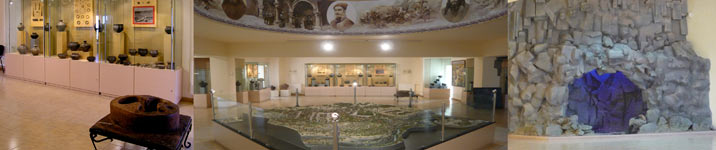
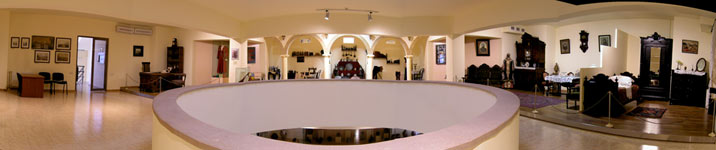
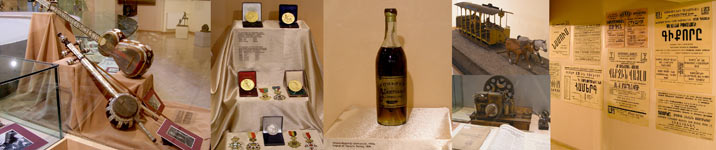
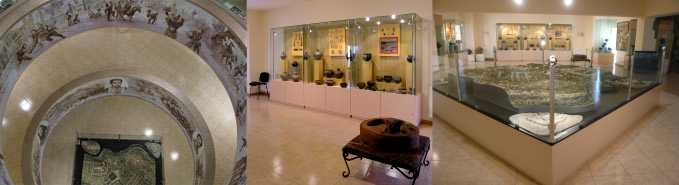
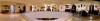
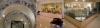
THE HISTORY OF THE MUSEUM Yerevan History Museum was founded in 1931. Being attached to the communal division of Yerevan City Council, it was called Communal Museum then. In 1936 it was renamed Yerevan History Museum. Its history repeats the history of its people, its fate is the same as its people’ and its essence of being is one with its people’s essence of existence. Having wandered from shelter to shelter, from abode to abode, it has been finally, fundamentally, deservingly, meritoriously established in a newly built building worthy of its name, riches and values, ancient history of its capital, an embodiment of the creative mind and skill of architect Jim Torosian In the beginning the museum was located in one of the rooms, on the second floor, of Yerevan Fire Department building. In 1936 it was moved to the Blue Mosque (Gyoy-Djami) where had functioned for sixty years. From 1994 to 1997 the museum was located in the building of former Hripsime Female Gymnasium. From 1997 to 2005 the museum functioned in one of the adjacent buildings of the school N1 named after Shahoumian. In 2005 the museum was established in a new building. It forms an architectural complex together with Yerevan Municipality. More than 87,000 museum pieces are kept in Yerevan History Museum. They represent the material and spiritual culture from ancient times till our days. Collection of archaeology, ethnography, numismatics, fine arts, written records, photographs, etc. kept in the storage of the museum tell about the capital, the past and present of its people. The scientific exposition of the museum is divided into three sections which have collected, studied and showed objects highlighting the history of Yerevan. The scientific council affiliated to the museum has had greatest intellectuals and artists of the time as its members: architects Al. Tamanian, T. Toromanian, N. Bouniatian, M. Mazmanian, painters M. Sarian, G. Gyurdjian, Taragros, sculpture A. Sargsian, scientists St. Licitsian, Y. Shahazyz, A. Barkhoudarian, B. Arakelian, T. Hakobian and others. The museum is a leisure place for people of all ages, occupation and preferences. Presently the public relations experience of the museum has gained new application. The museum-school ties are being strengthened acquiring new meaning and importance. The museum is in continual relations with old citizens as well as citizens of young generation. The mass media always highlights the everyday life of the museum and the events dedicated to the city. Each year the publications of the personnel increase in number. THE PRESENT BUILDING OF THE MUSEUM Since 2005, Yerevan History Museum has been established to the address 1/1 Argishti street, in the nearby territory of which, many years ago, the well-known fortress of Yerevan was situated. Yerevan History Museum together with Yerevan Municipality forms a sole architectural complex. Yerevan is one of those unique cities in the world where the cultural centre, the museum, in subjection of Municipality is in the same building. Naturally, it has its positive aspects. It opens an interesting perspective for the activities of the museum in political, republican and international spheres. Having profoundly studied the Armenian classical architecture, the unpretentious, simple and prodigious forms of Armenian monuments, architect Jim Torosian has built this architectural complex retaining all these principles. According to its exterior and interior contours, decoration and interesting artistic interpretations, this magnificent architectural monument is certainly worthy of our centuries old capital. As for its functional aspect, the building is an administrative structure but first and foremost it is perceived as a gorgeous monument dedicated to the capitals of Armenia. As the architect himself metaphorically says: “The complex is an ode to Yerevan and other martyred capitals of Armenia”. Twelve columns on which the names of the twelve capitals of Armenia are carved, stand out on the building. The building itself “tells” about one of the ancient cities in the world. The history begins from the main entrance of the museum where evidences of our past and present stand side by side. The ancient is the cuneiform inscription which testifies the foundation of the fortress city of Erebouni in 782 B.C. and is the birth certificate of Yerevan. C. and is the birth certificate of Yerevan. The new is the product of great Tamanian’s mind, the chief plan of Yerevan, erected on the facade of the building. The main entrance of the Municipality is decorated in a particular way. The motifs are drawn from the traditional symbol of eternity and the tree of life which proves the idea of fertility. The chief plan of Yerevan by Al. Tamanian is carved above the main entrance which catches the eye of each passer-by, as if inviting to take a walk inside this splendid building. The best traditions of the Armenian construction art: principle of balance, the unity of conception and form, proportions of contour and line are retained here. THE EXHIBITION HALLS OF THE MUSEUM The inauguration of the main exposition of the museum took place on 3rd April, 2007 during which the President of the Republic of Armenia Robert Kocharian, Yerevan Mayor Yervand Zakharian and other high officials were present.: The main exposition of the museum consists of three parts. In the first exhibition hall the history of Yerevan from prehistoric times until late Middle Age (Yerevan Cave, Shengavit, Karmir Berd, Avan-Arindj, Erebouni, Karmir Blour) is displayed. The model of old Yerevan is erected in the middle of the hall. The second exhibition hall displays Yerevan in the 19th century (occupation of the fortress of Yerevan, unification of Eastern Armenia to Russia, everyday life of Yerevan, interior of wealthy citizens of Yerevan), store-workshops of Yerevan, activities of self-governed city bodies (city douma), activities of the 19th century mayors of Yerevan, etc. The third show hall of the museum is thematic which represents economy, city construction, education, culture sports, press, as well as symbols of Yerevan, etc. from the 19th century till our days. Open this door and walk in, dissolve your being in the golden soil of the past, present and future history of your city, live and inspire in yourself the pride of being just an Armenian, a citizen of Yerevan.




-
http://hyeforum.com/index.php?showtopic=16480&view=findpost&p=278413
-
The year 2010 was successful for the Public Television and Radio Company. It has managed to overcome the consequences of the global economic crisis and ensure a large audience, President of the Council of Public Television and Radio Company of Armenia Alexan Harutyunyan told a press conference today. The Public TV mostly focused on the shooting of films and documentaries, and the trend will continue into 2011. According to Alexan Harutyunyan, the Junior Eurovision Song Contest 2011 could be possibly held in Armenia. The final decision will be known next week. As for the financing, most expenses will be covered by the European Broadcasting Union.
-
Ռուսաստանցի երգիչ Ֆիլիպ Կիրկորովը Սուրբ Ծնունդը դիմավորել է ԱՄԷ-ի Շարջա էմիրության հայկական եկեղեցում: Կիրկորովն Էմիրաթներում եղել է «Սպարտակի» ֆուտբոլիստ Իվան Սաենկոյի, «Զենիթի» ֆուտբոլիստ Ալեքսանդր Կերժակովի, նաեւ ուկրաինուհի երգչուհի Անի Լորակի եւ նրա թուրք ամուսնու հետ: Նրանք Սուրբ Ծննդին այցելել են հայկական եկեղեցի, որտեղ Կիրկորովը չի տեսել Փիլիպոս առաքյալի սրբապատկերը եւ նեղվել է: Իմանալով, որ ԱՄԷ-ի ուղղափառ համայնքը կրում է Սուրբ Փիլիպոսի անունը, նա զգալի գումար է նվիրաբերել համայնքին, հաղորդումէ Ռուսաստանի հայերի «Երկրամաս» թերթը: Ավելի վաղ որոշ հայկական լրատվամիջոցներ գրել էին, թե Կիրկորովը ցանկություն է հայտնել համերգներով հանդես գալ Հայաստանում: Նա, իբր, խոստովանել է, որ հայ հասարակությունը մի քանի տարի առաջ լրիվ իրավունք է ունեցել բոյկոտել իր համերգի կազմակերպումը Երեւանում: Երգիչը մի քանի տարի առաջ լկտի արտահայտություններ էր արել հայազգի լրագրող Իրինա Արոյանի հասցեին, եւ 2005թ. կայանալիք համերգը չեղյալ էր հայտարարվել: Միեւնույն ժամանակ Հայաստանում բավական ջերմ վերաբերմունք ունեն նրա հոր` Բեդրոս Կիրկորովի նկատմամբ, ով սեպտեմբերին «Կարոտ» փառատոնի շրջանակներում այցելել էր Հայաստան:
-
Ani jan, kneres chey nkatel vor dueles drel...
-
Mos jan, gtelem... http://www.youtube.com/watch?v=NjGLgodgIIg&feature=related
-
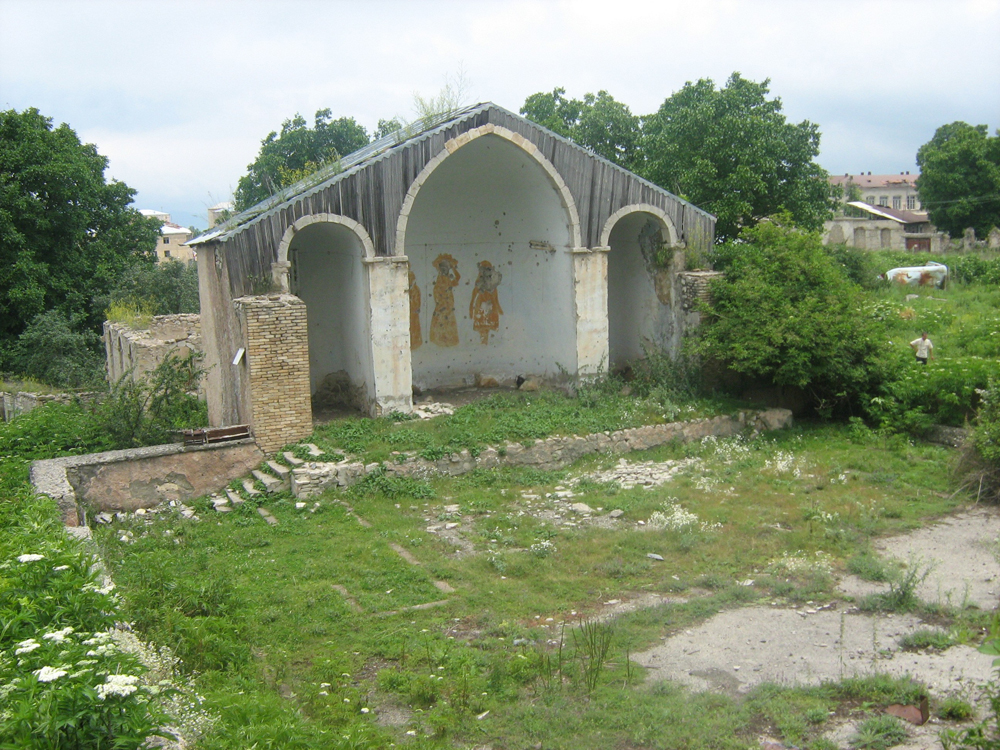
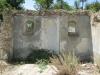
Ղարաբաղոց Եկեղեցի Գտնվում է <Կանաչ Ժամի> հյուսիս-երվևելյան կողմում։ Ավերված է, պահպանվում են խորանը և պատերից որոշ մնացորդներ։ Այն ըստ էության ավելի վաղ (15-16-րդ դդ.) Կառուցված հուշարձան է, որի մասին տեղեկություններ են պահպանվել հայերեն ձեռագրերի հիշատակարաններում, որտեղ հիշատակվում է Ս. Աստվածածին անվամբ, որը քաղաքի ամենահին հոգևոր կառույցն է եղել։ Խհորհդրային շրջանում հիմնովին վերակառուցվել է վերածվելով հանգստյան տան մասնաշենքի։

-
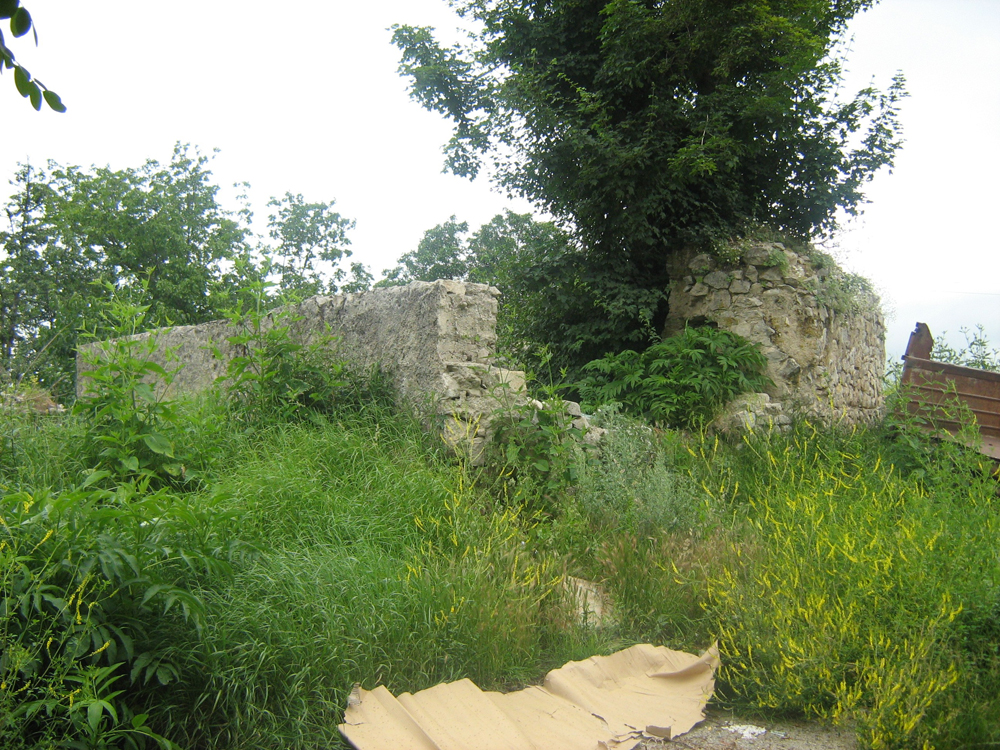
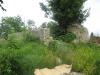
Ագուլեցոց Եկեղեցի Հուշարձանն ուներ պարագծային աստիճանավոր պատվանդան, արտաքուստ ուղղանկյուն, ներքուստ խաչաձև գմբեթավոր հորինվածք։ Ընդարձակ աղոթասրահը վերջանում էր փայտաձև աբսիդով։ Տանիքը եղել է երկթեք՝ ծածկված սրբատաշ քարերով։ Ըստ արձանագրության, որ պահպանվում էր հր. դռան ճակատակալ քարի վրա, եկեղեցին կառուցվել է 1822թ.։ Մինչև Ղազարնչեցոց Եկեղեցու կառուցումը, այս եկեղեցին համարվել է քաղաքի ամենախոշորը որի համար էլ կոչվել է <Ավագ> Եկեղեցի։ Ներկայումս եկեղեցին ավերված է հիմնահատակ։ Պահպանվել է հս. պատի հատվածը, որը խորհրդային տարիներին վերածվել է բնակելի տան մի պատի։ Եկեղեցու հիմքերը, ամենայն հավանականությամբ, պահպանվել են տեղում և հնարավոր է պեղել և վերականգնել։
-
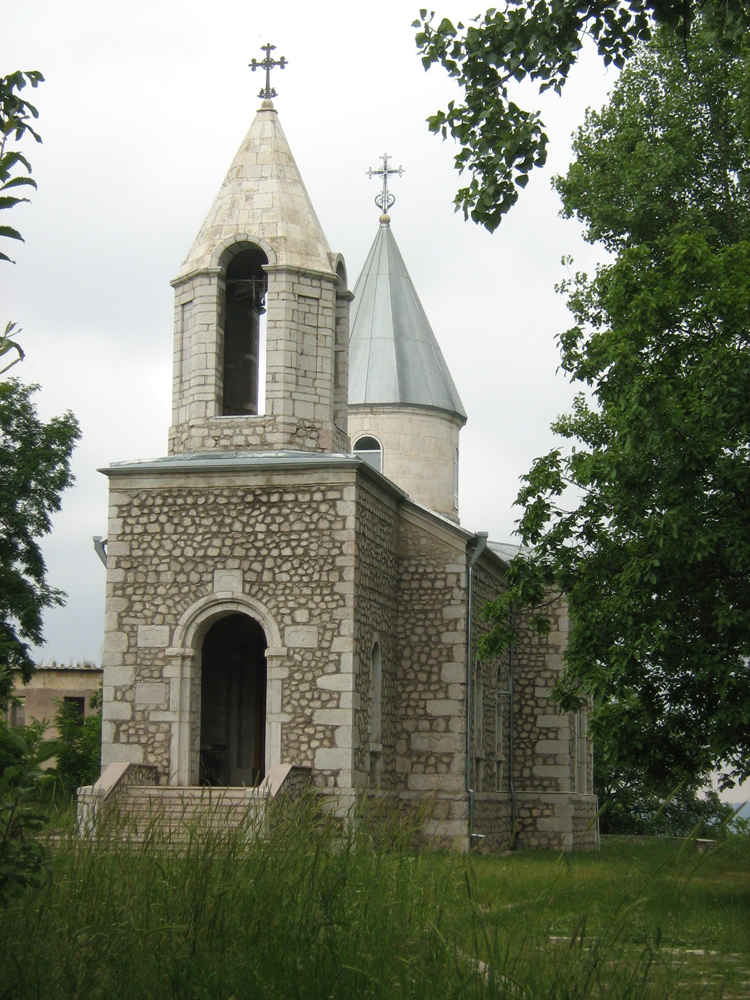
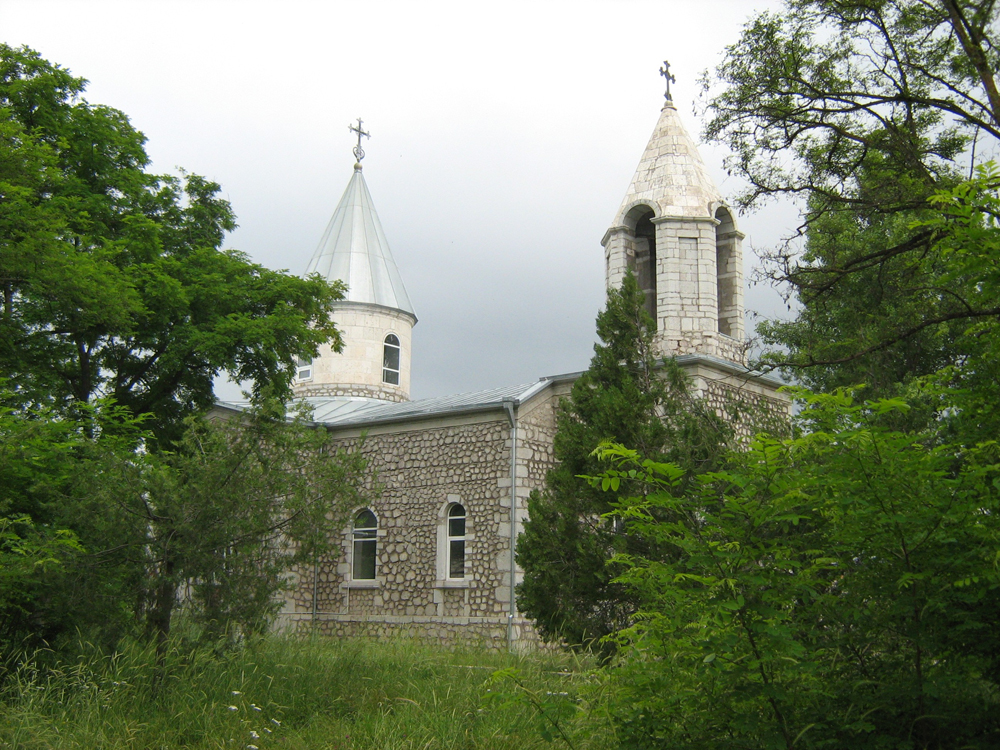
Եկեղեցի "Կանաչ Ժամ" կամ Ս. Հովհաննես Մկրտիչ Կանաչ ժամը գտնվում է սարահարթի բարձրադիր հյուսիսարևմտյան մասում, որտեղից երևում է քաղաքի ամբողջ համայնապատկերը։ Եկեղեցին, համաձայն շինարարական արձանագրության, կարուցվել է արևելք-արևմուտք առանցքով, խաչաձև հատակագծով, առանց սյուների, թաղակապ, սրբատաշ քարով, 1818թ։ ՈՒնի երկու դուռ՝ հյուսիսային և արևմտյան կողմերից, զանգակատուն և գմբեթ։ Եկեղեցու երկարությունը (զանգակատան հետ միասին) 27.7մ է, լայնությունը՝ 10.9մ։ Հուշարձանն աչքի է ընկնում ներքին ինքնատիպ հարդարանքով։ Թեև զանգակատունն օրգանապես ձուլված է եկեղեցուն, այնուամենայնիվ որմնամույթերով նրանից որոշակիորեն առանձնացված է, որի հետևանքով ավելի է ընդգծվում դեպի աղոթարանը տանող շքամուտքի հանդիսավորթյունը։


-
Անուշիկ ջան, Ազատքեղ և Մաղադանոս = Parsley In regards to what is the name for Cilantro - Cilantro is just another name for Chinese Parsley, therefore, Italian Parsley, Chinese Parsley, Cilantro, Ազատքեղ and Մաղադանոս are the same, with the following differences. Սիրելի Արփա, - now you know what cilantro is!
-
Դաբնի-ի Տերեւ - Laurel, Bay-leaf, Մարզանոն - Marjoram, Չաման - Caraway Seed, Վարդ - Damask Rose, Գինձ - Coriander
-
Արփա ջան համոզեցիր. Այս ու հետև կգրեմ կամ Հայերենով կամ Անգլերենով
-
Azat jan do ari menq sirov spasumenq. Mos jan - es erku or@ harmaracnem jeepi nkar@ cuyc tam heto do indz kases.
-
Mos jan hima mtovi arten patkeracnumem inchera patmum... helnem es qani or@ gnam achqis...
-
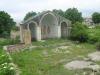
Meghrecoc Ekegheci Hushardzann adzanagrucyunnerum kochvele st. Amenaprkich Meghrecoc Ekegheci. Karucvele 1833 tvakanin, Mahtesi Hakobyani tsaxserov. Aghotasrahn (24,75x12,70)m uner ughankyun, bavakanin dzgvats tsavalataratsakan horinvatsq. Zangakatunn eraharker srbatash garic. Khorhrdain zhamanaknerum erbemni tchartarapetakan hamalirn qandvel, vere atsvel amarain bacodya kinotatroni. Mi ayl poqrik zangakatun gtnvumer ekeghecu taniqi mejteghum. Ekeghecu arevelyan pat@ mets u poqr obsidnerov pahpanvume.
-
ha aper de janaparortucyun@ tiflizov sksvec... en ahreli mets ekeghecin tesnumes? anastvatsner@ da sarkelen u dranov pakelen mer hin haykakan gerezmanocn u ekeghecin... Amena arachi 4 nkarneri mech ktesnes hin haykakan ekegheci amboxchovin koxkic qandvats, lacakumac vijakum... Arden veranoroqman pulume gtnvum, mer hay jartarapetnern arden gtsagrelen mnuma vor veranoroqen. Du sran ushadrucyun mi darcru - hima mek u mech knaes mer ekeghecineri nkarner@ vor kamanc kamanc kteghadrem... Es qaghaq@ idep asem shat hin qaghaka u haykakan hamaynqnel enpes poqr chi ha...
-
Ghazanchecoc S. Amenaprkich ekeghecin teghadrvatse Shushii kentronakan masum. Haravain dran glxamasum pahpanvats ardzanagrucyamp, karucumn sksvele 1868 tvakanin yev avartvel 1887 tvakanin. Chors muyteri vra bardsracogh gmbetn teghadrvatse dahlichi kentronum. Ekeghecin uni miatesak – nuyn chaperi ereq mutq, arevmutqic, haravic, hyusisic, voronc arach karucvumen gegheckashen, boloradz-nakhamutqer. Ghazanchecoc ekeghecu hatakagtsayin – tsavalataratsakan lutsumn voroshaki @ndhanrucyun uni Ejmiatsni Mayr tatchari het. Ghazanchecoc ekeghecu mot arevmtyan koghmum, teghadrvatse erahark zangakatun. Karucvatse srbatash katnaguyn garov. Ardzanagrucyunov karucvele 1858 tvakanin tas tari aveli shut, kan ekeghecin. Ghazanchecoc S. Amenaprkich ekeghecin veranorogvele 1998 tvakanin.