Leaderboard


Popular Content
Showing content with the highest reputation on 09/27/2018 in all areas
-
Hurrahs for Armenia where the opposite sexes still look for a kind of romantic relationship. where there is still no separation between sex and love, as in the West a west infused with promiscuity; and we see today in the West only 37% of women, ages 18-34, say that having a successful marriage is one of the most important things in their lives while for men it's only 29 percent. In Armenia the numbers are 99% and 90% respectively. The levels of cohabitation (living together sexually without getting married) is 75% in the West while in Armenia is 01% only. If a young woman in America today says she is saving her virginity (like Armenian girls do) for her husband, she certainly be considered hopelessly old fashioned and be treated with disdain, while the polite society of Armenia labels such one as whore. A writer said: "The foundation of the Christian family is the sacrament of matrimony, the spring of all domestic and public morals. When the anti-Christians have succeeded in destroying the hearth, then the morality of society will perish." Who were those anti-Christians of the West? They were satanists and paganists lurking behind the mask of "secularism". They corrupt a society in order to conquer. Abraham Lincoln, the president, said: "America will never be destroyed from the outside. If we falter and lose our freedoms, it will be because we destroyed ourselves." "The defining characteristic of civilization is the consecration of sex to marriage, or at the very least, love and courtship. Marriage and family are the red blood cells of a healthy society and the basis for procreation" said another writer. Sexual degradation is the primary instrument used by Satanists in order to induct people into their religion. "Sexual liberation" was a ruse designed by them to undermine marriage and family. Pagans have reduced all relationships between males & females to the lowest sexual common denominator. Their goal is to destroy marriage-family and make women a public sexual utility (amateur prostitutes). This is how they enslave mankind. In Armenia, in general, men are required to get married in order to have sex, women are courted and loved. They are honored for their contributions as wife and mother. Far from protecting "women's rights," feminism in America has diminished women and left them twisting in the wind. When a woman has casual sex, as feminists advocate, inevitably she turn out disappointed and feels used and betrayed. She starts to hate men and falls victim to feminism and lesbianism. The separation of sex from marriage, i.e. "sexual liberation," is one of the principle ways satanism and paganism have killed love. Wanton sex in America has become a facsimile for love. Young women in the West now market themselves as sexual partners, not wives and mothers. Men in America are also trained to seek sex, not love. Anonymous sex cannot compare to sex in the context of a loving relationship. This deluded fascination with sex in the West is a large part of what we call "modernism", and when a Christian church takes the path of this modernization it will be as if taking the path of whorish-mess against God. Monogamy and family in Armenia are wholesome and life affirming. When sex is consecrated for marriage, it bonds husband and wife. Marriage provides a wholesome secure environment for raising children in Armenia. For a real woman, by her instinct, sex is an act of surrender and possession and by right definition and understanding, it requires trust and commitment. Most women, deep in their hearts, want one thing: to be loved permanently by one man whom she loves. Sex to them is the symbol of an exclusive long-term bond. But society and the modern culture they have grown in America tells them otherwise; all from TV programs, movies, mass media, music, books, college and university education program --their minds is programed into a free style partying life to be the norm for them. They are not able to resist social pressures to act according to their instincts in a normal fashion they were meant to be, like it is done in Armenia. In Armenia men chose women for their worth as helpmates. She must know how to cook, make clothes, and milk cows if living in rural area, and know how to dance traditional Armenian dances.They look for women who are gentle and accommodating, who have skills, character, personality and make good mothers. Like the plague they avoid promiscuous women, feminists and women who are alienated from their fathers; and women who want everything to be "equal" between wife and a husband. In the West men have been brainwashed to idealize women, having divorce in mind when this period of idealization is over; while in Armenia women are treated lovingly and not idealized except in few cases. In Armenian marriage a couple looks for a life-long companionship, someone who is easy to live with. They know that sexual attraction inevitably will fade. In America they also know that sexual attraction inevitably will fade, but who cares!! They can dump anytime their companion and get another more attractive sexually. The corruption in America have reached levels unimaginable by men&women of Armenia.1 point
-
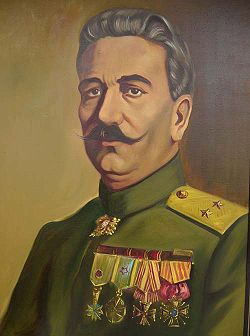
Կենսագրություն Անդրանիկ Թորոսի Օզանյան Զորավար Անդրանիկ (1865 - 1927) Հայ ֆիդայապետ / հայդուկապետ /, զորահրամանատար և Ազգային հերոս։ Հայոց Ազատագրական Շարժման խորհրդանիշներից մեկը։ Անդրանիկ Թորոսի Օզանյանը ծնվել է 1865 թ.՝ Արևմտյան Հայաստանի Շապին Գարահիսար քաղաքում։ Տեղի Մուշեղյան վարժարանն ավարտելուց 1 տարի անց բանտարկվում է հայ բնակչությանը ահաբեկող ժանդարմին ծեծի ենթարկելու համար։ Բանտից հաջող փախուստ իրականացնելով՝ Անդրանիկը տեղափոխվում է Կոստանդնուպոլիս, բայց շուտով վերադառնում է Արևմտյան Հայաստան, իսկ հետո էլ ուղևորվում է Ղրիմ ու Կովկաս՝ հայկական մարտական ջոկատներին զենք հասցնելու համար։ Արևմտյան Հայաստանում Անդրանիկը մտնում է հայտնի ֆիդայի Սերոբ Վարդանյանի (Աղբյուր Սերոբ) պարտիզանական ջոկատը և դառնում թուրքական ջարդարարների ու կանոնավոր բանակային զորամասերի դեմ պայքար մղող մի քանի պարտիզանական խմբերի ճանաչված ղեկավարը։ Գլխավորել է Սերոբին սպանող Բշարե Խալիլի սպանությունը, 1901 թ. Առաքելոց վանքի կռիվները։ 1902-1904 թթ. Անդրանիկի ջոկատները թուրքերի և քուրդ մահմեդականների դեմ մարտեր էին մղում Սասունում, Տարոնում և Վասպուրականում։ 1905 թ.-ին Անդրանիկն անցավ Կովկաս, որտեղ հայկական ազգային շարժման երևելի գործիչների հետ քննարկում էր օսմանյան լծի դեմ հետագա պայքարի հարցերը։ Դրանից հետո Անդրանիկը մեկնեց երկարատև ճանապարհորդության, որի ընթացքում այցելեց Ֆրանսիա, Շվեյցարիա, Բելգիա, Անգլիա, Բուլղարիա և Իրան՝ հանրությանը տեղեկացնելով Արևմտահայաստանի հայերի ազգային-ազատագրական պայքարի ու դրա հետ կապված զենքի ձեռք բերման անհրաժեշտության մասին։ Բուլղարիայում Անդրանիկն գրեց իր «Մարտական հրահանգները»` ընդհանրացնելով պարտիզանական պայքարի փորձը։ Հետագայում այդ փորձը լավ ծառայեց բուլղարացիներին՝ Առաջին Բալկանյան պատերազմի ժամանակ։ 1912-ին Անդրանիկը հայ կամավորներից կազմակերպեց վաշտ, որը մտավ բուլղարական բանակի աշխարհազորի կազմի մեջ։ Հայ ռազմիկները հերոսություն ցուցաբերեցին Միսթանլի, Ուզուն, Մերեֆտե, Շար-Կիո և այլ քաղաքների համար մղված մարտերում։ Անդրանիկը մասնակցում էր գեներալ Յավեր փաշայի թուրքական կորպուսի ջախջախմանը։ Բուլղարական հրամանատարությունը բարձր գնահատեց հայկական վաշտի մասնակցությունը Առաջին Բալկանյան պատերազմին։ Առաջին Աշխարհամարտը սկսվելուն պես Անդրանիկը շտապում է Կովկաս։ 1914 թ. օգոստոսի 12-ին Թիֆլիսում նա հանդիպում է Կովկասյան ռազմական շրջանի զորքերի գերագույն հրամանատար Միշլաևսկուն ու հայտնում է Թուրքիայի դեմ պատերազմին մասնակցելու պատրաստակամության մասին։ Անդրանիկին հանձնարարվեց ձևավորել և գլխավորել առաջին հայկական կամավորական գունդը։ Այդ գնդին գլուխ կանգնած՝ Անդրանիկը անհավասար մարտեր է մղում թուրքական զորքերի դեմ ու հեղինակություն է նվաճում ռուսական ռազմական հրամանատարության շրջանում։ Գեներալ-լեյտենանտ Չերնոզուբովը, մասնավորապես, գրում էր. «Ես միշտ հանձինս Անդրանիկի տեսնում էի ջերմ հայրենասերին, Հայաստանի ազատության մարտիկին, որ խորապես սիրում է իր Հայրենիքը։ Ես առանձնակի հաճույքով էի միշտ կարդում ռուսերեն թարգմանությամբ քաղվածքները հայկական թերթերի հոդվածներից, որտեղ Անդրանիկին հարգանք էր մատուցվում՝ իբրև ազգային հերոսի, որն իր գլուխը միշտ քաջաբար պահեց Հայաստանի դարավոր թշնամու դեմ պայքարում ազգային իդեալները իրագործելու համար»։ Մյուս, ոչ պակաս հայտնի ռուս զորավար Յուդենիչը Անդրանիկի մասին ասաց, որ նա «խենթի պես քաջ է»։ 1915-1916 թթ. Կովկասյան ճակատի մարտերում ցուցաբերած անձնական արիության և հայկական գնդի հաջողությունների համար Սասունցի Անդրանիկը պարգևատրվեց Գեորգիևյան 4-րդ աստիճանի մեդալով, Գեորգիևյան 4-րդ և 3-րդ աստիճանի խաչերով, Սբ. Ստանիսլավի 2-րդ աստիճանի սրի և Սբ. Վլադիմիրի 4-րդ աստիճանի շքանշաններով։ Գունդը Անդրանիկի գլխավորությամբ քաջաբար մասնակցեց Մուղանջուղի (Դիլման) տակ մղված մարտին՝ 1915 թ. ապրիլի 15-18-ին, որում Կովկասը փրկվեց թշնամու ներխուժումից։ 1918 թ. հունվարի 30-ին թուրքական զորքերը, Մեհմեդ Վեհիբ փաշայի հրամանատարությամբ, Էրզրումի, Վանի և Մերձծովյան ուղղություններով անցան մեծամասշտաբ գործողությունների. հունվարի 30-ին նրանք գրավեցին Երզնկան, փետրվարի 11-ին՝ Տրապիզոնը, ապրիլի 14-ին առանց կռվի մտան Բաթում և սկսեցին շարժվել դեպի Սուխում։ Ապրիլի 25-ին ընկավ Կարսը, մայիսի 15-ին՝ Ալեքսանդրապոլը։ Անդրանիկի գունդը զրկվել էր մանևրելու հնարավորությունից, որովհետև վարելով ծանր պաշտպանական մարտեր Էրզրումի ուղղությամբ, ծածկում էր 1915 թ. փրկված հարյուր հազարավոր հայ, հույն ու ասորի գաղթականների նահանջը, որոնց վրա ռուսների նահանջից հետո նորից սարսափելի վտանգ էր կախված։ Թուրքիայի կողմից Կովկասի մեծ մասի զավթման ու Արևելյան Հայաստանում ցեղասպանության կրկնության վտանգը թվում էր գրեթե անխուսափելի։ Սակայն 1918 թ. մայիսի 16-18-ին Վորոնցովկա ավանի մոտակայքում գեներալ-մայորի կոչման արժանացած Անդրանիկի դիվիզիան անպատմելի ջանքերով զսպեց օսմանյան զորքերին և նրանց արբանյակներին։ Ու չնայած թշնամու որոշ խմբերի հաջողվեց մինչև 20-25 կմ մոտենալ Թիֆլիսին, նրանց հիմնական զանգվածը կանգնեցվեց և ետ շպրտվեց։ Թշնամուց նախաձեռնությունը վերցնելով՝ զորավարը մարտեր է մղում Ղարաքիլիսայի ուղղությամբ։ 1918 թ. մայիսի 25-28-ին ծավալված Լոռու ճակատամարտում, որ մեծապես ճակատագրական եղավ ոչ միայն Հայաստանի համար, այլև ամբողջ Կովկասի, Անդրանիկը վիժեցրեց Դիլիջանի ուղղությամբ թուրքական զորքերի գլխավոր հարձակումը, որոնք ջանում էին Դիլիջանով դուրս գալ դեպի Բաքու։ Կրած պարտության հետևանքով թուրքական հրամանատարությունը ստիպված եղավ Լեռնային Լոռու մարզի մեծ մասը թողնելու հրաման տալ։ 1918 թ. հունիսի սկզբին հայկական դիվիզիան մտավ Նոր-Բայազետ, այնուհետև Սելիմի լեռնանցքից Դարալագյազ-Շարուրով դեպի Նախիջևան։ Շուտով զբաղեցվեցին Ջուլֆան և Բիթլիսը։ Հունիսի 14-ին Անդրանիկը հրաման տվեց, որում նշվում էր, թե իր զորքերը ենթարկվում են կենտրոնական Ռուսական կառավարությանը, իսկ Նախիջևանը հայտարարվում էր Ռուսաստանի անբաժանելի մասը։ Զորավար Անդրանիկը նաև հեռագիր ուղարկեց Կովկասի հարցերով արտակարգ կոմիսար և Բաքվի Սովնարկոմի նախագահ Շահումյանին, որում պատրաստակամություն հայտնեց օգնություն ցուցաբերելու Բաքվի վրա հարձակվող թուրքական զորքերից պաշտպանվող Բաքվի կոմմունային։ Դեռևս 1918 թ. ամռանը թուրքական զորքերը բռնագրավեցին պարսկական տարածքի հյուսիսային մասը՝ դեպի Բաքու առաջխաղացումը ծավալելու համար հենադաշտ ստեղծելով։ Գրավելով, մասնավորապես, Մակու, Սալմաստ, Թավրիզ, Սերաբ, Արդաբիլ և Խոյ իրանական քաղաքները, թուրքերը մտադրված էին Ալեքսանդրապոլ-Ջուլֆա երկաթգծի միջոցով նոր զորքեր անցկացնել Պարսկաստան՝ Բաքվի վրա հարձակվելու համար։ Բայց Նախիջևանում Անդրանիկի ջոկատները կտրեցին երկաթուղային ճանապարհը, իսկ Ջուլֆայում՝ գրավեցին թուրքական կայազորը։ Խոյի շրջանում հայկական կազմավորումները անսպասելի հարված հասցրին Հյուսիս-արևմտյան Իրանում տեղաբաշխված թուրքական բանակին, ինչը ստիպեց թուրքերին՝ կանգնեցնել հարձակումը Բաքվի վրա և Անդրանիկի դեմ ուղարկել նշանակալի ուժեր։ Խոյում մարտերը տևեցին մի քանի օր։ Թուրքերը կրեցին մեծ կորուստներ, սակայն անընդհատ ժամանող լրացուցիչ ուժերը հայկական դիվիզիայի համար գրավման վտանգ առաջ բերին։ Այդ պայմաններում Անդրանիկը ստիպված եղավ թողնել Խոյը, և, ճեղքելով շրջափակման օղակը, նահանջել Ջուլֆա-Բաքվի շրջանը։ Այնուհետև, թվով գերակշիռ թուրքական զորքերի ճնշմամբ՝ զորավար Անդրանիկը ստիպված եղավ թողնել Նախիջևանը ու անցնել Լեռնային Զանգեզուր՝ նպատակ ունենալով Լեռնային Ղարաբաղի միջոցով ճեղքել-հասնել Բաքու և փակել նահանջող թուրքական բանակի ճանապարհը։ Անդրանիկը վիթխարի դեր խաղաց Զանգեզուրի պաշտպանությունում։ Մարտերի ընթացքում թուրքական զորքերի մինչև 40 տոկոսը ուղղվեց Զանգեզուր՝ Անդրանիկի դեմ։ Երբ նորակազմ կովկասյան հանրապետությունների ղեկավարները, դեռևս 1918 թ. հունվարին դիմեցին թուրքական կառավարությանը՝ պատրաստակամություն հայտնելով նստել բանակցությունների սեղանի շուրջ, ի պատասխան լսեցին, որ Թուրքիային իրենց կարծիքը չի հետաքրքրում, նրան հուզում է միայն այն, թե այդ առիթով ինչ է մտածում զորավար Անդրանիկը, ինչը լիովին տրամաբանական էր, քանզի հենց Անդրանիկի զորքերն էին մնում թուրքերի կողմից Կովկասի գրավման հիմնական խոչընդոտը։ Բախվելով Անտանտի դաշնակիցների, Հայաստանի հանրապետության որոշ ղեկավարների և բոլշևիկների դավաճանությանը, զորավարը ստիպված եղավ հեռանալ արտասահման։ Ճանապարհին, երբ նա անցնում էր Թիֆլիսով, ասաց. «Ես իմ կյանքում երբեք չեմ ձգտել անձնական երջանկության ու բարօրության։ Ես մշտապես ձգտել եմ միայն մի բանի և պայքարել եմ միայն մի բանի՝ իմ հարազատ ժողովրդի ազատության և բարեկեցության համար։ Ես չեմ փնտրում իմ վաստակի գնահատականը և ցանկանում եմ միայն այն, որ երջանիկ լինի այն ժողովուրդը, որին ես ծառայում եմ ամբողջ կյանքում»։ Այդ ծառայությունն Անդրանիկը շարունակեց նաև տարագրության մեջ։ 1919 թ. դեկտեմբերին «Վաշինգտոն Փոսթ» ամերիկյան թերթը գրում էր. «Զորավար Անդրանիկը կանգնած է հայկական հերոսականության գագաթին։ Հայերն ամենուր նրան ցնծությամբ են դիմավորում։ Նրանք մեծ ուշադրությամբ ու հիացմունքով են ունկնդրում նրա յուրաքանչյուր խոսքը։ Իսկ նա՝ այդ զինվորը, որը ցարական Ռուսաստանի կործանումից հետո անհավասար մարտեր էր վարում թուրքական բանակի դեմ, ունի ասելիք։ Այժմ նրա խոսքերը նույնքան հատու են, որքան՝ նրա սուրը»։ Անդրանիկը մահացավ 1927 թ. օգոստոսի 31-ին, Ֆրեզնո քաղաքում (ԱՄՆ)։ 1928 թ. հունվարին նրա աճյունը փոխադրվեց Փարիզ և թաղվեց Պեր-Լաշեզ գերեզմանոցում, իսկ տարիներ անց (2000) այն տեղափոխվեց Հայրենիք՝ Երևանի Եռաբլուր պանթեոն։ Անդրանիկի անունով են կոչվում հրապարակներ, փողոցներ, դպրոցներ, նրա պատվին տեղադրված են արձաններ և հուշատախտակներ աշխարհի մի շարք երկրներում (Հայաստան, Բուլղարիա, Ֆրանսիա, Ռումինիա)։ Նրան են նվիրված մեծ թվով ժողովրդական ստեղծագործություններ, գրքեր և հոդվածներ տարբեր լեզուներով։ Հայ գրողներն Անդրանիկի մասին «Հայ ժողովուրդն իր պատմության ընթացքում նվաճած է 4 գագաթներ. Սուրբ Մեսրոպ, Կոմիտաս, Կաթողիկե և Անդրանիկ։ Ասոնցմե դուրս ոչինչ ունինք որ ըլլա ճշմարիտ հաղթանակ և անվիճելի նվաճում»։ Շահան Շահնուր «Հայ ժողովրդի երկար դարերու ստրկական լռությունը ա՜ն (Անդրանիկն) է, որ խզեց, դյուցազնականորեն կանգնելով Սասնո երկնամուխ լեռներուն վրա, կոչ անելով հայ ժողովրդին ըմբոստության և ժողովուրդն արթնացավ»։ Սմբատ Շահնազարյան «Աշխարհում չկայ մի հայ, որի սիրտը չթրթռայ՝ արտասանելով այս պաշտելի անունը, Զօր. Անդրանիկ։ Զօր. Անդրանիկը հայ ժողովրդի ազգային հերոսն է։ Նա մեր ժողովրդի պարծանքն է, մեր պատմութեան ամենաթանկագին գոհարներից մէկը»։ Հակոբ Անասյան Կյանքի ծովն է ալեկոծվում խելագար, Վերը՝ փրփուր, մարգարիտը վարն է հար, Իմ ազգի ծով, հրաբխվի՜ր անդադար, Գոնե բացվե մաքուր մի լույս, Անդրանիկ: Հովհ. Շիրազ Զորավար Անդրանիկ՝ «Ես իմ կյանքում երբեք չեմ ձգտել անձնական երջանկության ու բարօրության։ Ես մշտապես ձգտել եմ միայն մի բանի և պայքարել եմ միայն մի բանի՝ իմ հարազատ ժողովրդի ազատության և բարեկեցության համար։ Ես չեմ փնտրում իմ վաստակի գնահատականը և ցանկանում եմ միայն այն, որ երջանիկ լինի այն ժողովուրդը, որին ես ծառայում եմ ամբողջ կյանքում»։
 1 point
-
1 point
-
"In February 1927, Antranik and Nevart traveled to San Francisco and then visited Richardson Springs in Butte County where he died on Aug. 31, 1927. Today, there is a rock monument at the old hotel in Richardson Springs in his honor. His death certificate shows the cause of death for the retired army officer to be angina pectoris." i wasn't farr from that place 2 days ago next time1 point
-
Fresno Bee, CAApril 21 2017 Armenian military hero was revered in FresnoBy Debbie Poochigian and Sevag Tateosian Gen. Antranik Ozanian’s newspaper obituary It was Wednesday, Sept. 7, 1927. According to The Fresno Morning Republican, a newspaper, thousands had gathered in downtown Fresno to pay their final respects to a general who was known at the time in the Armenian community as a hero. Many arrived from out of town the night before and attended the viewing. As the body left the original Stephens and Bean chapel (at the time located at Tuolumne and Broadway streets), a military band and an escort of Armenian veterans of World War I led the way. The first stop was at the Holy Trinity Armenian Apostolic Church on Ventura and M streets, where high mass was celebrated. A special choir sang a somber, sad farewell. The body and funeral procession then headed to the Ararat Cemetery for the graveside services. Those in attendance were paying their final respects to Antranik Ozanian. He was a carpenter who turned into a general out of necessity. During the Armenian massacres, which began as early as 1894 and were a precursor to the Armenian Genocide, Antranik and a small group of volunteers defended Armenian villages. Putting their lives on the line, they protected many women and children. On May 15, 1922, Antranik married Nevart Kurkjian in Paris. The newly married couple traveled to the United States and arrived in Fresno with no place to live or work. They stayed with Mugrdich and Zarouhi Koligian for almost a year. The beautiful two-story home, near Kearney and Cornelia avenues, was flooded with Sunday afternoon visitors who came weekly to listen to war stories and pay homage to the general. General Antranik was a hero to the four young Koligian brothers who lived near Kearney Park since the early 1900s. Throughout his adult life, Deran Koligian would sit in Antranik’s chair and position visitors at the family dinner table so they had a direct view of the general’s portrait. Of course, they would ask, “Who is that?” And, the decades-old Antranik stories began. The four Koligian brothers gave Antranik his own 40 acres to farm. But, it didn’t take long for him to inform the brothers that he was a soldier, not a farmer. On June 5, 1923, the brothers joined forces and raised a $5,500 down payment along with a second loan from Leon Kurkjian to buy a building near Van Ness and Weldon avenues across from Fresno High School. There was a grocery store on the ground floor and living quarters nearby. The property was purchased, held for six years, and sold after Antranik’s death. During visits to the Minas Koligian home across from Kearney Park, the arthritic general would lie on the floor in front of the fireplace while young Vaughn Koligian walked on his back to help relieve the pain. Deran Koligian was born in January 1927, and never hesitated to relate the general’s remark on his first visit congratulating Khachadour and Anna on their new baby. Antranik held the baby Deran and proclaimed “Aus dughan aslan bedee ulla” – “This boy is going to be a lion.” The general’s health problems persisted, and his doctor gave strict orders to quit smoking and drinking Armenian coffee. But, before the doctor could pack up his equipment and get out the door, the general had two cigarettes and at least one cup of coffee. He was obviously a tough guy who was more accustomed to giving, rather than taking, orders. In February 1927, Antranik and Nevart traveled to San Francisco and then visited Richardson Springs in Butte County where he died on Aug. 31, 1927. Today, there is a rock monument at the old hotel in Richardson Springs in his honor. His death certificate shows the cause of death for the retired army officer to be angina pectoris. News of the general’s death quickly reached his multitude of admirers around the world. On the day of his death, The Fresno Bee carried a headline: “Death claims famous General, Once of Fresno.” After Antranik’s death, Nevart Ozanian gave each of the Koligian brothers one of the four chairs from the general’s dining set. As far as we know, the only remaining chair is at the head of the dinner table at the Deran Koligian home. That chair was one of Deran’s prized possessions. The general was originally buried at Ararat Cemetery in Fresno and then moved to Pere Lachaise Cemetery in Paris where streams of visitors passed by daily with bouquets of flowers and a quiet, solemn sign of the cross. In 2000, his remains were transported to Yerablur military cemetery located on a hilltop on the outskirts of Yerevan, Armenia. Around this time in April, Armenian Genocide commemorations take place around the world. During commemorative activities, many remember the 1.5 million men, women and children who were brutally murdered and forced to march out of their historic homeland. Along with remembering the innocent victims, people also remember the volunteers like Antranik, who fought to protect the Armenian villages. We, in Fresno, have a special connection to him, something very few places can mirror. Debbie Poochigian is a retired Fresno County supervisor and daughter of the late Deran Koligian. Sevag Tateosian is host and producer of The Central Valley Ledger airing on 90.7 FM KFSR Fresno and CMAC Comcast 93 and Att 99. Read more here: http://www.fresnobee.com/opinion/readers-opinion/article145915064.html#storylink=cpy http://www.fresnobee.com/opinion/readers-opinion/article145915064.html1 point
-
Sorry for your loss, may he rest in peace!1 point
-
Philos Project Aug 8 2016 TURKEY: POST-COUP PURGE REACHES ARMENIANS ROBERT JONES August 8, 2016 Following the failed coup of July 15, the Turkish government has begun a brutal crackdownon people who it claims have ties with the movement of Fethullah Gulen, an Islamic cleric living in Pennsylvania whom the government accuses of organizing the attempted coup. This scale of arrests and governmental pressures might be new to Muslim Turks, but Armenians – the victims of Turkish racism for all seasons – are being targeted again. The newspaper Agos covered the latest rights abuses against Armenians: Armenian trainer fired under the cover of “Fethullah Terrorist Organization” As part of the purge that was started after the coup attempt, Ari Hergel, who was working as a guitar teacher in the Istanbul Metropolitan Municipality Art and Vocational Training Courses, has been fired from his job. Hergel said that he was informed about the issue via a phone message on July 22. “In the message they sent me, it was written that I have some kind of a relation with Fethullah Gulen,” Hergel said, “however, I couldn’t find out what are the grounds of this assumption. There is no information or document indicating such a relationship.” Hergel added that many other people have been fired for the same reason: “When I went to get the original copy of the notice, I came across many coworkers who have received the same notice,” he said. “People were trying to explain themselves and writing petitions.” Armenian doctor’s fertility center closed down as part of state of emergency The Istanbul Fertility Center, founded and directed by the Armenian surgeon Aret Kamar, was seized and closed down on July 25. The reason was the center’s alleged support to the “Gulenist terrorist organization.” Kamar said that he is an Armenian and Christian and has nothing to do with Gulen: “We have absolutely no connection with that organization,” he said. “However, since our center is closed down by the decision of cabinet, we cannot take any legal action. “Our center was closed down due to a single report from the intelligence service. They confiscated the properties and medical equipment. They left nothing. They took the cash in the center. They did all this without any investigation. They came on Saturday morning and completed the process by midnight.” The center had been operating for 11 years and treated an average of 200 patients per day, Kamar said. “They took confidential records of 40,000 patients and this was the saddest part. They don’t have the right. Also, they transferred the embryos to Koc University.” Armenian with French nationality deported due to speaking Turkish Richard Demirci, a businessman who has been conducting trade between Turkey and France for years, was detained and then deported on July 31 for “speaking Turkish even though he is Armenian.” Demirci was born in Turkey’s Siirt Province in the Sason region, part of the historical Armenian Highland. Agos reported, “Speaking to the police during the ID check at Istanbul’s Ataturk Airport, Richard Demirci said that he was an Armenian from France and he ended up being deported. Police officers asked, ‘You speak Turkish. How come you are not Turkish?’ “As a result of the dialog between Demirci and the police officers, Demirci was kept in the airport and then taken to the Foreigners’ Department in Kumkapı.” Demirci has been prohibited from entering Turkey due to an exclusion order. Murad Mihci, an activist with the Armenian Nor Zartonk Association in Turkey, said that Demirci was exposed to verbal attacks and insults while in detention. “They insulted him for being Armenian and accused him of working for the PKK [Kurdistan Workers’ Party]. He will be brought to court for having ties with a ‘terrorist organization.’” Armenian journalist taken to police station and had his passport seized Hayko Bağdat, an Armenian journalist born in Turkey, had his passport seized by Turkish police after he arrived from Greece at the Istanbul airport on Aug. 6. Bağdat announcedthe incident on his Twitter account, writing, “My passport has been seized and I have been taken to the police station upon entering the airport. There is no ruling for detention. So, for a while, do not tell me to ‘go speak in another country,’ for it is now impossible.” It is said that many other journalists will also be exposed to the same treatment. Bağdat the online newspaper Diken, “For what other journalists have such rulings been given, who will be detained or whose passports will be seized? This is not just my problem only. It is said that such decisions have been made for thousands of journalists.” Wealth Tax: How Non-Muslims of Anatolia Were Eliminated from the Economy The current population of Turkey is about 80 million, but Christians and Jews only compromise 0.2 percent of it. And this unnatural decline of population took place not only as a result of mass slaughters and forced expulsions, but also as a result of several economic pressures against the country’s non-Muslim citizens. The current rights violations against Armenian workers, employers or businesses − including unjust dismissals, arrests and seizures of properties − are reminiscent of what the non-Muslim communities in Turkey went through during the period of “the Wealth Tax Law.” On Nov. 11, 1942, the government of the non-Islamist Republican People’s Party (CHP), led by the then-prime minister Sukru Saracoglu, enacted the Wealth Tax Law. The stated aim, wrote scholar Basak Ince, “was to tax previously untaxed commercial wealth and to rein in the inflationary spiral of World War II. However, the underlying reason was the elimination of minorities from the economy, and the replacement of the non-Muslim bourgeoisie by its Turkish counterpart.” The Wealth Tax Law divided the taxpayers in four groups, as per their religious backgrounds: Muslims Non-Muslims Converts (“donme”), i.e. members of a Sabbatean sect of Jewish converts to Islam Foreign nationalsOnly 4.94 percent of Turkish Muslims had to pay the Wealth Tax. The Armenians were the most heavily taxed. Turkish researcher Ridvan Akar, who wrote a book about the injustices of the Wealth Tax Law, referred to the wealth tax as “economic genocide against minorities.” “The way in which the law was applied was scandalous,” wrote Ince, an assistant professor of political science. “Converts paid about twice as much as Muslims, while non-Muslims ended up paying up to 10 times as much. In addition, non-Muslims were required to pay their taxes in cash within 15 days; as a result, they had to sell their businesses or property to Muslim businessmen at low prices to cover the bill. The law was also applied to the many poor non-Muslims (numbering 26,000), such as drivers, workers and even beggars, whereas their Muslim counterparts were not obliged to pay any tax.” Those who could not pay the taxes were sent to labor camps or deported, or their properties were seized by the government. The labor camp was at Askale, near Erzurum, which the author the author Sidney Nowilldescribed as “an area cooler than Moscow in the winter.” The tax debtors were put to work breaking stones, but the tragedy did not end there. “Out of 40,000 tax debtors,” Ince wrote, “about 5,000 were sent to these camps, and all of these were members of non-Muslim communities. Unfortunately, 21 people died in these camps and the government usurped their wealth and sold it to Turkish Muslims at low prices.” The government also confiscated the property of the tax debtors’ close relatives, even if the persons had been sent into labor service. In her book “Turkey, the Jews, and the Holocaust,” historian Corry Guttstadt wrote about the financial and psychological ruin the Wealth Tax inflicted on the non-Muslim citizens of Turkey: “People who were unable to pay were granted a two-week extension on request, but interest was charged for this period. Many families were forced to sell their shops and businesses, their houses, even their carpets, furniture, and other household articles, to raise the tax money. Some people committed suicide in despair. The extraordinary tax was also levied on foreign Jews, and if they were in no position to pay, their property was confiscated down to the beds and cupboards. “Although the law stipulated that people over 55 years old were exempt from labor service, 75- and 80-year-old men and even sick people were dragged to the train station and deported.” Then-prime minister Saracoglu said, referring to the Wealth Tax Law, “This way, we’ll break the foreigners’ tight grip over our market and put Turkish money into the hands of Turks.” The Economic, Political and Cultural Consequences According to Ince, “The Wealth Tax is a key link in the Turkification chain. Due to the law, most non-Muslim merchants sold their properties and vanished from the markets. The lasting damage ensured that many wary members of minorities did not want to invest in Turkey, or else they emigrated after this period. “Most non-Muslims simply left. In 1938-40, approximately 30,000 Jewish citizens left Turkey. The Wealth Tax once more demonstrated that being Muslim constituted a significant part of the definition of citizenship in Turkey.” The Wealth Tax was repealed in March 1944, under the pressure of criticism from Britain and the United States. Seventy-one years later, on Dec. 27, 2015, Sezgin Tanrikulu, an MP from the CHP, presented a proposal to Turkey’s parliament, which stated that “the right to Turkish citizenship should be granted to all of the people and their relatives up to fourth degree who have been exposed to deportation, forced immigration or who have been stripped of their citizenship inside the geography that constitutes the current territories of the Turkish Republic, from Oct. 29, 1914, when the First World War started – up to today.” The proposal was intended for the victims and descendants of the 1915 Armenian genocide, the “Citizen Speak Turkish” Campaign of 1930s, 1934 anti-Jewish pogrom in eastern Thrace, the 1941-1942 conscription of “the twenty classes” (an attempt to conscript all male non-Muslim populations, including the elderly and mentally ill, during World War II), the Wealth Tax, the anti-Greek pogrom of Sept. 6-7, 1955 in Istanbul, theforced expulsion of Greeks in 1964, and the Kurdish citizens who have been victimized by the war in Turkish Kurdistan, euphemistically referred to as southeastern Turkey. This might be a well-intentioned, humanitarian proposal, but how could the victims or their descendants return to their historic lands when the regime there still oppresses minority members in a systematic manner? A government representative has also made a similar call to the non-Muslim victims of the Turkish regime. At the opening ceremony of the Edirne Synagogue on March 26, 2015, Bulent Arinc, then-deputy prime minister, called out to the citizens of Turkey who have had to flee Turkey: “If you want to come here – if you want to live in Turkey – there are 78 million people who would welcome you with open arms.” With open arms? Such as by seizing their passports or businesses, arresting and deporting them, or unjustly firing them from their jobs? Or by even murdering them? Like the private Sevag Balikci, an Armenian citizen of Turkey who was shot to death during his compulsory military service in the Turkish army on April 24, 2011, the 96th anniversary of the Armenian Genocide. Why should Armenians, Greeks, Assyrians, Jews, Kurds and other natives of Anatolia return when the only thing that awaits them on their ancient homeland is discrimination by a hostile government and public on a daily basis? The pre-AKP period of Turkey is widely praised by many analysts in the West who claim that Turkey was a democratic, secular country where minority groups were not repressed. Nothing could be further from the truth. It was the so-called “secular” CHP, for example, that imposed this “jizya – kafir (infidel) tax” on Turkey’s non-Muslim citizens. Until the AK Party came to power in 2002, nearly all non-Muslim citizens of Turkey had either been slaughtered, deported or had to flee Turkey for their lives. Millions of non-Muslims and non-Turks have been punished and victimized by the Turkish regime for the reason of being non-Muslim and non-Turkish. Even if they were fully assimilated, they were never considered equal citizens. Since the establishment of the country in 1923, the founders and ideologues of Turkey have propagated a chauvinistic and racist mindset that revealed itself through the slogan “Turkey is exclusively for the Turks.” All succeeding governments have consciously attempted to make this slogan a reality, turning the lives of minorities into hell on earth. The current discriminatory policies of the ruling AK Party government against non-Muslims are just a continuation of this xenophobic mentality. https://philosproject.org/turkey-post-coup-purge-reaches-armenians/1 point
-
The Daily Telegraph (Australia) Galaxy Files (Australia) August 5, 2016 Friday Telegraph Edition TIME TO TAKE TURKEY TO TASK OVER GENOCIDE by JOHN ADAMS The parliament of Australia needs to grow a backbone when dealing with the Turkish government. Across Australia, Australian descendants of Armenians, Assyrians and Greek survivors of the 1914-1923 genocide inflicted by the Turkish-led Ottoman Empire continue to hold commemoration ceremonies to remember the victims of one of the most horrific episodes in 20th-century history. In echoes of the actions of Islamic State, millions of Armenian, Assyrian and Greek Christians were slaughtered, forced to convert to Islam, systematically raped or sold into sex slavery, had their property stolen or had their Christian cultural, historical and religious monuments destroyed. Unlike the Germans, who have publicly recognised and shown remorse for the horrors of the Holocaust and Nazi Germany, the Turkish government not only refuses to acknowledge the genocide, but seeks to punish foreign governments who do. Of the 21 countries that have recognised the genocide, which includes France, Russia, Canada, Italy, Poland, Greece and Germany, the Turkish government, in response, has regularly launched sharp diplomatic criticisms, withdrawn their ambassadors and even placed travel restrictions on foreign nationals who wish to visit Turkey. Despite attempts to have the genocide officially recognised by the federal Parliament, successive Australian governments have kowtowed to pressure from Ankara, fearing that official recognition may result in Australians being blocked from visiting the shores of Gallipoli during Anzac ceremonies, among other bilateral repercussions. Such cowardice is out of step with Australian values and historical parliamentary practice. Australia's respected international reputation as a good international citizen is derived from being a peace-loving nation that is also willing to stand up against injustice and atrocities that have occurred across the world. Whether it be the Holocaust, Kosovo, Tiananmen Square, Rwanda, Afghanistan, Tibet, East Timor or more recently Syria, Australia has not hesitated to identify and condemn acts of genocide or systematic human right abuses wherever they have occurred. Our longstanding position has been that failure to acknowledge systematic human rights abuses risks providing the licence for other would-be rogue governments that such action is accepted within international practice. The Australian parliament should also seek to officially recognise the direct contribution of Australia's military forces who served in WWI which helped prevent further mass slaughter of Assyrians during the genocide, including the heroic actions of Australian Army Lieutenant-General Stanley Savige. Savige, who was part of the British secret operation named Dunsterforce, volunteered with the British High Command to lead a force of only eight men under his command which successfully rescued and transported 60,000 Assyrian refugees to safety against Turkish military resistance. The Turnbull government should not fear a deterioration in Australia-Turkey relations. Recent actions by the Turkish government demonstrate that Turkey is neither a friend to Australia nor a nation that shares common interests or our values. Turkey has played an instrumental role in facilitating the growth of the Islamic State, despite this being against -Australia's national security interests. It has done this through the purchase of stolen oil seized in both Syria and Iraq by IS, which the Turkish government has either actively participated in or turned a blind eye to. Moreover, the recent mass arrests of academics, journalists and members of the judiciary critical of the Erdogan regime, coupled with the suspension of civil rights, the closure of over 130 media organisations and social media platforms as well as the intermingling of radical theology with public policy demonstrate that Turkey has abandoned its longstanding embrace of secularism, Western institutions, protections of minorities and democratic practices. As a result Christian Turks, among other minorities, have become subject to increasingly physical violence, attacks on their churches and even murder. Without Australia standing with the international community to condemn previous Turkish atrocities and the actions of the current Turkish government, our inaction risks passively facilitating a repeat of history. A century ago Australia's finest gallantly took on the Turks. It is time we now do it again. John Adams is a former Coalition adviser. https://urldefense.proofpoint.com/v2/url?u=http-3A__catallaxyfiles.com_2016_08_05_guest-2Dpost-2Djohn-2Dadams-2Dtime-2Dto-2Dtake-2Dturkey-2Dto-2Dtask-2Dover-2Dgenocide_comment-2Dpage-2D1_&d=DQIBaQ&c=clK7kQUTWtAVEOVIgvi0NU5BOUHhpN0H8p7CSfnc_gI&r=LVw5zH6C4LHpVQcGEdVcrQ&m=S8CpDH75UURU8WTIzdiKOCQ51WiIfpxS2F64seh6M0o&s=wnpvVW380oIN9GxLFrpG0p_F1DHqLq-RAdTWXto1s7w&e=1 point
-
Al Jazeera TV has aired an interview with the commander of the attacks on Kessab. He is a Chechen nicknamed Abou Moussa al Chichani. He came with a group of terrorists ... View the full article1 point
-
Well spring is around the corner, out with the cold hopefully soon. It also means that the wedding season is about to start. Some of my friends are getting married, as we all acknowledge that we are not children anymore and although it's a little hard to let go it is an exciting step. Frankly I've been more around divorces than weddings, thus I know little about planning. A little while back I was a bride's maid and I was put through hell. The dresses, the endless hours of photo shoots, a very loooong church ceremony and constant hustle and bustle. I was exhausted at the end and wanted to go home and rest. I swore that if I get married I won't put anyone through the same torture. I was not part of the planning though. So I was wondering if you guys can give me some information about planning a weddings. What would you avoid, how would you arrange, what were some of your experiences. Have you been to an outdoors weddings and indoors ones. What should one know about the pros and cons of both? Most women are very excited about the whole affair and dreamt of the day all their life, I was really never one of them. I really dislike the whole process. Can you tell me some stories, tips and information as much as you can, please? Especially you Vavachka, your wedding was not that long ago as I recall.1 point
-
Andranik Toros Ozanian Zoravar Andranik February 25, 1865 – August 31, 1927 Andranik Toros Ozanian, Zoravar Andranik, (Armenian: Անդրանիկ Թորոսի Օզանյան , Զորավար Անդրանիկ) (February 25, 1865 – August 31, 1927) was an Armenian general, political and public activist and freedom fighter, greatly admired as a national hero. Andranik Ozanian was born in the church quarter of Şebinkarahisar, Ottoman Armenia (present-day Giresun Province, Turkey). His mother died when he was one year old, so his elder sister Nazeli took care of him. Andranik finished the local Musheghian school and became an apprentice in his father's carpentry shop. After losing his wife and son at an early age, Andranik joined the Armenian freedom movement in the Ottoman Empire, and participated in various political parties, including Armenian Revolutionary Federation. He met the military commander Aghpyur Serob and joined his fedayeen. After the death of Serob (1899) he became the common leader of Armenian fedayee groups of Vaspurakan and Sassoun (Western Armenia). The most famous battles of Andranik and his fedayees in that period were the guerilla battles of Arakelots (St Apostols) Monastery of Mush (1901) and the Second Sasun Resistance (1904). Then he went to Europe and published his "Military instructions" book in Geneva in 1906. Andranik participated in the Balkan Wars of 1912-1913, within the Bulgarian army, alongside general Garegin Njdeh as a commander of Armenian auxiliary troops of 1912-1913. Bulgarian authorities honored him by the "Cross of Bravery". Leon Trotsky in his correspondence from a Balkan battlefield wrote about Andranik: "At the head of the Armenian volunteer troop formed in Sofia stood Andranik, a hero of song and legend. He is of middle height, wears a peaked cap and high boots, is lean, with greying hair and wrinkles, fierce moustaches and a shaved chin, and has the air of a man who, after an over-long historical interval has found himself once more." During World War I, he participated in the Caucasus Campaign and was appointed as general of the Armenian volunteer units of the Russian army. He participated in 20 different offensives where he gained fame due to his courage and the tactics he employed to defeat the opposing forces. He was the commanding officer of the Armenian volunteer units, which helped the Van Resistance take control of the Van on May 6, 1915. He helped re-capture the city from Ottoman forces during the Battle of Van. He was also the commander of the battalion that took the city of Bitlis (see: Battle of Bitlis) from the Ottoman forces that was under control of Mustafa Kemal. Between March 1918 - April 1918, he was the governor of the Administration for Western Armenia (The Armenian provisional government of a progressive autonomous region that initially set up around Lake Van). His military leadership was instrumental in allowing the Armenian population of Van to escape the Ottoman Army and flee to Eastern Armenia, then controlled by Russia. The territory later became the Democratic Republic of Armenia. After the formation of the Democratic Republic of Armenia (DRA), he organized and fought alongside volunteer units to combat the Ottoman army. Andranik was leading his army in combat against the Ottomans during the signing of the Treaty of Batum, and refused to accept the borders stated by the treaty. His activities were concentrated at the link between the Ottoman Empire and the Azerbaijan Democratic Republic at Artsax, Zanghezur and Nakhichevan. Ozanian struck back at the Ottoman Fronts, Army of Islam. Andranik tried several times to seize Shusha. Just before the Armistice of Mudros was signed, Andranik was on the way from Zangezur to Shushi, to control the main city of Artsax. In January 1919 Armenian troops advancing, the British forces (Lionel Dunsterville) ordered Andranik back to Zangezur, and gave him assurances that a favorable treaty would be reached at the Paris Peace Conference, of 1919. In 1919 he left Armenia amid political turmoil and power struggles and went into exile in Fresno, California, United States. "When Antranik visited America, all the Armenians, from the Atlantic to the Pacific coast, gave him an enthusiastic reception. Americans were amazed and they asked: "Who is this man?". "He is the George Washington of Armenians", was the answer everywhere, and the Americans honored him by letting him sit on George Washington's chair, which was an unprecedented honor. In Paris the president of the French Republic, Poincaré' also paid him tribute by giving a reception in honor of him". Dr. Hermine Varjabedian Andranik Ozanian lived in Fresno for 5 years until his death on August 31, 1927 at the age of 62. His remains were originally to be buried in Armenia but Communist officials refused entry. His remains were then moved to the Père Lachaise cemetery in Paris in 1928, and eventually returned to Armenia in 2000, where he was buried at the Yerablur military cemetery.1 point
-
Wow. I feel so dumb actually answering the question. J/K. Am I wrong in noticing a pattern in which most "veterans" of the site choose to dodge the questions asked and answer in a rather witty way? And about the other meaning of the term married; shame, shame on asking such a question. Were you not aware that our girls do not engage in such activities before marriage?!?!?!?! None of us are even aware of such things until we are carried to the marital bed.1 point
-
social security1 point
-
Edo jan, "SS"??1 point
-
ok, for a moment i thought this was about something else...then i remembered that i am on an armenian site and nobody will dare to question that yet...we need another century to evolve probably.1 point
-
1 point
-
I would guess it's cause many of them aren't married (yet, perhaps!) As for me, I hitched up not too long ago - although it does seem like an eternity1 point
-
I'm 21 and engaged... why don't most people want to tell when they got married? what's the big deal?1 point
-
I'll predict a 25 hehe1 point
-
21. Young, naive. Crazy in love.1 point
-
"58"1 point
-
1 point
-
1 point
-
How old were you? Most people on here aren't married and the ones who are don't seem to want to answer your question.1 point
-
astvats etents pordzanqits herru pahi...1 point
-
The food is quite important to me as well. I really need an extensive menu. As you know food is always important factor for me. If the tastebuds are happy, an occasion seems that much better. I am really liking the idea of a Russian restaurant. Their banquet are amazing! We are talking caviar, eel, basturma, fois gras, shish kebab. Maybe Georgian or European. Take a look at one of the examples. http://www.primorski.net/european_banquet.htm HA! Excellent choice for a wedding song, nothing like a break up tune for the newlyweds. I gotta say though, it's pretty darn funny. I also think that a band is a good choice. I thought of doing a classy and elegant wedding, but I think I will settle down for a cheesy but fun effect. No one is going to enjoy an elegant wedding if it's so elegant that it's borderline boring. Ideally I would love to have one on an island somewhere with our immediate families. But that's not an option, so instead I opt for a minimum hassle. Everything is prepared, taken care of and guaranteed. --- Eve, I split your post into 2. That seemed to fix the quote problem. --Sip1 point
-
Congratulations Eve jan I wish the best for you. As for the wedding…. I know Armenians always go out of their way to make sure their wedding is the best from everyone else’s when it comes to the food, hall, band, etc. etc. so people won’t talk. But who cares what people might say. Like the guys said it’s the brides and grooms wedding and they should do what ever makes them happy. In my opinion it’s crazy to go overboard and spend all that money for one night. It’s better to save that money and use it for a down payment on a house or go on a better honeymoon.1 point
-
You are quite right about me being evasive. I can tell you that I don't do it intentionally. I really have very little time these days, but I still miss my Hyeforum community. So I start a thread and then hope that I will continue, by the time I return I don't quite remember the thread. Anahid, that's very nice of you, but I hardly do it to be interesting.1 point