MosJan
-
Posts
32,837 -
Joined
-
Last visited
-
Days Won
333
Content Type
Profiles
Forums
Events
Gallery
Everything posted by MosJan
-
Gagik Harutyunyan: adoption of Armenian Genocide resolution by U.S. Congress inevitable 08.02.2010 15:34 GMT+04:00 http://www.panarmenian.net/news/images/ico_print.gif http://www.panarmenian.net/news/images/ico_mail.gif /PanARMENIAN.Net/ The decision of the U.S. House Foreign Affairs Committee Chairman to bring the Armenian Genocide Resolution, H.Res.252, to the panel floor is a signal for Turkey to take action towards normalization of relations with Armenia, according to Gagik Harutyunyan, the head of Noravank foundation. “The United States will take the issue seriously sooner or later,” he said during a joint news conference with director of RA NAS Institute of Oriental Studies, prof. Ruben Safrastyan. “Adoption of the resolution is inevitable,” he said. Prof. Safrastyan said, for his part, that many of those supporting the H.Res.106 are now members of the Obama administration. “It’s a good prerequisite for passage of the current resolution,” he said. H.Res.252, introduced in March of 2009 by lead sponsors Adam Schiff and George Radanovich, and Congressional Armenian Caucus Co-chairs Frank Pallone and Mark Kirk, currently has over 135 cosponsors.
-
The department of defense of state interests of the RA General Prosecution has brought up a case against the abuse of official powers on the part of the Adviser to the Minister of Culture. According to the General Prosecution, using the powers of an official, former adviser, current head of the department of law and control at the staff of the same Ministry A. Hayrapetyan confiscated 19.010.000 drams and caused serious damage to the state and which has led to serious consequences. On January 29, 2010, prosecutor of the department of defense of state interests at the RA General Prosecution instigated a case under Point 1, Part 3, Article 178, Point 1, Part 3, Articles 38-178 and Part 2 of Article 308 of the RA Penal Code. The case has been sent to the general investigative department of the RA Police for preliminary examination.
-
U.S. TO RECOGNIZE ARMENIAN GENOCIDE? The Foreign Relations Committee of the U.S. House of Representatives will put Armenian Genocide Resolution 252 up for a vote. Chairman of the Foreign Relations Committee Howard Berman has set the date for March 4. There are currently 135 Democrat and Republican Congressmen supporting the resolution. According to "Azatutyun" Radio, the Foreign Relations Committee has adopted resolutions recognizing the Armenian Genocide in 2000, 2005 and 2007. Although the resolutions were highly supported in Congress, they were not put up for a vote during the House plenary session because both presidents Bill Clinton and George Bush were strictly against the resolution based on the reasoning that Turkey could take steps in response to that. This resolution is also expected to be adopted by the foreign relations committee, but it is not clear as to whether speaker of the House of Representatives Nancy Pelosi will agree to put the resolution up for a vote during the House of Representatives' plenary session.
-
inch el m@rrayl ora vran el gumarats nor imatsa or Vorogayt@ verjanuma amsi 12'in ba sa anelu ban er http://www.youtube.com/watch?v=L8WcOx_7hjQ
-
 105 Years of Memory: Armenian-Turkish relations through the eyes of Genocide survivor http://www.armenianow.com/sites/default/files/img/imagecache/600x400/survivor.jpg Nazik Armenakyan ArmeniaNow photoreporter By Gayane Mkrtchyan ArmeniaNow reporter Mari Vardanyan, 105-years-old, spends most of her time sitting cross-legged on the sofa. A radio and a Bible are lying next to her. She has special earphones, with the help of which she follows the news of Radio Liberty every day. “We go to work, and mama stays at home alone the whole day. A few years ago she was reading a lot, but then her eyesight worsened and now she prefers using earphones and listening to news much more,” says Armen Vardanyan, her son. The old woman carefully examines her guests. She especially pays close attention to the movements of their lips. Her son says that the old woman is trying to understand (read) her guest’s speech. The centragenarian starts talking. Her faded eyes become alive, when she speaks about her birthplace – Malatia, Western Armenia. Her voice is shivering with excitement, but she keeps on talking. “I am the granddaughter of Gevorg Effendi Mazmanyan. He worked at the government of (Ottoman) Turkey as a chief treasurer. Turks had killed my grandfather days before the massacre. I can still recall how the horse carrying his dead body returned home in the morning,” Vardanyan recalls. For a moment she seems lost in her memories. She recalls how beautiful their home town was. “Malatia was like a dream. It was famous for its gardens and parks. Even now I remember our two-storey house with its large balconies,” she recalls. “I remember each street and block.” Now Malatia is in the territory of Turkey. But it used to be one of the major towns in Western Armenia. About 20,000 Armenians lived here before the Armenian Genocide in 1915. More than 7,500 died in Malatia. Those who survived were forced out, and they had to leave for different countries. “My grandmother, my mother and I managed to survive only thanks to our Turk friends, who hid us,” the old woman recalls. “There was a command those days to hang all those who hid even a single Armenian in their houses. And in spite of that horror, those people (our Turk friends) were having us in their house.” The eyes of the old lady, which have seen a migration, massacre, slaughter, and cruelty, became smaller out of pain. Her tears roll across veins visible under her transparent skin, when she recalls how people were killed on the road of the migration, how they (Young Turks) transformed the famous apple orchard in Malatia called ‘Almaloghlu Bakhcha’ into a graveyard for Armenians. “There was a command not to kill Protestants and Catholics. My mother said that she was a Protestant. She was set free. Then we stayed in Malatia with fear and horror in our hearts until 1937; later we moved to Aleppo, Syria, to live there,” Vardanyan recalls. She remembers the notes posted in the public transportation in Aleppo: “Do not speak Turkish, remember the one and half million victims.” In 1946, along with many Armenians Vardanyan repatriated to Armenia. Now she lives in Malatia district of Yerevan. Many Armenians who immigrated from the ancient Malatia have been settled here since 1925, founding Malatia district. Vardanyan follows news of protocols and open borders and so forth on her radio. She doesn’t like what she hears of news favoring “normalization”. She opposes getting friendly with Turkey. Her tongue is understandably sharp when referring to Armenia’s western neighbors and says Armenia should not be so quick to welcome the Turks. “Let them recognize the Genocide first,” she says. The old woman does not believe that the opening of the border will improve living standards in Armenia, or that it will promote the development of Armenia’s economy. “At the beginning it might be good. What about the future? Why were they killing us? Because they (Turks) were saying that whoever killed a single Armenian, would merit the kingdom of God (Allah). How can I wish the border to be open?” Vardanyan says.
-
Relocation and Bad Precedent: Residents of new redevelopment zone in Yerevan fear fate of former evictees http://www.armenianow.com/sites/default/files/img/imagecache/600x400/development.jpg Photolure Beglaryan presented Luzhkov a project of a so-called Yerevan fortress complex in Noragyugh. By Gayane Abrahamyan ArmeniaNow reporter The municipality of Yerevan has not yet settled all problems connected with the largest residential redevelopment project in Yerevan, Northern Avenue, and has not yet paid full compensation to evicted residents. Still, the city has initiated the construction of a new residential complex, which will involve the territory of the Noragyugh quarter situated near Victory Bridge just off the city center and will effect the houses of about 1,500 residents. While Yerevan mayor Gagik Beglaryan has been giving lavish promises, residents have concerns that they will repeat the fate of the former residents of what is Northern Avenue today, whose houses were bought out several times below the market price. Last week Beglaryan was presenting to visiting Moscow mayor Yuri Luzhkov a project of a so-called Yerevan Berd (or Yerevan fortress) complex in Noragyugh. Luzhkov, who once invested in Northern Avenue, called this project ‘impressive’ and did not exclude that Moscow-based businessmen would invest. “The presented offers are very impressive. We have an arrangement that my first deputy on construction affairs will arrive in Yerevan in the middle of March with a group of businessmen interested in the project in order to discuss on the spot the participation of Moscow constructors in this project,” said the mayor of the Russian capital. According to preliminary information, the estimated cost of the complex construction project will be about $6 billion and it will be launched this summer, however residents express hope that what promises to be a beautiful complex will not have an “ugly preface”. “We do not trust, they promise that they will provide us with apartments in the same place, but they had promised the same to the ‘Northern Avenue’ residents and did not live up to it,” Mkrtich Martirosyan, one of the residents who will be affected by the planned project, tells ArmeniaNow. Mayor Beglaryan, however, dispels the concerns of the residents, saying: “We will do everything that residents leave their homes satisfied.” And Yerevan’s chief architect Samvel Danielyan gives assurances that the first stage of the construction of the residential quarter will start soon and during this stage 750 apartments will be given to Noragyugh residents, about half of the affected population. “The rest will not remain without homes either,” promises Danielyan. People in Noragyugh, however, feel unconvinced having the example of victims of other major redevelopment projects in the capital in recent years. “If they treat us the same way, we will start protests now. Still, many could not privatize their houses,” says Amalya Sarukhanyan in an ArmeniaNow interview. The 38-year-old woman could not have her 80-square-meter house and 100-square-meter land-plot privatized because she did not have the required sum of money. “I don’t know if they did it on purpose or not, but they set such charges that one needs at least 400,000 drams (more than $1,000) to privatize a house and a land-plot. I have three children and receive a social benefit of only 35,000 drams ($92), however can I pay that sum?” says Sarukhanyan. Meanwhile claims are still pending, going back to the 2001 when residents and developers first clashed over the execution of “state need” in having property taken. New residential complexes are also due to be built in what today are Firdusi Market and Kozern district. And people there also live in fear. “We live in limbo. We cannot sell our houses, nor can we borrow a loan or make repairs. We hear everywhere that we are a redevelopment zone. It seems that we rent our own houses and this situation already lasts ten years and we don’t know if we will get normal compensation or not later,” Anna Simonyan, a 54-year-old resident of Kozern, tells ArmeniaNow.
-
Ordinary Genocide. Baku, January 1990 Ordinary Genocide. Baku, January 1990 from 517design on Vimeo.
-
http://www.youtube.com/watch?v=LKZAyJMLdvA
-
http://www.youtube.com/watch?v=QmrIZe0o2I4
-
Anushik jan Dard mi ani yes qo tegh@ k@qnem yes le mi 4 amis unem hangist qnelu heot mi 2 tary eli gisher tserek xarrnvuma bayst chem djgohum
-
http://www.youtube.c...h?v=gV1j67LsCkQ Hayko & Anahit Simonyan [Nshandreqi Nkarnere 2010]
-
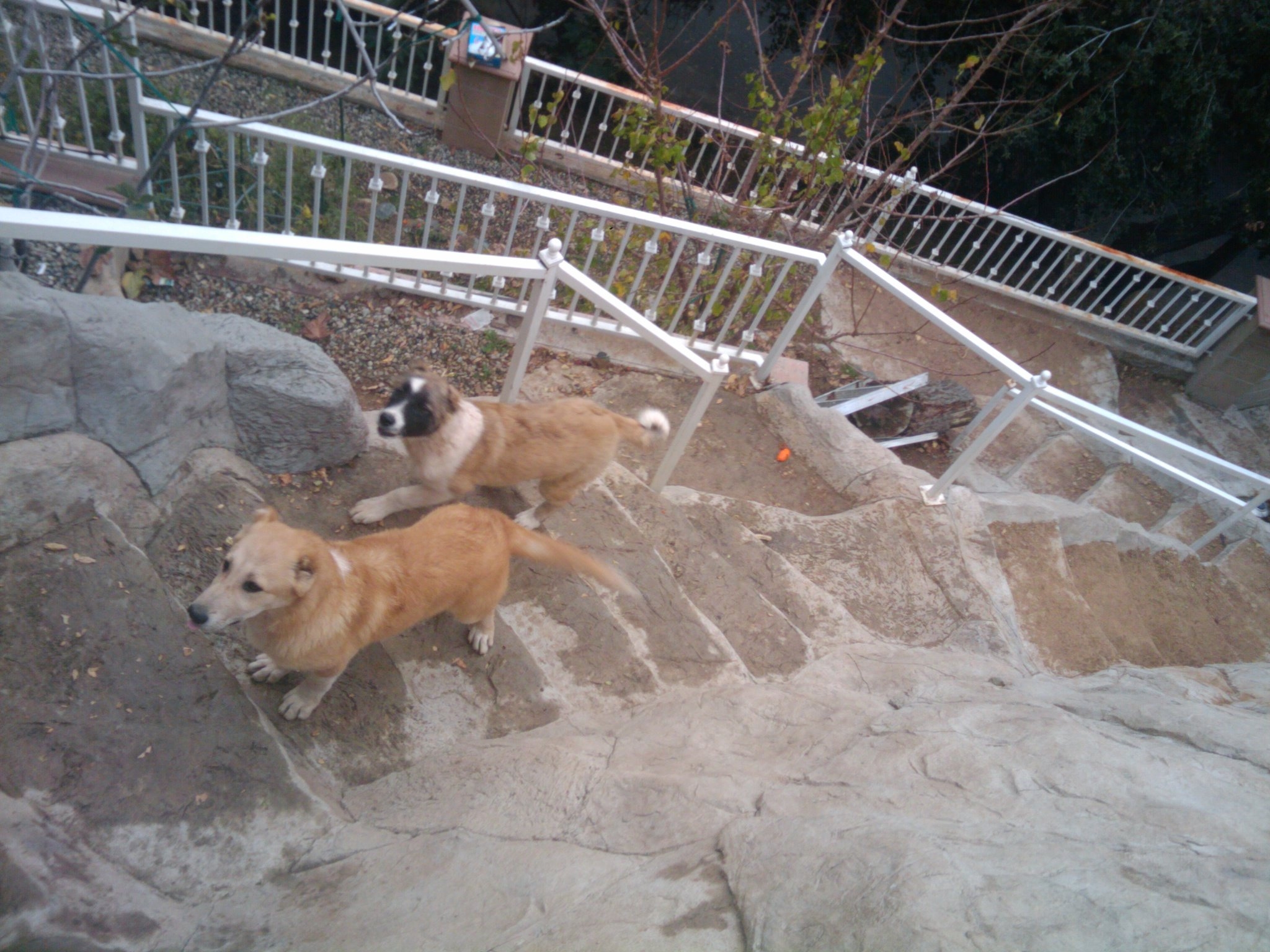
Lucy is my friends dog, name: Garo Ajemyan of Pasadena, she's in Pasadena most of the time, on the wekkends shes at Garos Ranch in Vailermo CA, and she loves it Lives in Pasadena Born (May 2009?) Owned by Garo Ajemyan Lives with sheep and other livestock, has 2 brothers in nearby area never like to use owner or have never call ourselves - since every pet in our house is part of our family - we use guardian / keeper,
-
I don't have much info on parents, the guardian / keeper of the dogs is in Armenia at this time, wan i see him next time i''ll ask.
-
at last had a chance to see Lucy's 2 brothers Hastings Ranch Ca.

-
Ojax - mez hamar da tarber haskatsutyun e... Ojaxt shen, tsux@t misht var, tiroj orhnanqn el anpakas dzer ojaxits im hargarjan barekamner jan es anuhs yergn el dzez @entsa http://www.youtube.com/watch?v=5kzIhCfE_rM
-
mi shat anush yerg ka or shat em sirum apsos original chem gtnum / hima & hima sa e / heto lav@ k@gtnem http://www.youtube.com/watch?v=bU8wWrlgZno
-
Ani jan shut Em'i het kapnvi asa vro ujegh qaminera galis. togh tnits durs chga te che k@tani......... che arden hognum em es andzrevots.. xanutum mi 7 tegh duyler enq drel, durs andzrev ners@ andzrev.. qich araj el tanist zangetsin asin tunn el jura kathum...
-
aper de el paxnelu tegh chunes uzzes chuzes uzzuma pit t@npesa gnas
-
axx che der shuta boghoqelu nor ranchn eyi nayum ( internet shat lav bane ) sirun dzuyn er galis
-
yev inch forum@ search neluts heto tesa or Mer NAnen ardne grel er 5 tary araj
-
Nane jan միանգամայն ճիշտ ես
-
հետաքրքիր մի բառի հանդիպեցյ, ՏՀԱԼ = ղավուրմա
-
Հետախուզվողը դեռևս չի հայտնաբերվել [ 2010/01/15 | 13:05 ] քրեական Արարատ Դավթյան http://hetq.am/wp-content/uploads/2009/05/07_05-nazareth-berberian.jpgԱմերիկահայ գործարար Նազարեթ Հագոփ-Բերբերյանի սպանության մեջ մեղադրվող երրորդ անձը (անունը չենք հրապարակում նախաքննության շահերից ելնելով) դեռևս չի հայտնաբերվել, թեև վերջինս, ինչպես վստահեցնում է ոստիկանության Կենտրոնի բաժնի պետ Աշոտ Կարապետյանը, չի կարողացել հատել հանրապետության սահմանները: Նազարեթ Բերբերյանի սպանության մեջ մեղադրվում են 3 անձ: Նրանցից առաջինը` Բերբերյանի ընկեր Պետրոս Թեմիրյանը, ձերբակալվել էր սպանությունից օրեր անց: Հենց նա էլ իրավապահներին հայտնել էր դիակի տեղը: Մյուս մեղադրյալը` Կարեն Դալլաքյանը, ամիսներ անց հայտնաբերվեց Ռուսաստանի Դաշնության մայրաքաղաքում` Մոսկվայում: Վերջինս բարերար Բերբերյանի հետ ուղիղ կապ չի ունեցել և եղել է Պետրոս Թեմիրյանի ընկերը: Աշոտ Կարապետյանի խոսքերով` Կարեն Դալլաքյանը բուն սպանության գործընթացում ավելի լուրջ մասնակցություն է ունեցել, քան Պետրոս Թեմիրյանը: Գործի քննությունը գտնվում է ոստիկանության Կենտրոնի բաժնի վարույթում: Կենտրոնի ոստիկանապետ Կարապետյանն ասում է, որ այս երկու մեղադրյալների մասով քրեական գործը հունվարի վերջին կամ փետրվարի սկզբին մեղադրական եզրակացությամբ կուղարկվի դատարան: Իսկ երրորդի` հետախուզման մեջ գտնվողի մասով քրեական գործից անջատվել է առանձին վարույթ, որով նախաքննությունը կշարունակվի: Հիշեցնենք, որ «Լիլ-Նար» ՓԲԸ-ի տնօրեն, 1951 թ. ծնված ԱՄՆ քաղաքացի Նազարեթ Բերբերյանը 2009 թ. ապրիլի 25-ի երեկոյան դուրս էր եկել իր բնակարանից և այլևս չէր վերադարձել: Նրա «Տոյոտա» մակնիշի ջիպ ավտոմեքենան հայտնաբերվել էր «Զվարթնոց» օդանավակայանի ավտոկանգառում: Ավելի ուշ, մոտ 20 օր անց, Երեւան-Սեւան մայրուղու 25,5 կմ հատվածում` ճամփեզրի ձորակում, իրավապահները հայտնաբերել էին գործարարի դին: Սպանությունը կատարվել էր խեղդամահ անելու եւ «Կետամին» դեղամիջոց ներարկելու միջոցով: Այնուհետեւ հանցագործները հենց Բերբերյանի ջիպ ավտոմեքենայով դիակը տեղափոխել էին Երեւան-Սեւան ճամփեզրի ձորակ, իսկ մեքենան տարել օդանավակայան` տպավորություն ստեղծելով, իբր Բերբերյանը մեկնել է արտերկիր: Ավտոմեքենան եղել էր լիովին սարքին, չթալանված, նույնիսկ գործի է դրված եղել անվտանգության ձայնաազդանշային համակարգը:
-
Ապօրինի փայտանյութ [ 2010/01/15 | 17:34 ] քրեական http://hetq.am/wp-content/uploads/2010/01/15_01-payt.jpgՆախօրեին ոստիկանության Ստեփանավանի բաժնի ծառայողները Գարգառ գյուղից, «ԶԻԼ» մակնիշի ավտոմեքենայով հանդերձ, բերման են ենթարկել 1969 թ. ծնված Գարիկ Ա.-ին: Վերջինիս վարած ավտոմեքենայի թափքում հայտնաբերվել է շուրջ 6 խմ փայտանյութ` առանց համապատասխան փաստաթղթի: Նյութերի նախապատրաստման ընթացքում պարզվել է, որ Գարիկ Ա.-ն փայտանյութը բարձել է Գյուլագարակի անտառպետության թիվ 7 պահաբաժնից: «Հանգամանքները պարզվում են, կատարվում է հետաքննություն»,- տեղեկացնում է Ոստիկանության լրատվության վարչությունը:
-
Bloody Anniversary: Baku pogroms 20 years ago January 13 http://www.armenianow.com/sites/default/files/img/imagecache/600x400/pogroms.jpg Photolure archive photo Soviet army soldiers helping refugees leaving Baku after the pogroms. By Aris Ghazinyan ArmeniaNow reporter Twenty years ago today, January 13, the slaughter of Armenians in Baku started and continued for a week before it was stopped by Soviet troops brought into the city. The killings – which left an estimated 300 dead – was the response of Azerbaijan authorities to Armenia’s efforts to reclaim Nagorno Karabakh (the ethnic Armenian territory that had been handed over to Azerbaijan when borders were redrawn under the Stalin regime). Up to this day the exact number of Armenian victims is not known, because no one specifically kept an account during the pogroms. Within several days no Armenian was left in Baku – a city that was once home to 250,000 Armenians. The refugees fled, leaving behind all their belongings and eventually finding refuge in Georgia, Russia, Armenia. This is how Baku-native world chess champion Garry Kasparov, whose mother is Armenian and father is Jewish, recalls the events of two decades ago: “I will never forget that day. Unimaginable horror overwhelmed Baku. Bandits knew exactly where Armenians lived. People were robbed and killed. Men, women and children were beaten to death in their yards, young girls were raped and burnt alive. Of course, I had already decided to leave Baku, but was trying to find a way to save my family, relatives and friends. I ordered a plane from Moscow. The telephone kept ringing non-stop – people were calling pleading to save them”. According to Human Rights Watch Rapporteur Robert Kushen “the pogrom-makers had the lists of the Armenians and their addresses”. The day before the pogroms started the president of the Soviet Union Mikhail Gorbachev said: “Nagorno Karabakh’s demand for self-determination will inevitably question the fate of 250,000 Armenians living in Baku”. A week later the Soviet army under General Alexander Lebed stormed Baku and practically saved the rest of the Armenians. They were transported on a ferry boat to Krasnovodsk (currently Turkmenbashi) in Turkmenistan. The international community did not condemn the Baku massacre.