BillMilhomme
-
Posts
24 -
Joined
-
Last visited
BillMilhomme's Achievements

Newbie (1/14)
0
Reputation
-
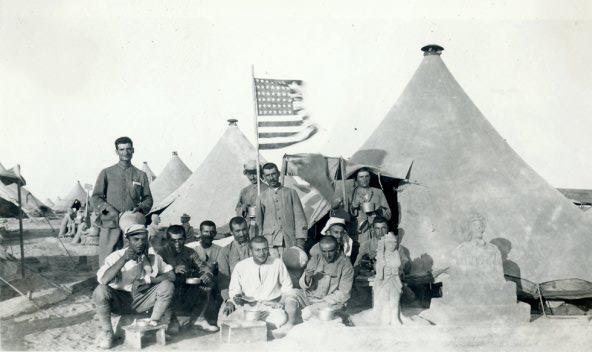
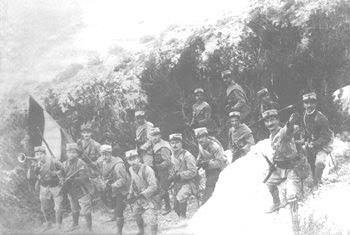
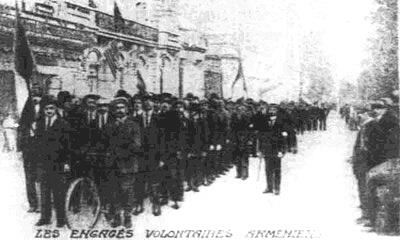
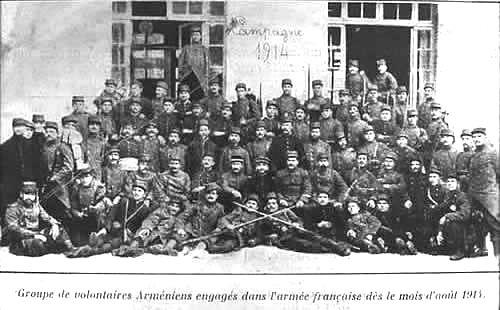
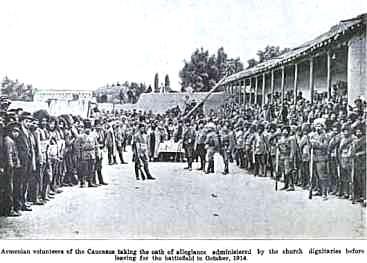
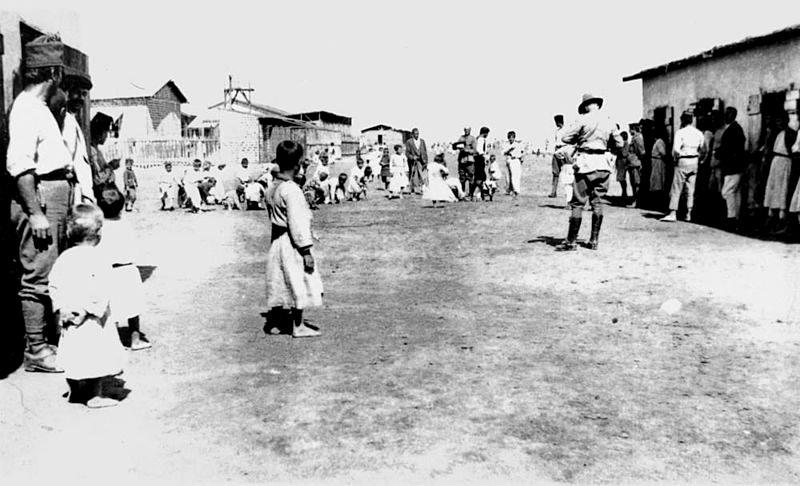
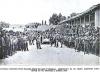
The Armenian Legion was formed in 1916 and was disbanded in 1920, a four year period in which momentous changes were taking place for the Armenians and for the world. The Armenians passed though a Genocide, through the Russian revolution, to the formation of the first Armenian Republic in 1918, to the communist take over of Armenia, and its eventual absorption into the Soviet Union. The courageous volunteers of the Armenian legion risked their lives to secure a better future for the Armenians. The noted Boghos Nubar ***** first formulated the idea of Armenians fighting alongside Allied troops in World War I. Boghos Nubar had traveled to Europe as head of the Armenian National Delegation, where he persuaded the Allies to allow the formation of an all-volunteer Armenian unit, with the sole purpose of “liberating Cilicia from Turkish rule.” The Legion d’Orient (a neutral name that was chosen for the Armenian unit so as not to antagonize the Turks and endanger the lives of Armenian deportees in Syria) was established, under French military supervision in November 26, 1916, with the formation of its first battalion. The training of Armenian volunteers began at Port Said, Egypt. It is likely Port Said was chosen because of its proximity to the Armenian refugee camp where thousands of exiles from Musa Dagh were relocated after being rescued by the French navy in September 1915. Later the Legion training camp was moved to Cyprus, where volunteers from the United States and Europe joined the ranks. Close to 5,000 men were being trained by early 1917. More Armenian research http://milhomme.blogspot.com/2012/04/1915-boston-globe-armenian-massacre.html







-
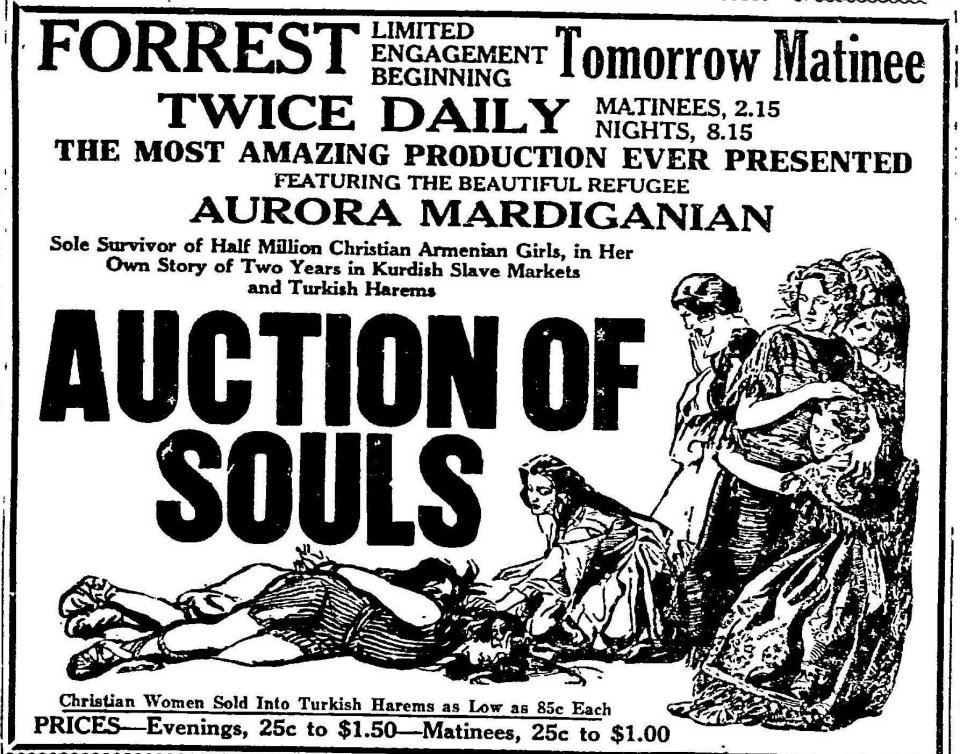
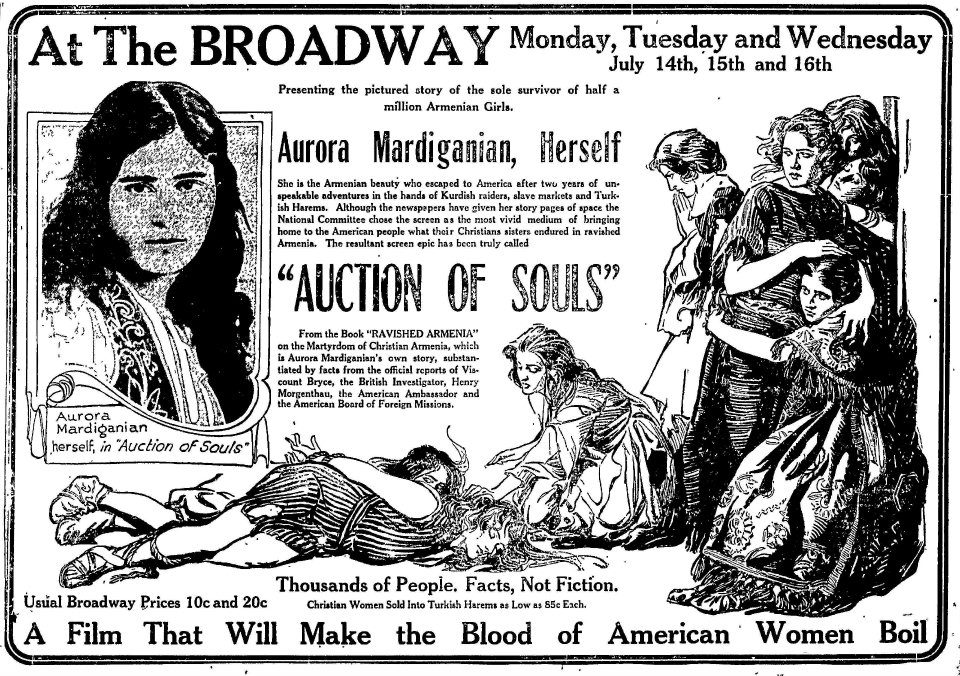
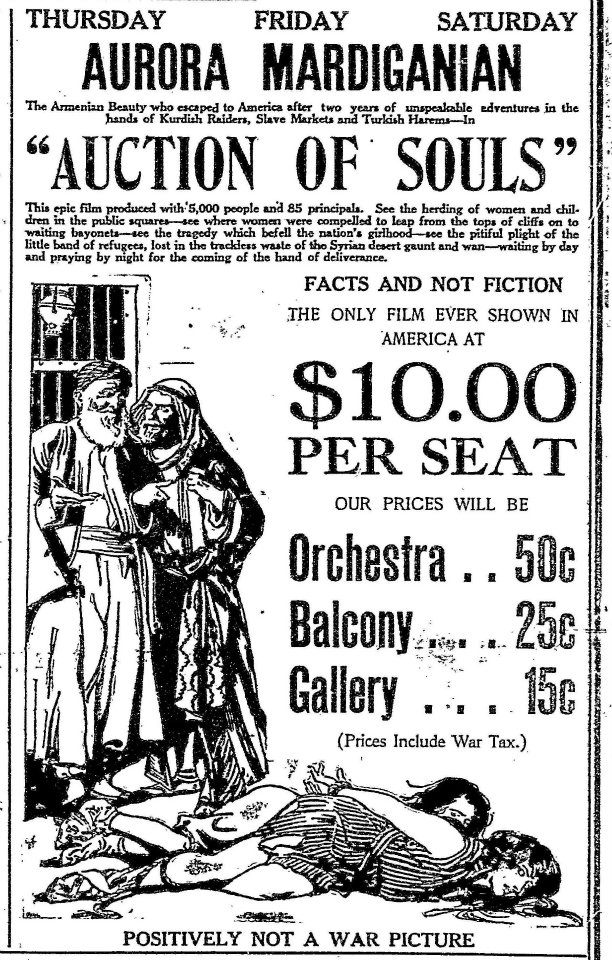
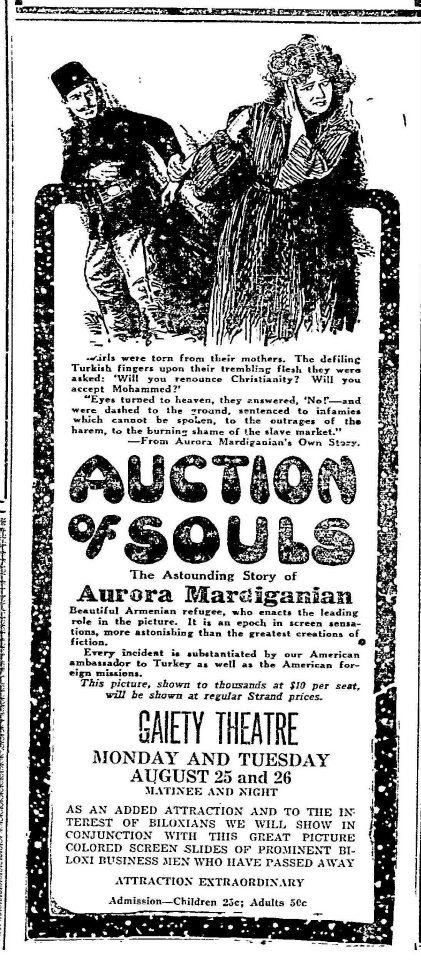
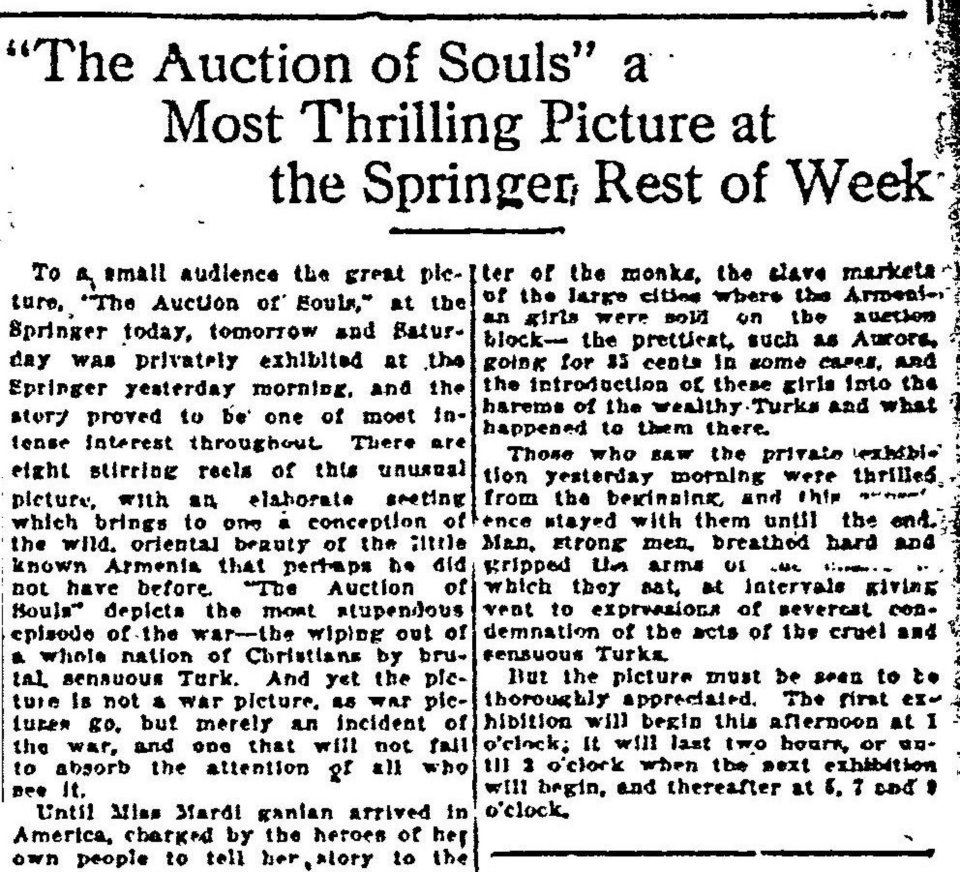
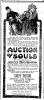
In 1919 a film title "Auction of Souls" was released. The film was based on a book entitled Ravished Armenia, the story of Aurora Mardiganian, who plays herself in the film. This first feature film on Armenia, was directed by Oscar Apfel in New York. The book Ravished Armenia was written by H. L. Gates, the story of Aurora Mardiganian published in 1918 in New York. It was produced by William N. Selig after a scenario by Nora Waln and Frederick Chapin with Mardiganian playing herself and Irving Cummings playing Antranig. A few feet of film are reportedly preserved in archives in Armenia. The Armenian and Syrian Relief organization sponsored the film and helped publicized it; posters and newspaper advertisements are preserved




-
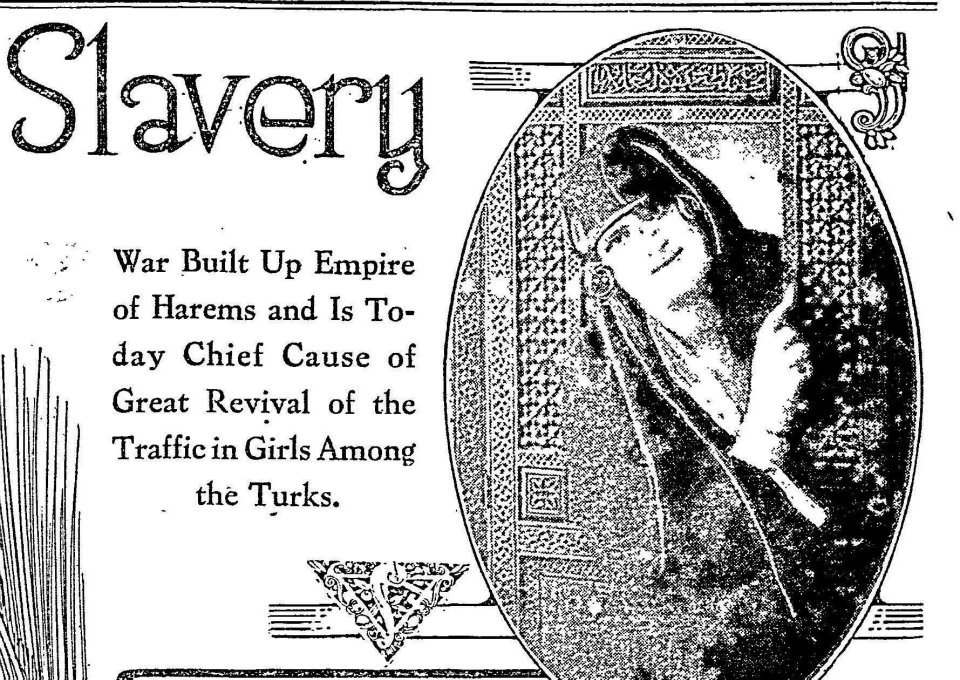
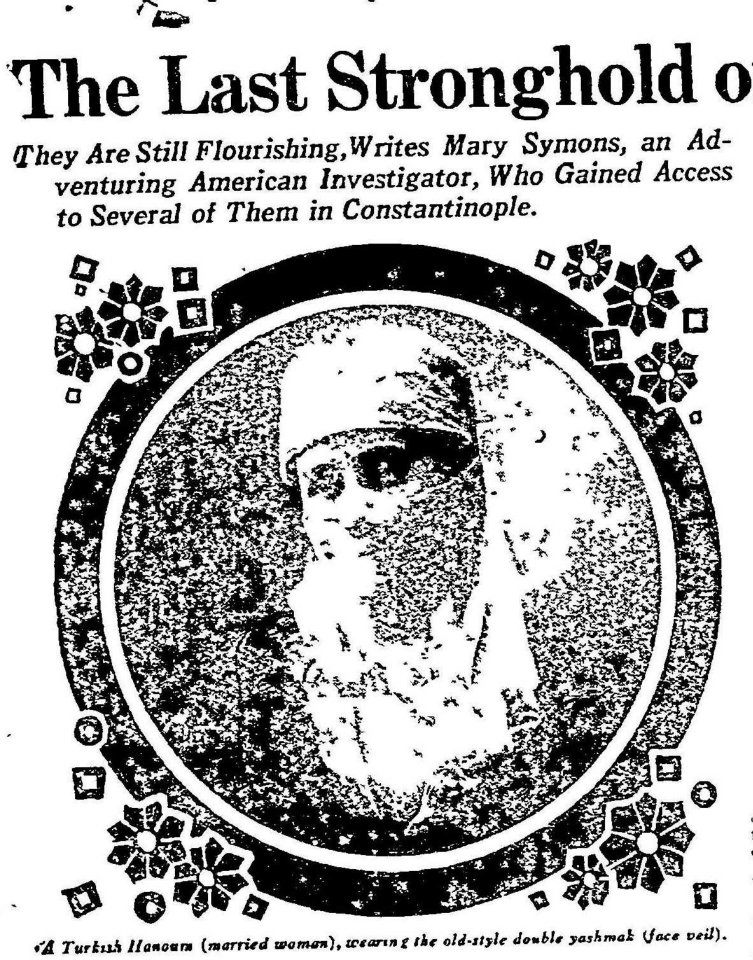
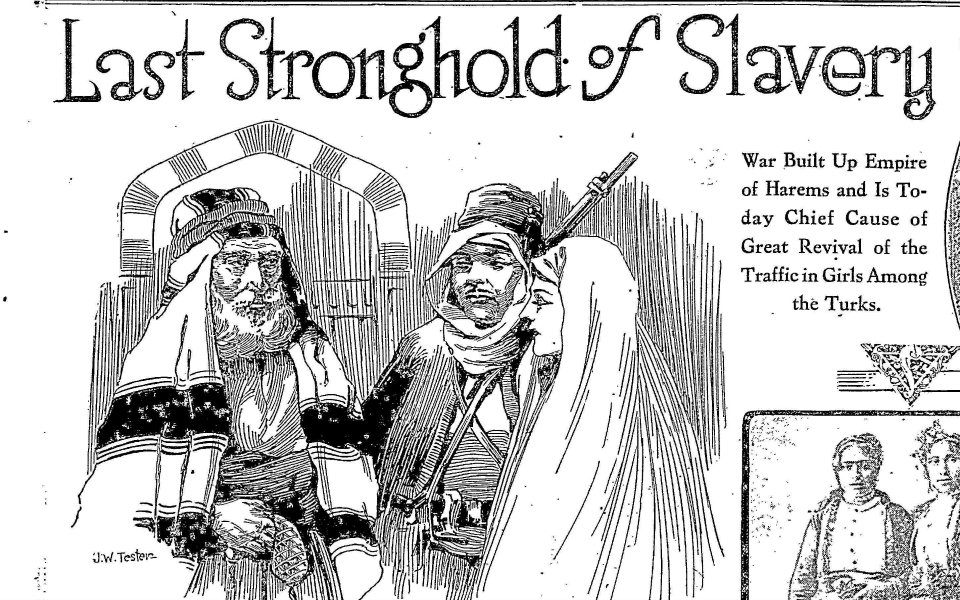
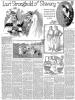
American newspapers 1915-1922 reported on many facets of atrocities suffered by Armenian young women. Many Armenian survivor stories bespoke of abduction and harems. Mary Symons was a journalist of the era that reported on the subject. More research at http://milhomme.blogspot.com/2012/05/auction-of-souls-made-blood-of-american.html


-
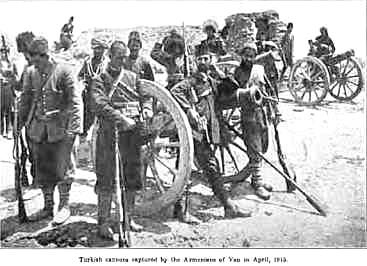
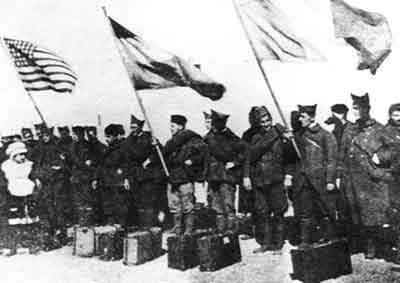
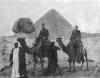
U.S. Army Captain Jim Chankalian was born Bedros Chankalian (Armenian: Պետրոս Չանքալյան) in Dikranagerd Western Armenia. At a young age, he emigrated to the United States with his family. He graduated from an American high school, then entered a military academy to become an officer in the U.S. Army. In 1898, he participated in the Spanish-American War. He was honored for his bravery and became a captain in the U.S. Army. The activity of the Armenian political parties had undoubtedly reverberated in the American-Armenian community from the standpoint of the national liberation movement. Moreover, the popularity of the Reformed Hunchak Party, without a doubt, had aroused Chankalian’s interest and motivated him to join that organization. Already a seasoned soldier in the U.S. Army, Chankalian also became a well-known figure in the Armenian community of New York. After resigning from his rank of captain, he was offered an important position with Powers Co. He ably performed the job he had taken, which ensured him a comfortable living. In 1915, the Reformed Hunchak Party, in cooperation with the [[Regional Committee of the Constitutional Democratic [Ramgavar] Party of the United States]], decided to send Jim Chankalian on a special mission, first to the Caucasus and then to Van. Chankalian gladly accepted the proposition, giving up his high position and comfortable station in life. Taking with him a group of experienced volunteers, who had come from Western Armenia, he reached Van at the designated time and was greeted there by the brave leader of the successful heroic self-defense, Armenag Yegarian. After consulting with Yegarian, Chankalian put his extensive military experience in the service of the heroic struggle of the Armenians of Van and became Yegarian’s advisor and immediate co-worker in the formation of the Yerkrapah [Defenders of the (Father) Land] Regiment. With the satisfaction of having fulfilled his obligation, Chankalian set out for the Caucasus, where he had intended to join General Antranig’s forces. In 1917, Chankalian returned to the United States, having fully performed the mission entrusted to him. But he had barely become situated, when he found out about the plan of the formation of the Armenian Legion. Owing to special arrangements made by the French government and army, it was projected that this legion should depart for the Palestinian front, to fight alongside the Allies (France, England and Russia) against the German and Turkish troops that were allied on the other side. Chankalian, who enjoyed the unreserved respect and esteem of the American-Armenian community and Armenian political parties, was appointed leader of the detachment consisting of American-Armenian volunteers, which was to join the Armenian Legion. The main dream of the Armenian soldiers was the formation of an autonomous Armenia under French mandate, at the cost of the blood to be sacrificed by them. The Armenian National Union formed in Egypt and the Armenian National Delegation had secured such a promise from the French authorities. The natives of Musa Dagh, who had found refuge in the seaside town of Port Said, Egypt, formed the nucleus of the Armenian, or Foreign Legion. On July 9, 1917, Chankalian, along with the volunteers under his charge, boarded a French ship headed for Marseilles. From there, he went to Port Said and joined the nucleus of the legion; all together, they departed for Cyprus, where volunteers from all parts of the world wishing to join the Foreign Legion were assembled for training.The trained detachments were divided into three companies, or battalions. By order of General Allenby, the commander of the combined troops of the Allied powers operating on the Middle Eastern front, the Armenian volunteers were transported to Palestine on September 14, 1918, where five days later they went on the attack against the German and Turkish forces in Arara. The first line of the front, from the Mediterranean to the Jordan River, headed by Chankalian, was occupied by the detachments comprising the American-Armenian volunteers; with a minimum loss of life, they achieved the glorious victory at Arara. World War I ended in November 1918. The Armenian volunteers were transferred from the Palestinian front to Beirut. From there, British ships took them, in groups, via Alexandretta (Iskenderun) to the mountains and plains of Cilicia. The legionnaires were greeted in Adana with Armenian tricolor flags. TheThe Turks already appeared to be disillusioned. In the overall prevailing atmosphere, it seemed an easy task to the fighters of the Armenian Legion to take all of Cilicia under their control. The execution of the plan to have an autonomous or independent Armenian Cilicia was undertaken with (Mihran) Damadian’s leadership. In order to crown such a plan as this with success, it was necessary to have a solid fighting force which could become a reality, with the assemblage of such battle-tested heroes as Chankalian, Antranig, Yegarian, (Yesayi) Yaghoubian, etc. However, the Allied powers had a different intention. They resorted to various measures, in order to prevent the entrance of Antranig, Yegarian, and the others into Cilicia. Convinced that the plan of having an Armenian state in Cilicia would remain unattainable, a disappointed Chankalian returned to the United States, but not before having recorded brilliant pages in the history of the Armenian liberation struggle and World War I. Subsequently, as one of the leading figures of the Democratic Liberal Party in America, Chankalian traveled to all the cities with large Armenian concentrations, especially those in California, in order to organize efforts to raise funds in support of the first Republic of Armenia. In order to give a greater impetus to his efforts on behalf of the homeland, Chankalian became the driving force behind the formation of the American-Armenian National Council and served as its president. He also became the first president of the Central Committee of the AGBU of America, and he devoted his time and service to the Armenian Church as well. This great patriot, endowed with exceptional military prowess, passed away in New York in 1947 at an advanced age, leaving behind him a great and unforgettable legacy of sacrifice made for his nation. More Armenian History Stories 1890-1924 http://milhomme.blogspot.com/2012/05/auction-of-souls-made-blood-of-american.html


-
It is estimated that over 1.5 million Armenians met their death by massacre, murder, starvation, and torture during this era. Alma was a survivor in a caravan that was force marched for sixty-five days and witnessed over 17,850 casualties. Samuel, residing in Foxboro during the war and prohibited from traveling at the time, would discover that all the members of his immediate and extended families in Aghin had been killed, except for Alma. “From Aghin” is an account of Alma’s fortitude, acumen and survival instinct interwoven with the determination of Samuel to rescue his brother’s daughter and return to America. Samuel K. H. Sakaian was born in Aghin, Turkey on March 15, 1863. The village was located on the banks of a tributary of the Euphrates River and nearby the ancient city fortress and then provincial capital of Harput. The region was mainly populated by Turkish and Kurd Muslims and Orthodox Armenian Christians. A small number of Protestant Armenian Christians that resided in this area were the focus of American Congregational missionary evangelization. The Bethany Congregational Church of Foxboro generously supported the missionary work in this province and fostered the settlement and employment of Armenian immigrants in the town. In 1889 Samuel Sakaian, like many young married Armenian men of the era, immigrated to Boston, Massachusetts in search of employment. The majority of these men, Sakaian included, left their wives and children in the care of extended families. In 1890, Sakaian came to Foxboro by the assistance of Thomas B. Bourne, a Bethany deacon. He was hired as a carpenter by Caton Bros. Bixby and Hat Company, where a number of Armenians were employed in the napping of hats. In the summer of 1894 the first of series of massacres against Armenians broke out in the remote region of Sasun in southern Turkey. Two years later, the atrocities had spread south through nearly every major Armenian town and village, including Aghin. Estimates of the dead run from 100,000 to 300,000 and tens of thousands fled the country. The associated plunder of homes and businesses economically ruined countless families, and the destitute numbered in the hundreds of thousands. At this time, the trans-Atlantic cable provided same day telegraph communication between the United States and Europe. But communication between Foxboro and Aghin depended on handwritten letters delivered to Christian missionaries travelling overland throughout Turkey. Letters were frequently lost and those that reached its destination could take months. When Sakaian received news of the massacres he was determined to return to his family in Aghin. Between the years 1894-1900, Sakaian made three attempts to reach Aghin. The news reporting of the Foxboro Reporter provides a sense of Sakaian’s distress, fear and frustration for the safety of his family. In an article dated August 25, 1894, titled Off for the Holy Land, the Foxboro Reporter informed its readers, “Samuel H. K. Sakaian left Foxboro on Tuesday of this week for Worcester, from whence he will go to New York, and from there he sails on Wednesday, August 29th, for London. From London, England he goes to Paris, France, from Paris to Marseilles, France, and from Marseilles he boards a ship, which will carry him to Antioch, in the Holy Land. At Antioch, he will buy a horse at an expense of about $25, on which he will be obliged to ride for 15 long days before he reaches his home in Central Armenia, near Mount Ararat. At Antioch he will also hire an ass and its owner. On the back of the animal will be carried his carpenter tools, which weigh several hundred pounds. These will be divided and packed in two boxes, each holding about an equal number of pounds in order that they may be carried to better advantage. All along the route are located inns, at which travelers purchase necessities for man and beast.” “Samuel has resided in Foxboro for 4 years and it is 4 ½ years since he left his native land. During his absence a daughter 6 ½ years of age has died. He has three brothers and one sister, all married and all residing in the same house with his family. He was 55 days on his journey to this country, but expects to return in 40 days, under increased facilities, and with less delay along the route. During his residence here he has gained many friends and carries back to his country the best wishes of all who know him. He also carries back knowledge of various things as done in this country, which will be of great value and lasting benefit to him. He wishes to extend his thanks to the many people here who have befriended him either by word or deed. It is a long and tedious journey, which he starts upon, and one beset by more or less danger.” Unfortunately, Sakaian was unable to gain entry into Turkey on this initial journey. One year later, in an article dated September 14, 1895 titled The Second Time, the Foxboro Reporter related, “... Once before he started on this journey but met with misfortune before sailing from Europe, and returned to America. He will carry his carpenter tools with him, which he has purchased since his return to America, his first chest of these necessaries having been stolen from him during his previous journey. Samuel wishes us to say that his heart is filled with thankfulness to the people of Foxboro for their many and great kindnesses to him during his stay among us, and we realized that his heart was filled with tender thoughts for our people who had befriended him, which could not be expressed. The journey will occupy two months or more.” A follow up Foxboro Reporter article on December 7, 1895 titled In Marseilles, aptly described Sakaian’s anxiety, “…He is in Marseilles, France, in company with quite a body of his countrymen, all being detained there on account of the terrible ravages, which are taking place in Armenia, in which over 18,000 of his people, have been massacred. It is impossible for any of them to get passports to proceed. Samuel does not know whether his family is alive or dead, as no word of any kind has been received from them. The nearest post-office has been visited by marauders, and their fearful work of murder has been going on there. He still retains his chest of carpenter tools, and will probably be able to find something to do in this line to pay for his expenses. He was followed from Foxboro by many prayers, and kind wishes, and it would be a comfort for him to know that he has still a warm place in the hearts of many in this town.” The March 14, 1896 article titled From Armenia, the Foxboro Reporter informed its readers of Sakaian’s return and news regarding his family. “…arrived again in Foxboro from Marseilles, France, last week, was closely followed by a registered letter, from his home in Armenia, receiving it on Saturday. It was the fourth, which has been received by him, out of seven letters written to him by his people. The others have probably been intercepted. He wrote fifteen letters from France to his home and to those acquainted with his people in other parts of Turkey. Nearly all of these have doubtless failed to reach their destination. The letter received Saturday was, as stated, forwarded to him from France, where he left his address upon leaving for his last journey back to the United States. It was written on Wednesday, January 15th and stated that his wife and son, his three brothers and their families, 15 persons in all, were alive, although it was previously reported that his wife was dead. This was cheering news to Samuel although the letter received was written nearly two months ago.” Foxboro’s support for the local Armenian workers and their families in Turkey is well documented by the Foxboro Reporter. On February 15, 1896 it reported, “The meeting in town hall Monday evening to raise money for suffering Armenia was fairly attended. The speaker of the evening was Rev. E. P. Allen of Portland, Maine, who was a missionary at Harput, Turkey. His lecture was intensely interesting, and a generous collection was taken.” On July 25, 1896, in an article titled “A Lecture which will Interest you,” it reported, “Mr. Samuel Malkonyan, an Armenian, a native of Tarsus, “a citizen of no mean city,” will give an illustrated lecture in Samaritan Hall upon Armenia. Lecture will commence at 7.45. Mr. Malkonyan has traveled through Armenia, has been entertained by the Kurds and Cirassians, and is now studying at Princeton Theological Seminary. He has a good command of English, and his lecture is highly spoken of. No admission is to be charged, but a collection will be taken up to defray expenses and to aid him in his work. All the incidents will be from a personal standpoint, and all who attend will enjoy a treat. Everybody has a cordial invitation to be present.” A follow up article recorded, “The illustrated lecture delivered by Samuel Malkonyan was a judicious presentation of the Armenian question. The lecture was much more than ordinary strength as a literary production. The hearers were pleased as was evidenced by a good collection.” At this time, the Foxboro Reporter reprinted a Boston newspaper article, “During the past few days, places to work have been found for about forty of the Armenian refugees through our efforts, and the Women’s Christian Temperance Movement and others have been busy, and may have been even more successful. But there are two or three hundred refugees for whom work must be found, or they will be in danger of being sent back. Anyone who wishes to employ an Armenian on a farm or in a kitchen, or otherwise, is invited to communicate with me as promptly as possible. The places found for them have been chiefly on farms. One Connecticut farmer writes that for the past fifteen years he has been employing farm hands of various nationalities, including one Armenian and that the Armenian was the best help of them all. Many refugees speak French, though few speak English. Those of our readers who live in the country will confer a favor by asking their local papers to publish this note. Alice Stone Blackwell Dorchester, Mass.” On December 5, 1896 the Reporter reported, “Rev. R. K. Harlow of Medway will occupy the pulpit (Bethany Church) both morning and evening. Special offering for the suffering Armenian Children.” Remarkably, on March 13, 1897 it described the lecture of Miss Emily Wheeler, a former missionary and resident of Harput, “Miss Wheeler, an eye witness of the terrible massacre of Armenia spoke before the Junior Societies of the Baptists, Methodists, and Congregational churches, last Sunday afternoon at 5 o’clock. In the evening at 7 o’clock she spoke before a large congregation at the Bethany Church.” On October 19, 1898, Sakaian became a naturalized citizen, and two years later he returned to Aghin. The principal reason for his return was to be reunited with his family. The improvement in social, economic and political opportunities at this time in Turkey made this reunion possible. He remained in Aghin for the next ten years. Soon after his arrival, on March 28, 1902 Alma Sakaian, his niece, was born. In general, the early years of the 20th Century were an era of peaceful co-existence between the Christian Armenians and Turkish Muslims. On July 24, 1908, the Armenians' hopes for equality brightened even more with the restoration of a constitutional monarchy. The two largest revolutionary groups during this era were the Armenian Revolutionary Federation and the Committee of Union and Progress, later known as the “Young Turks.” The Federation hoped to gain autonomy to govern the Armenian populated areas in Turkey as a state within a state. Unfortunately a counter-revolution staged by supporters of the former authoritarian government directed against the Committee of Union and Progress on April 13, 1909 severely compromised the cooperation and trust of the era. The revolt lasted only ten days, but it precipitated a massacre of Armenians in the province of Adana that lasted over a month. The Mediterranean coastal region had once been an independent Armenian state and it had been spared the 1890's massacres. Thousands of Armenian dwellings were torched and an estimated 30,000 Armenians were reported killed. Sakaian feared the Adana massacres were rooted in political, economic, and religious differences and the awakening of Turkish nationalism. A year later he left his family in Aghin and returned to Foxboro. The June 25, 1910 Foxboro Reporter article titled All Desire to Come explained his reason for his return, “… again arrived in this country from Armenia several weeks ago and who has once again settled in Foxboro, will bring his wife and other members of his family here as soon as he secures the necessary funds for them to make the long journey. Samuel has been absent ten years. He has four children living of the ten children born to them. One of these is a soldier in the army of his country. He with his wife also desire to come to America, but considerable money is required to secure his release from the army. Samuel has had varied and sad experiences since he left Foxboro, and at times has been in imminent danger of losing his life at the hands of the treacherous and wily Turks. He says he never desires to return to his native land, and life will seem worth living when his family is again here.” On August 1, 1914 Germany declared war on Russia. The following day a secret treaty of alliance was signed between Turkey and Germany. On October 29, 1914 Turkey entered the war on the side of the Central Powers. Turkish and German military leaders feared a potential alliance between Armenians and Russians. The fear resulted in an increase in civil and political actions against Armenians which culminated in a defining event on April 24, 1915. On this date military authorities arrested and executed 250 Armenian intellectuals and community leaders in Constantinople. Thereafter, the authorities removed Armenians from their villages and force marched them in caravans for hundreds of miles towards the deserts of Syria. It is estimated that1.5 million deaths resulted from the atrocities and deprivations inflicted upon the Armenians at this time, including 25 members of the Sakaian families from Aghin. On July 1, 1915 thirteen year old Alma Sakaian along with her three sisters, a brother and mother left the village of Aghin in a caravan of women, young children and old men. Alma’s father, two older brothers, and all the male members of her village over the age of 16 had been brought together several days earlier, blindfolded and executed by authorities. The caravan of 18,000 embarked upon the ancient Roman trade route built alongside the river banks and gorges of the Euphrates River. Sixty-five days later, Alma numbered among the 150 survivors that traversed the footpaths over the Taurus Mountains, forded the Euphrates River at the olden city of Samsat and walked the desert sands between the cities of Urfa, Viran Shehr, and Ras-ul-Ain. In a 1978 Foxboro Reporter interview titled “An Armenian refugee’s 60-year-old tale of tragedy,” Alma recalled her experiences. She related how the Armenians of her village were uprooted from their homes and told to take only what could be carried on their backs and donkeys or horses. How they were herded from their homes and soon stripped of their animals as they headed towards the deserts of Syria. She described how on the march she passed by the dead bodies of hundreds of fellow countrymen who had been massacred. She recalled many distressed mothers that were separated from the children by abduction. She remembered witnessing women, particularly those who had babies with them, stopped to rest by the road and how often times they were killed as they sat there, for they delayed the progress of the march. She told of the many children and women that died of thirst when they were driven into the desert. Alma described how she came to be sold to a wealthy Arab. After several days of aimless traveling in the desert she lagged behind the caravan to attend to her younger brother. She described how without any warning a soldier on horseback came upon them and struck them with a ball and chain. The beating was so severe that they were left for dead. Alma survived the attack however her brother died from his injuries. Convinced that she would die alone in the desert, she left her brother’s body, and followed the tracks left behind the caravan. Alma said that what she witnessed next was worse than the beating. From a distance she witnessed hundreds of Armenian refugees being burned to death in their rudimentary shelters while soldiers stood guard ready to shoot any person that tried to escape. Alone in the desert for several days after tragic immolation, she was picked up by Arab slave traders. She was soon sold into the household of a wealthy Arabian and his wife, where she became a personal maid to the lady of the house. Alma recalled that the Arab was very kind and gave her work in the kitchen. Three years later when the Armistice was signed, and everything was under English control, the Arab asked Alma whether she wanted to stay in his house or go into English hands. She wanted to go, so he took her over to the English where she was placed with other orphaned refugees in a large building under English hands. Alma’s name and origin were placed in area newspapers, including the Boston Globe. Samuel Sakaian, while visiting a friend in Watertown, Massachusetts, was informed that his niece was alive and interned in an orphanage. A short time later, On July 7, 1919, Samuel, aged 56, received his passport to visit Turkey. His purpose stated on the application, “To find my wife and children, if living and to see if any property is left to me.” Articles published in the Foxboro Reporter over the next four years recorded Samuel’s journey to rescue Alma and bring her home. On July 19, 1919 the Foxboro Reporter recorded, “Samuel Sakaian has had under consideration for some time a trip to his native country, Armenia. His object in making the trip is to locate if possible his wife and family, not a word from who has he heard for years. Samuel came to this country in 1889, made a return trip in 1900, returned to America in 1910, and now will again cross the water in 1919, and we trust there will be luck in odd numbers. He had a large number of relatives and has always held the opinion that many of them were victims during the Armenian massacre. He is undecided as to his future labors, but may devote his remaining year to the interests of his Armenian country and people.” On November 29, 1919, the Foxboro Reporter recorded, “The many friends of Samuel K. H. Sakaian will be pleased to learn that he has reached his native land in safety. We present our readers with a letter received from him dated October 20th, which is as follows: “I am in Constantinople. I was New York to Constantinople twenty-one days on the water. We had a nice journey, nice food, nice bed; everything was good. My fare from New York was $305. My health is good. By and by I will go to the English Consul to show my passport. Went to the American Consul, but he told me to go to the English Consul, because everything is in English powers hands. I think I will stay here this winter, but sometime I will see the English Consul to get advice to go to Aleppo. I found my brother’s daughter. All the Armenian people have been without any clothing: all women, girls and boys, have been undressed: nothing to cover themselves. I do not want to write all the things, and I am not able to write. Thousands died of hunger and thirst, and many of them threw themselves into the river and killed themselves. I am sorry I am not able to write long letters, but I hope you will be satisfied. Best regards to you all. You cannot send any letters to me now.” In Constantinople Sakaian was employed as an interpreter for the English army. He soon learned that his wife and children, his brothers and their families had been massacred. The English authorities located the orphanage where she was interned and had her brought to Constantinople. Samuel did not recognize Alma at first, as she was a little girl the last time they had met. He later recalled, “I found her, the only one I have left. She was penniless and had only on a robe which an Arab had given her to wear.” Alma remembered him and told him of her experiences. Samuel and Alma remained in Constantinople for four years. He remarried and decided to return to Foxboro. The May 12, 1923 Foxboro Reporter article titled, Samuel Sakaian Returns From Turkey, described his journey. “Mr. Samuel Sakaian, a former resident of Foxboro, returned Wednesday after a sojourn of almost four years in Turkey. He experienced numerous difficulties in securing passports for passage both ways, notwithstanding, the fact that he was an American Citizen, the trouble between Armenians and Turks since the war has made it practically impossible for an Armenian to live in Turkey. His plan was to go to Harput in Asia Minor to locate his family. When he arrived, he learned that all members of his family, numbering 25 in all, which included his four brothers and their families, had been “sent down South”; in other words, massacred by the Turks. Mr. Sakaian does not want us to think, however, that all Turks are cruel as he tells us that some are humane…After the Greeks had driven the Turks back and Smyrna was burned, the Turks got power enough to drive all foreigners of every nationality out of Constantinople. Many Americans, English, Italian and French were rushed out of Constantinople by train and boat. After the foreigners were driven out of Constantinople, there was very little disturbance, so Mr. Sakaian was told by the American Consul that he could stay longer if he wished but that it would be better to come back to America. He experienced many difficulties in securing the passport as his was taken from him by the Turkish government on the grounds that it “was against International Law” for Mr. Sakaian to become an American citizen without notifying the Turkish consul in this country. In order that Mr. Sakaian might get safely aboard the steamer for New York, he was referred to the American Ambassador. Because of his marital status, immigration officials recommended he leave his niece and then send for her a few months afterward. When the appointed time came, the Ambassador had his “qavas” or military orderly escort him to his ship. Mr. Sakaian states that he is glad to be back in Foxboro again, and that he proposes to stay this time.” Alma’s immigration was also fraught difficulties. Aboard a Greek ship that docked in Ellis Island in New York, she and about 50 other Armenians were denied entry because of filled quotas. The ship returned across the Atlantic, not to her home but to the home of the ship. In Greece for a month with little money, Alma managed to scrape by until it was time for another try. However, when custom officials looked at her passport picture, taken early in Alma’s life, they balked, thinking it was a forgery. They were convinced that the woman they saw was not the child of the picture, even though only a couple of years had elapsed. Alma recalled telling them, “If you were in my place, you’d look older, too.” An October 6, 1923 Foxboro Reporter article titled, “Mr. Sakaian Misses Ship Diverted From New York To Providence: Armenian Immigrant is Finally Admitted,” described Alma’s ordeal. “She arrived at Ellis Island on June 30, only to find that the quota from her country had already arrived. She was sent back to Europe and her money refunded. Congressman Louis Frothingham took up the matter and she was allowed an entrance. She took passage again on the steamship Canada due to arrive in New York last Monday. This vessel was diverted to Providence where it docked on Sunday. Samuel Sakaian went to New York on Monday to meet his niece. She landed in Providence on Sunday. Unable to speak a word of English except “Foxboro” and “Sam,” Alma found her way to Attleboro with the assistance of helpful attendants and train conductors. There she was taken care of on Monday night by the Y.W.C.A. and finally arrived here safely on Tuesday.” A year later, Alma H. Sakaian “gowned in grey Canton crepe with hat to match” and Archie Shahabian married in the Bethany Congregational parsonage by. Rev. Archibald Cullens. The groom, also born in Aghin, immigrated to Foxboro in 1912 at Samuel Sakaian’s encouragement. Shahabian was employed by the Caton Brother’s Hat Factory and later joined the Foxboro Company. Samuel, Alma and Archie lived in Foxboro for the rest of their lives. Alma and Archie had two sons, George and John. George married Rose Tutelian and lived his entire life in Foxboro. John currently resides in California. More research and photos of Armenian History 1890-1924 on my blog http://milhomme.blogspot.com/
-
My friends, if you enjoy reading well researched Armenian history as it relates to the era 1890-1924, especially genocide related events and survivor stories please visit my blog http://milhomme.blogspot.com/2012/07/moses-gulesian-armenian-immigrant-saves.html Bill Milhomme 1919 National Geographic.pdf 1919 National Geographic.pdf
-
Arpa, I apologize if I gave the impression of "shameful" regarding the Armenian historical experience. In fact, as a historian whose specialty is anti-Catholicism, my focus is "remembrance" of the sacrifices and struggles of those men, women and children who are the canvas of the on which each one of us is painting our own personal history. It is only by appreciating and understanding the sadness and joys of history are we able to build a better a better world. We should commemorate and memorialize those whose blood flows through our veins. Please visit my blog and check out some of the many historical stories I have "mined" from research and present to the future as sign posts to be aware of the fragile-ness our present. There is no shame associated with events of the past, only hope for the future. Tell My story.docBlog < milhomme.blogspot.com > Cheers
-
Clarification Q & A I have been researching this true story for several years. In fact "the Forgotten" is not only a completed screenplay (movie script) but a novel that is in progress. Q - Are you looking for readers, translators, interpreters as of today or during those 100 years ago? A -I am looking for readers to critically review the screen play (movie script and/or staged drama). The goal is to present a true, remarkable and heroic story intended to renew and affirm interest in Armenian history, especially as the 2015 100th anniversary of the genocide approaches. Q - Were those letters written in English as you have them? A - The letters are examples of published newspaper articles from my home town of Foxboro, Massachusetts, USA. Q - What is the meaning of "screenplay"? Are we talkimg about (staged)"drama" or a "movie" script? A - "The Forgotten" is a completed movie script and/or staged drama script. Additionally there is a novel in progress. Goal is to locate people interested to utilize the 2015 100th anniversary as an opportunity to memorialize, celebrate, educate and encourage new scholarship regarding this period of history -- and in my case -- the historical foundation of the relationship between USA (Massachusetts) and Armenians. 1919 Sakaian Passport Application.pdf
-
Arpa, Thank you for replying. As you both know, I have been researching this true story for several years. In fact "the Forgotten" is not only a completed screenplay (movie script) but a novel that is in progress. Arpa, I will answer your questions: (1) Are you looking for readers, translators, interpreters as of today or during those 100 years ago? I am looking for readers to critically review the screen play (movie script and/or staged drama). The goal is to present a true, remarkable and heroic story intended to renew and affirm interest in Armenian history, especially as the 2015 100th anniversary of the genocide approaches. (2) Were those letters written in English as you have them? The letters are examples of published newspaper articles from my home town of Foxboro, Massachusetts, USA. (3) What is the meaning of "screenplay"? Are we talkimg about (staged)"drama" or a "movie" script? "The Forgotten" is a completed movie script and/or staged drama script. Additionally there is a novel in progress. Goal is to locate people interested to utilize the 2015 100th anniversary as an opportunity to memorialize, celebrate, educate and encourage new scholarship regarding this period of history -- and in my case -- the historical foundation of the relationship between USA (Massachusetts) and Armenians.
-
-
-
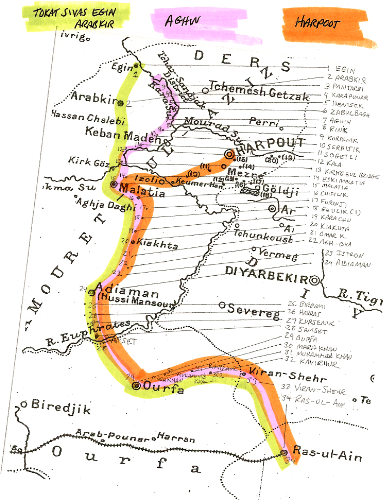
Recently completed screenplay based on the true story of the 1915 Armenian deportation, survival and rescue of Alma Sakaian by her US naturalized uncle Samuel Sakaian. Seeking assistance to locate interested parties to read script. Samuel K. H. Sakaian, was born on 15 March 1863, in the village of Aghin, in the province of Harput, Turkey. He arrived in Foxboro, Massachusetts in 1890. His wife and two children remained in Aghin. Between 1895 and 1919 he attempted to return to his village four times. During the 1894-1896 massacres he twice was unsuccessful never being allowed to leave France. A third attempt was successful and he remained in Aghin for ten years returning after the 1909 massacres in Adana. Each time Sakaian came to America he promised to send for his family. After the outbreak of WWI he returned a fourth time and discovered that his entire family had been destroyed. He learned of a surviving niece, Alma Sakaian. Alma was among the 150 survivors of a caravan that started out with 18,000 men, women and children. Her 65-day journey began in Aghin, situated on the upper Euphrates, traveled south to Malatya, over the mountains to Kiahta, and Aidiaman. Crossing the Euphrates at Samsun, the caravan reached Oufra, Ras ul Ain, and finally Aleppo. She was the sole survivor of her family. With covert assistance by missionaries, relief workers and government officials, Alma is located and is rescued by Samuel Sakaian and brought to Foxboro. In addition to the two parallel Sakaian stories, the behind the scenes activities and involvement US Ambassador Morgan Morgenthau, Aleppo US Consul Jesse Jackson, Harput US Consul Leslie Davis, and James L. Barton, Foreign Secretary of the American Board of Commissioners for Foreign Mission in Boston (former president of Euphrates College) to assist deportees is revealed. Sample of research: 1895 December 7 Foxboro Reporter, article titled In Marseilles Samuel K. H. Sakaian, who left Foxboro on Thursday, September 12th, intending to proceed directly to his home in Armenia, has just been heard from by Thomas B. Bourne. He is in Marseilles, France, in company with quite a body of his countrymen, all being detained there on account of the terrible ravages, which are taking place in Armenia, in which over 18,000 of his people, have been massacred. It is impossible for any of them to get passports to proceed. Samuel does not know whether his family is alive or dead, as no word of any kind has been received from them. The nearest post-office has been visited by marauders, and their fearful work of murder has been going on there. He still retains his chest of carpenter tools, and will probably be able to find something to do in this line to pay for his expenses. He was followed from Foxboro by many prayers, and kind wishes, and it would be a comfort for him to know that he has still a warm place in the hearts of many in this town. 1910 June 25 Foxboro Reporter, article titled All Desire to Come Samuel Sakaian, who again arrived in this country from Armenia a weeks ago and who has once again settled in Foxboro, will bring his wife and other members of his family here as soon as he secures the necessary funds for them to make the long journey. Samuel has been absent ten years. He has four children living of the ten children born to them. One of these is a soldier in the army of his country. He with his wife also desire o come to America, but considerable money is required to secure his release from the army. Samuel has had varied and sad experiences since he left Foxboro, and at times has been in imminent danger of losing his life at the hands of he treacherous and wily Turks. He says he never desires to return to his native land, and life will seem worth living when his family is again here. Foxboro Reporter article titled, Samuel Sakaian Returns From Turkey Mr. Samuel Sakaian, a former resident of Foxboro, returned Wednesday after a sojourn in Turkey. His plan was to go to Harput in Asia Minor to locate his family. When he arrived, he learned that all members of his family, numbering 25 in all, which included his four brothers and their families, had been ?sent down South?; in other words, massacred by the Turks. Mr. Sakaian does not want us to think, however, that all Turks are cruel as he tells us that some are humane.....To quote Mr. Sakaian, ?My niece, who comes from Harput, was shipped by the Turks South together with thousands and thousands of women and children from the villages, cities and towns. On their march thru the desert, they passed the dead bodies of hundreds of fellow countrymen who had been massacred. The Turks did not give them a chance to take their own children with them. Women, who had their babies with them, stopped to rest by the road and were killed as they sat there, for they stopped the progress of the march. Many children and women died of thirst, when they were driven into the desert. The girl?s mother had no water for days and when they came at last to water, she drank too much of it and died. The same fate befell thousands of other women.....There a crowd of Arabs came and took the girls. My niece, at that time only fifteen years old, was taken with two other girls by an Arabian and kept by him... If you believe that this screenplay has the potential to memorialize, educate and promote remembrance in honor of the 100th anniversary of the Genocide... then thank you in advance for any contact assistance that may be provide.
-
Recently completed screenplay based on the true story of the 1915 Armenian deportation, survival and rescue of Alma Sakaian by her US naturalized uncle Samuel Sakaian. Seeking assistance to locate interested parties to read script. Samuel K. H. Sakaian, was born on 15 March 1863, in the village of Aghin, in the province of Harput, Turkey. He arrived in Foxboro, Massachusetts in 1890. His wife and two children remained in Aghin. Between 1895 and 1919 he attempted to return to his village four times. During the 1894-1896 massacres he twice was unsuccessful never being allowed to leave France. A third attempt was successful and he remained in Aghin for ten years returning after the 1909 massacres in Adana. Each time Sakaian came to America he promised to send for his family. After the outbreak of WWI he returned a fourth time and discovered that his entire family had been destroyed. He learned of a surviving niece, Alma Sakaian. Alma was among the 150 survivors of a caravan that started out with 18,000 men, women and children. Her 65-day journey began in Aghin, situated on the upper Euphrates, traveled south to Malatya, over the mountains to Kiahta, and Aidiaman. Crossing the Euphrates at Samsun, the caravan reached Oufra, Ras ul Ain, and finally Aleppo. She was the sole survivor of her family. With covert assistance by missionaries, relief workers and government officials, Alma is located and is rescued by Samuel Sakaian and brought to Foxboro. In addition to the two parallel Sakaian stories, the behind the scenes activities and involvement US Ambassador Morgan Morgenthau, Aleppo US Consul Jesse Jackson, Harput US Consul Leslie Davis, and James L. Barton, Foreign Secretary of the American Board of Commissioners for Foreign Mission in Boston (former president of Euphrates College) to assist deportees is revealed. Sample of research: 1895 December 7 Foxboro Reporter, article titled In Marseilles Samuel K. H. Sakaian, who left Foxboro on Thursday, September 12th, intending to proceed directly to his home in Armenia, has just been heard from by Thomas B. Bourne. He is in Marseilles, France, in company with quite a body of his countrymen, all being detained there on account of the terrible ravages, which are taking place in Armenia, in which over 18,000 of his people, have been massacred. It is impossible for any of them to get passports to proceed. Samuel does not know whether his family is alive or dead, as no word of any kind has been received from them. The nearest post-office has been visited by marauders, and their fearful work of murder has been going on there. He still retains his chest of carpenter tools, and will probably be able to find something to do in this line to pay for his expenses. He was followed from Foxboro by many prayers, and kind wishes, and it would be a comfort for him to know that he has still a warm place in the hearts of many in this town. 1910 June 25 Foxboro Reporter, article titled All Desire to Come Samuel Sakaian, who again arrived in this country from Armenia a weeks ago and who has once again settled in Foxboro, will bring his wife and other members of his family here as soon as he secures the necessary funds for them to make the long journey. Samuel has been absent ten years. He has four children living of the ten children born to them. One of these is a soldier in the army of his country. He with his wife also desire o come to America, but considerable money is required to secure his release from the army. Samuel has had varied and sad experiences since he left Foxboro, and at times has been in imminent danger of losing his life at the hands of he treacherous and wily Turks. He says he never desires to return to his native land, and life will seem worth living when his family is again here. Foxboro Reporter article titled, Samuel Sakaian Returns From Turkey Mr. Samuel Sakaian, a former resident of Foxboro, returned Wednesday after a sojourn in Turkey. His plan was to go to Harput in Asia Minor to locate his family. When he arrived, he learned that all members of his family, numbering 25 in all, which included his four brothers and their families, had been ?sent down South?; in other words, massacred by the Turks. Mr. Sakaian does not want us to think, however, that all Turks are cruel as he tells us that some are humane.....To quote Mr. Sakaian, ?My niece, who comes from Harput, was shipped by the Turks South together with thousands and thousands of women and children from the villages, cities and towns. On their march thru the desert, they passed the dead bodies of hundreds of fellow countrymen who had been massacred. The Turks did not give them a chance to take their own children with them. Women, who had their babies with them, stopped to rest by the road and were killed as they sat there, for they stopped the progress of the march. Many children and women died of thirst, when they were driven into the desert. The girl?s mother had no water for days and when they came at last to water, she drank too much of it and died. The same fate befell thousands of other women.....There a crowd of Arabs came and took the girls. My niece, at that time only fifteen years old, was taken with two other girls by an Arabian and kept by him... If you believe that this screenplay has the potential to memorialize, educate and promote remembrance in honor of the 100th anniversary of the Genocide... then thank you in advance for any contact assistance that may be provide.

-
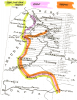
Attached is a working list of villages and towns along a deportation route July 1 - September 15 1915. Seeking information an all and any of these towns. Also interested to learn the names of villages not on the list but likely to be included.Deportation_Map_2_Final0001.pdf
-
Is there a list that correlates pre-WWI names of Armenian and/or Kurd Villages that have been renamed post WWI ? I am particularly interested in the names pre-WWI and post-WWI of villages between Malatia and Aidiaman and Aidiaman and Urfa. For example, what was previous name of the village of SINCIK, which is north of Kahta?